

Engine Coolant Temperature Sensor Guide for the 1991-1996 Buick Roadmaster
Solving check engine lights and poor performance starts with understanding this critical sensor on your Roadmaster.
- First, identify your engine: 1994-96 LT1 engines have two separate sensors for the computer and the gauge.
- A bad ECT sensor can cause overheating by preventing the cooling fans from turning on.
- For reliability, spending a little more on an ACDelco or Delphi brand sensor is highly recommended over budget parts.
- This is an easy and inexpensive DIY replacement that can solve many common engine problems.
Is It the Sensor or the Sender? A Critical Distinction
Before buying a part, you must know which engine your Roadmaster has. The sensor's location and function differ between early and late models.
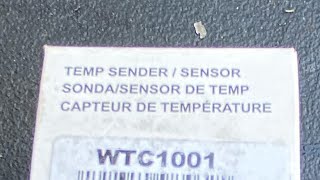
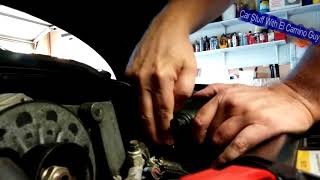
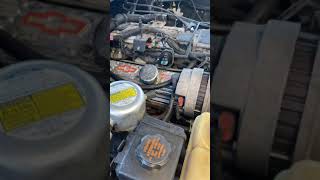
- 1994-1996 Roadmaster (LT1 V8 Engine): These models have two separate temperature sensors. The one that controls the engine is the Engine Coolant Temperature (ECT) Sensor, located on the front of the water pump housing, just below the thermostat. 🎬 Watch this walkthrough for replacing the LT1 coolant sensor. A second, different part called the Coolant Temperature Sender is located on the driver's side cylinder head, and its only job is to operate the temperature gauge on your dashboard. Ordering the wrong part is a very common mistake.
- 1991-1993 Roadmaster (L05 V8 Engine): These models typically use a single ECT sensor that provides information to both the computer and the gauge. It is usually found on the intake manifold, near the thermostat housing. Always verify the location on your specific vehicle before ordering.
Symptoms of a Failing ECT Sensor
When the ECT sensor fails, it usually sends a false signal to the computer that the engine is extremely cold. This can cause a variety of problems:
- Check Engine Light: This is the most common sign. You may see codes like P0115 or P0118.
- Poor Fuel Economy: The computer will inject too much fuel, thinking the engine is cold. This is called "running rich."
- Black Smoke from Exhaust: A very rich fuel mixture can result in black smoke coming from the tailpipe.
- Engine Overheating: If the sensor doesn't tell the computer the engine is hot, the electric cooling fans may not turn on when needed.
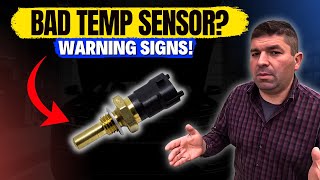
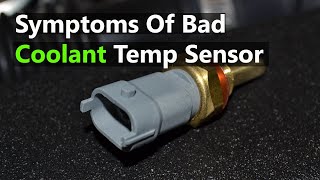
- Rough Idle or Stalling: The incorrect fuel mixture can make the engine run poorly, especially at idle. 🎬 See a breakdown of common failing ECT sensor symptoms.
- Hard Starts: The engine may be difficult to start, particularly when it's already warm.
Choosing the Right Aftermarket Part
For a critical sensor like this, quality matters. Cheaper sensors have a reputation for failing quickly, forcing you to do the job twice.
Brand Quality Tiers
| Tier | Brands | Assessment |
|---|---|---|
| Top Tier (OEM/Equivalent) | ACDelco, Delphi | ACDelco is the original GM parts brand and the recommended choice for fit and reliability. Delphi was a major GM parts manufacturer and is considered an OEM-quality equivalent. Spend the extra few dollars here for peace of mind. |
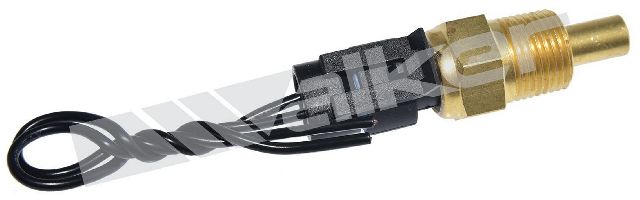
| Mid-Tier (Quality Aftermarket) | NGK, Standard Ignition (SMP), Walker Products, Holstein | These are reputable aftermarket brands that offer a good balance of price and quality. Some, like Standard Motor Products, may even include a new wiring connector, which is useful if yours is old or corroded. |
| Economy Tier | True Tech, Global Parts, various store brands | While these are the most affordable, they carry a higher risk of premature failure or inaccurate readings. They can work in a pinch, but for long-term reliability, a top-tier brand is a better investment. |
Pro Tip: Consider replacing the wiring pigtail connector at the same time as the sensor, especially if it looks brittle, cracked, or corroded. A bad connection can cause the same problems as a bad sensor.
Frequently Asked Questions
My temp gauge is acting weird, but I have no check engine light. What's wrong?
On a 1994-1996 LT1 Roadmaster, this almost always points to a problem with the separate temperature sender in the cylinder head, not the ECT sensor in the water pump. 🎬 Watch how to replace the gauge sender on the cylinder head. The sender for the gauge does not communicate with the engine computer, so it won't trigger a check engine light.
Can I replace this sensor myself?
Yes, this is a great DIY job for beginners. It is easily accessible on the front of the engine and requires basic hand tools. The main challenges are dealing with a small amount of coolant spillage and ensuring you don't overtighten the new sensor.
Will a bad ECT sensor stop my car from starting?
It can cause hard starting, but it's unlikely to cause a complete no-start condition. It will make the engine run very poorly, however.
Are there any recalls for the Roadmaster ECT sensor?
No, searches of the National Highway Traffic Safety Administration (NHTSA) database show no open recalls or common service bulletins for the engine coolant temperature sensor on the 1991-1996 Buick Roadmaster.
Helpful Videos
Technical Specifications
OEM Part Numbers: 213-4514 213-928 12146312 15326386
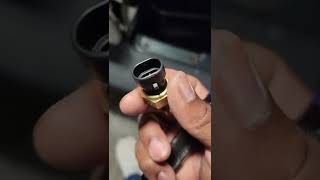
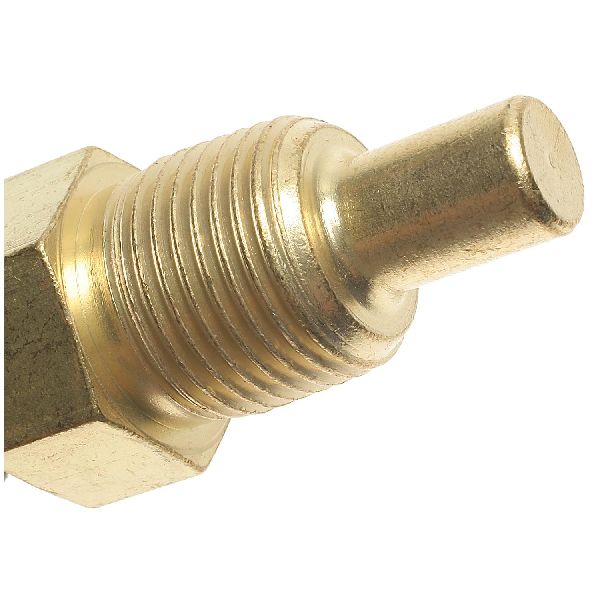
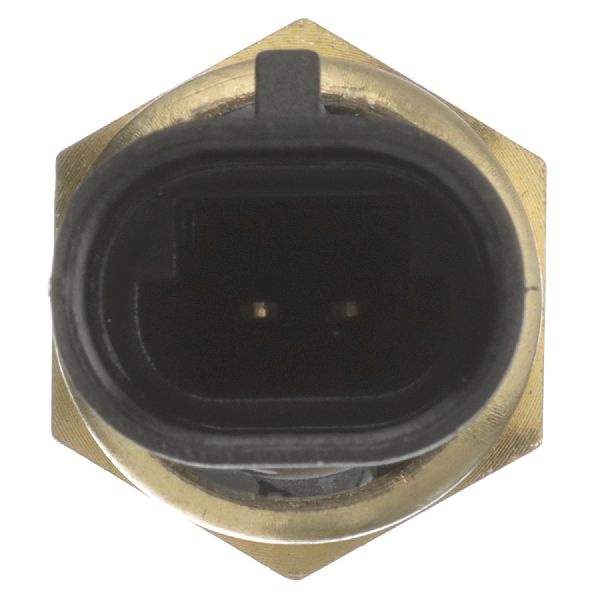
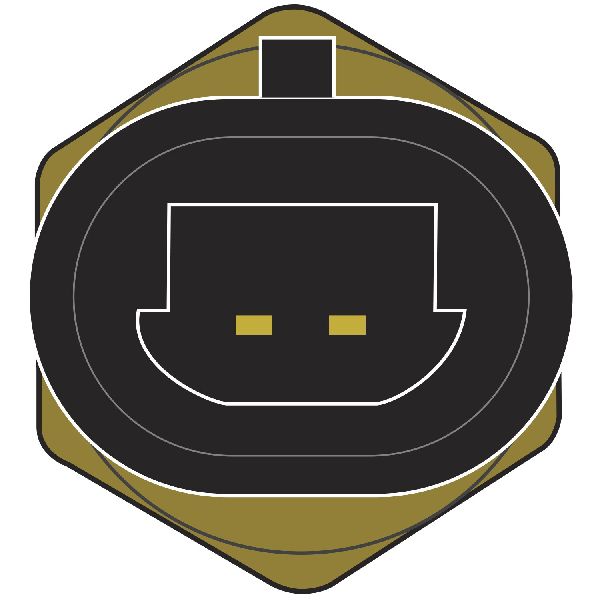
The ECT sensor is a thermistor, which means its electrical resistance changes with temperature. The PCM sends a 5-volt reference signal to the sensor and reads the return voltage to determine the coolant temperature. The sensor for the PCM has a two-wire connector.
We Have This Part in Stock


The information in this article is provided for general reference and educational purposes only. Vehicle specifications, procedures, and part compatibility can vary by production date, trim level, and region. Always consult your vehicle's factory service manual and verify part numbers before purchasing or performing repairs. Safety-critical components such as airbags, seat belts, and braking systems should be installed by a qualified professional.
- Buick Roadmaster: