

Buick Roadmaster Engine Intake Manifold Temperature Sensor Guide (1991-1996)
Diagnose and replace the intake air temperature sensor on your 1991-1996 Buick Roadmaster for better performance and fuel economy.
- A bad IAT sensor commonly causes a Check Engine Light, poor gas mileage, rough idle, and hesitation on a Buick Roadmaster.
- Replacement is a very simple, beginner-friendly DIY task that takes less than 15 minutes.
- For this part, a quality aftermarket brand like Standard Ignition is a cost-effective and reliable choice over more expensive or hard-to-find OEM parts.
- There are no known recalls or TSBs specifically for the IAT sensor on this vehicle.
Is a Bad Intake Air Temperature Sensor Affecting Your Roadmaster?
If your 1991-1996 Buick Roadmaster is running rough, getting poor gas mileage, or has a Check Engine Light on, a faulty Intake Air Temperature (IAT) sensor could be the culprit. This small sensor plays a big role in how your engine performs. When it fails, it sends incorrect information to the engine's computer, leading to a host of noticeable problems. Replacing it is a simple and affordable fix that can restore lost performance and efficiency.
Symptoms of a Failing IAT Sensor
A bad IAT sensor can make your car feel sick. Here are the most common signs of failure:
- Check Engine Light: This is often the first sign. The computer will log a trouble code, most commonly P0112 or P0113, indicating a problem with the sensor's circuit.
- Poor Fuel Economy: If the sensor tells the computer the air is colder than it is, the engine will use too much fuel, causing your gas mileage to drop.
- Rough Idle: The engine may idle unevenly or even stall because the air-fuel mixture is incorrect.
- Hard Starting: The wrong fuel mixture can make the engine difficult to start, especially in cold weather.
- Hesitation and Power Loss: Your Roadmaster might feel sluggish or hesitate during acceleration because the engine isn't getting the right amount of fuel for the power demand.
Known Issues, Recalls, and TSBs
Our research found no specific recalls or Technical Service Bulletins (TSBs) from the National Highway Traffic Safety Administration (NHTSA) for the Intake Air Temperature Sensor on the 1991-1996 Buick Roadmaster. While recalls exist for other components on these vehicles, the IAT sensor has not been subject to any official service campaigns.
Choosing the Right Aftermarket IAT Sensor
For a vehicle like the 1991-1996 Roadmaster, a quality aftermarket sensor is a smart and budget-friendly choice. The original ACDelco parts can be hard to find and expensive. Aftermarket brands offer reliable alternatives that meet or exceed original specifications.
When shopping, you'll likely encounter different brand tiers:
- Known Aftermarket Brands (e.g., Standard Ignition): Standard Ignition (also known as Standard Motor Products or SMP) is a well-regarded manufacturer that has been trusted by professional technicians for years. They produce high-quality replacement parts that are factory-tested to ensure proper fit and performance, making them a reliable choice.
- Value or Store Brands (e.g., True Tech): "True Tech" appears to be a brand name associated with repair shops or a private label parts line rather than a standalone manufacturer with a public track record. These parts are typically the most affordable option. While they can offer significant savings, their quality and longevity may not be as consistent as established brands like Standard Ignition. For a critical sensor, sticking with a known manufacturer is often the safer bet.
Cost to Replace a Buick Roadmaster IAT Sensor
Replacing the IAT sensor is one of the more affordable repairs you can perform. The part itself is inexpensive, and if you choose to do it yourself, the total cost is minimal. Even having a shop perform the work is budget-friendly due to the very short time it takes.
| Part or Service | Estimated Cost |
|---|---|
| New Aftermarket IAT Sensor | $19.54 - $42.24 |
| Shop Labor | $50 - $100 |
| Total DIY Cost | $19.54 - $42.24 |
| Total Shop Cost | $70 - $142 |
Frequently Asked Questions
Where is the IAT sensor located on my Roadmaster?
For 1994-1996 models with the LT1 V8, the sensor is a plug-in style located on the passenger side of the rubber intake duct, right before the throttle body. For 1991-1993 models, it's typically a screw-in type found on the air cleaner housing or the intake manifold itself.
Can I clean my old IAT sensor?
Sometimes, cleaning the sensor tip with a dedicated electronic parts cleaner can help if it's just dirty. However, these sensors usually fail internally due to age. Given the low cost of a new part, replacement is the most reliable and permanent solution.
Is this a difficult part to replace myself?
No, this is a very easy DIY job suitable for beginners. It typically requires no tools or just a simple wrench. The process involves disconnecting the electrical plug, then either unscrewing the old sensor or releasing a clip and pulling it out. The new one installs in the reverse order. The entire job usually takes less than 15 minutes.
What's the difference between an IAT and an ECT sensor?
The IAT (Intake Air Temperature) sensor measures the temperature of the air entering the engine. The ECT (Engine Coolant Temperature) sensor measures the temperature of the engine's coolant. Both are critical, but they monitor different things. A common issue on the 1996 Roadmaster involves ECT sensor codes (P0115, P0118), which are unrelated to the IAT sensor.
Technical Specifications
OEM Part Numbers: 12110319
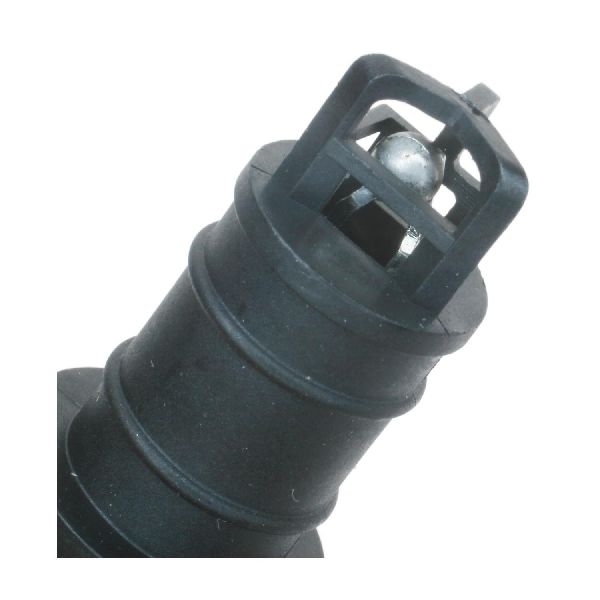
Typically a 2-terminal thermistor sensor. Can be a screw-in type (early models) or a plug-in/grommet style (later LT1 models).
We Have This Part in Stock


The information in this article is provided for general reference and educational purposes only. Vehicle specifications, procedures, and part compatibility can vary by production date, trim level, and region. Always consult your vehicle's factory service manual and verify part numbers before purchasing or performing repairs. Safety-critical components such as airbags, seat belts, and braking systems should be installed by a qualified professional.
- Buick Roadmaster: