

A Guide to Replacing Fuel Injectors on Your 1991-1996 Buick Roadmaster
Keep your classic Roadmaster running smoothly by understanding its fuel injectors.
- First, confirm if you have a 1991-93 TBI system or a 1994-96 MPFI (LT1) system, as the parts are completely different.
- Symptoms like hard starting when warm, rough idle, and a raw fuel smell often point to failing injectors.
- For LT1 engines, it is strongly recommended to replace all eight injectors at once for balanced performance.
- Using quality brands like ACDelco or Standard Ignition is advised over budget remanufactured options to avoid premature failure.
Know Your Roadmaster: Two Types of Fuel Injection
Before you buy a fuel injector for your 1991-1996 Buick Roadmaster, you must know which engine you have. The parts are very different and do not interchange.
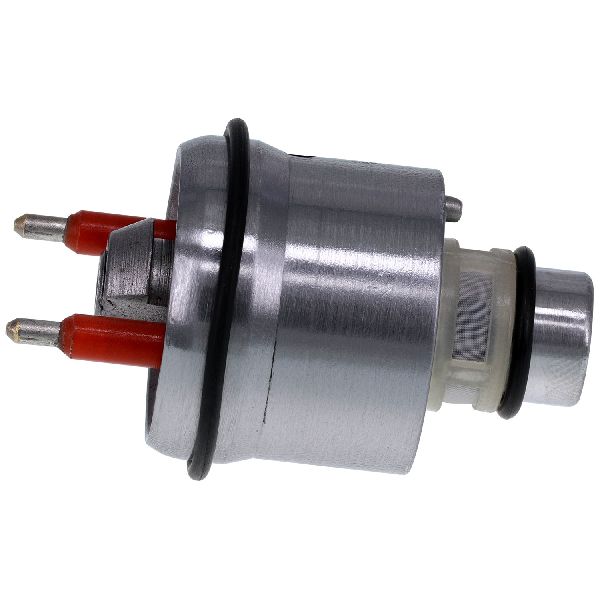
- 1991-1993 Models (TBI): These cars use a Throttle Body Injection (TBI) system. It has two fuel injectors located on top of the engine, under the round air cleaner. 🎬 Watch: How to rebuild your TBI fuel injection system. This system is simpler and the injectors are easier to access.
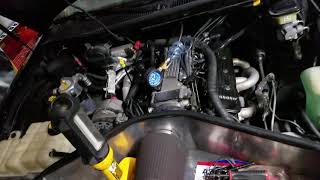
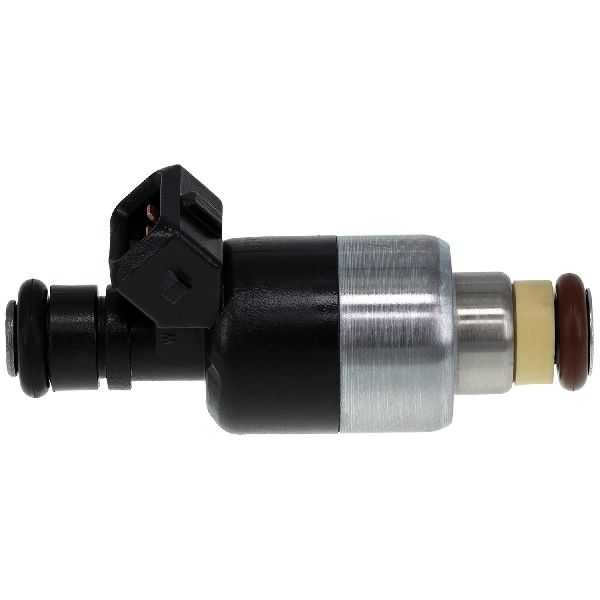
- 1994-1996 Models (LT1 V8 MPFI): These later models have the LT1 engine with Multi-Port Fuel Injection (MPFI). This system uses eight individual injectors, one for each cylinder. They are located under the intake manifold, making replacement a more involved job.
Common Symptoms of a Bad Fuel Injector
A failing fuel injector can cause a range of problems. You might notice more than one of these signs.
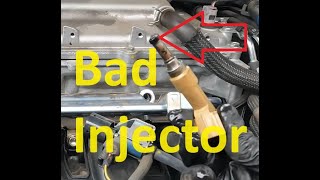
🎬 See how to test if a fuel injector has failed.- Rough Idle and Stalling: The engine may shake, run unevenly, or stall at stoplights.
- Engine Misfires: You may feel a hesitation or stumble when you accelerate. The Check Engine Light may come on with a misfire code (e.g., P0300, P0301).
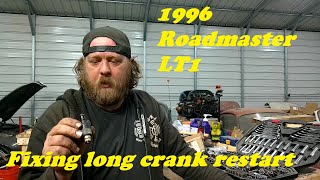
- Hard Starting: If an injector leaks fuel into the engine when the car is off, it can cause a long crank time, especially when the engine is warm.
- Poor Fuel Economy: A leaking or stuck-open injector wastes gas, so you'll fill up more often.
- Gasoline Smell: You might smell raw fuel under the hood or notice it in your engine oil. A fuel smell is a fire hazard and should be addressed immediately.
Ethanol and Older Injectors
The original fuel injectors in many LT1 engines were not designed for the high ethanol content in modern gasoline. Over time, ethanol can damage the internal components and O-rings, leading to leaks and failure. When replacing injectors, choosing a modern, ethanol-compatible part is a smart upgrade.
Choosing the Right Aftermarket Fuel Injector
When shopping for new aftermarket injectors, you'll find different brands at different price points. Quality matters, as a failed injector can leave you stranded or even damage your engine.
- Premium (ACDelco): As the original equipment manufacturer for GM, ACDelco is a trusted choice for fit and reliability. They are considered a top-tier option and are often recommended by mechanics for a trouble-free repair.
- Mid-Grade (Standard Ignition): Standard Motor Products (SMP) is a well-known aftermarket brand that offers a good balance of quality and price. They are a reliable alternative to OEM parts.
- Budget (GBR Fuel Injection): GBR offers remanufactured injectors at a lower price. However, owner reviews are mixed. Some have reported receiving injectors that were faulty out of the box or failed soon after, often by sticking open and flooding the engine with fuel. While some users have had no issues, there appears to be a higher risk compared to premium brands.
Replace as a Set
For the 1994-1996 LT1 engine, it is highly recommended to replace all eight fuel injectors at the same time. This ensures each cylinder gets the same amount of fuel, leading to a balanced, smooth-running engine. For 1991-1993 TBI models, replacing both injectors together is also good practice.
Typical Replacement Costs
The cost to replace fuel injectors depends on your vehicle's year and who does the work. The 1994-1996 LT1 models are more labor-intensive.
| Item | 1991-1993 (TBI) | 1994-1996 (MPFI) |
|---|---|---|
| Aftermarket Parts (Set) | $100 - $250 | $200 - $500+ |
| Shop Labor | $100 - $200 | $250 - $450+ |
| Estimated Total | $200 - $450 | $450 - $950+ |
Note: These are estimates. Prices vary by location and parts brand. The total cost for a 1994-1996 model can be higher due to the complexity of the job.
Frequently Asked Questions
Were there any recalls for the Roadmaster fuel injectors?
No, searches of the National Highway Traffic Safety Administration (NHTSA) database did not find any fuel injector-specific recalls for the 1991-1996 Buick Roadmaster.
Can I replace just one bad injector on my LT1?
While you can, it is not recommended. The other original injectors are likely near the end of their service life. Replacing all eight at once ensures balanced engine performance and prevents you from having to do the same labor-intensive job again in the near future.
Is this a difficult DIY job?
For 1991-1993 TBI models, the replacement is relatively straightforward for a DIY mechanic. For 1994-1996 LT1 models, the job is more complex as it requires removing the fuel rail under the intake manifold. 🎬 Watch this step-by-step LT1 fuel injector replacement walkthrough. It is manageable for an experienced DIYer but can be challenging for a beginner.
Do I need any special tools?
For the LT1, you may need a fuel line disconnect tool to safely separate the fuel lines from the rail. Otherwise, standard mechanic's hand tools are usually sufficient. Always remember to relieve the fuel system pressure before starting work to prevent fuel from spraying, which is a serious fire hazard.
Helpful Videos

Technical Specifications
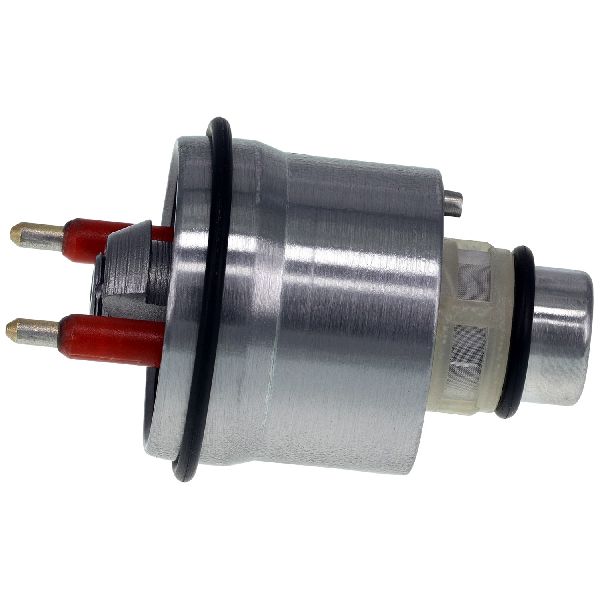
OEM Part Numbers: 17091059 17095004 17121068 19244617
Fuel System Type: Throttle Body Injection (TBI) for 1991-1993 5.0L/5.7L engines; Multi-Port Fuel Injection (MPFI) for 1994-1996 5.7L LT1 engine.
We Have This Part in Stock


The information in this article is provided for general reference and educational purposes only. Vehicle specifications, procedures, and part compatibility can vary by production date, trim level, and region. Always consult your vehicle's factory service manual and verify part numbers before purchasing or performing repairs. Safety-critical components such as airbags, seat belts, and braking systems should be installed by a qualified professional.
- Buick Roadmaster: