

Chevrolet G30 Van Transmission Mount Guide (1991-1996)
Stop the clunking and vibrations in your G30 van by understanding and choosing the right transmission mount.
- Symptoms of a bad mount include clunking noises, heavy vibration, and lurching on acceleration.
- Standard rubber mounts (Anchor, DEA, Pioneer) are cheap but may have inconsistent quality; Prothane polyurethane mounts are durable but increase vibration.
- Replacement is a manageable DIY job for a rear-wheel-drive van like the G30, taking about 1-2 hours.
- No specific recalls or TSBs exist for the transmission mount on this vehicle; failures are due to age and wear.
Signs of a Failing Transmission Mount
When the transmission mount wears out, the rubber cracks or separates, and it can no longer do its job. You will likely notice one or more of these symptoms in your G30 van.
- Clunking or Banging Noises: The most common sign is a loud clunk or bang when you shift from park into drive or reverse. You might also hear it during hard acceleration or braking as the transmission shifts around.
- Excessive Vibrations: A worn mount can't absorb vibrations, so you'll feel them in the floor and seat. This shaking might be worse when idling or accelerating.
- Drivetrain Movement: You may feel the engine and transmission lurch or move when you step on the gas. In some cases, you can see the engine move more than it should if someone shifts the vehicle into gear while you watch (from a safe position).
- Shifting Problems: A bad mount can cause the transmission to sit at the wrong angle, which may lead to difficulty shifting gears or a stiff-feeling shifter.
Is it Safe to Drive?
You can drive with a failing transmission mount, but it's not recommended for long. The excessive movement puts stress on other parts like engine mounts, driveshaft joints, hoses, and exhaust components. In a worst-case scenario, a completely failed mount could lead to significant drivetrain damage.
Choosing the Right Aftermarket Mount
For the 1991-1996 G30, original OEM mounts are likely discontinued or hard to find. The aftermarket offers several options that fall into different quality and performance tiers.
Standard Rubber Mounts (Good & Better)
These are designed to be direct replacements for the original factory mount, focusing on ride comfort and quiet operation. They are the most affordable option.
- Economy (Anchor, DEA, Westar): These brands are widely available and very affordable. However, forum discussions suggest their quality can be inconsistent. They are often considered a budget fix. Some users have noted issues with fitment or premature failure compared to OEM. They will get the job done but may not last as long as higher-quality options.
- Standard (Pioneer): Brands like Pioneer are often seen as a step up from the economy tier. Forum users have mentioned they are a good alternative to OEM, with better fit and finish. If you want a good balance of price and quality for daily driving, this is a solid choice.
Polyurethane Mounts (Performance)
Polyurethane is a much stronger and more durable material than rubber. It offers a significant performance upgrade but comes with a trade-off.
- Performance (Prothane): Prothane specializes in polyurethane mounts that are nearly indestructible and resistant to oil and chemicals. They provide a much firmer connection, which improves throttle response by sending more power to the wheels. The downside is that polyurethane does not absorb vibration as well as rubber. You will feel more engine and road vibration in the cabin. This is a great choice for heavy-duty use or performance-oriented vans, but not for those who want the quietest, smoothest ride.
| Brand Tier | Brands | Material | Pros | Cons |
|---|---|---|---|---|
| Economy | Anchor, DEA, Westar | Rubber | Very low price | Inconsistent quality, may not last long |
| Standard | Pioneer | Rubber | Good balance of quality and price | May not be as durable as performance options |
| Performance | Prothane | Polyurethane | Extremely durable, improved throttle response | Increased cabin vibration and noise |
Known Issues, Recalls, or TSBs
Searches of the National Highway Traffic Safety Administration (NHTSA) database and other technical resources did not find any specific recalls or Technical Service Bulletins (TSBs) for the automatic transmission mount on the 1991-1996 Chevrolet G30. Any failures are typically due to age, mileage, and wear.
Pro Tip: Replace Your Engine Mounts Too
The transmission mount works together with the engine mounts to support the entire drivetrain. If your transmission mount has failed, your engine mounts are likely the same age and condition. Replacing them all at the same time is a good idea to ensure the entire system is stable and to prevent the new mount from failing prematurely due to stress from worn engine mounts.
Frequently Asked Questions
Can I replace the G30 transmission mount myself?
Yes, this is a feasible DIY job for someone with mechanical experience. The process involves safely supporting the vehicle on jack stands, using a floor jack and a block of wood to support the transmission, unbolting the mount from the crossmember and transmission, and then installing the new part. It typically requires basic hand tools and about one to two hours.
How long should a new transmission mount last?
A standard quality rubber mount should last between 60,000 and 100,000 miles, depending on driving conditions. Polyurethane mounts are designed to last much longer, often for the remaining life of the vehicle.
What is the difference between a rubber and polyurethane mount?
Rubber mounts provide a soft, quiet ride by absorbing vibrations effectively. Polyurethane mounts are much stiffer, which enhances durability and performance by reducing drivetrain movement, but this results in more noticeable vibration inside the van.
Do I need a special tool to replace the transmission mount?
No special tools are required, but you will need a good socket set, wrenches, a floor jack, and sturdy jack stands. Using penetrating fluid on the old bolts before you start can make removal much easier.
Technical Specifications
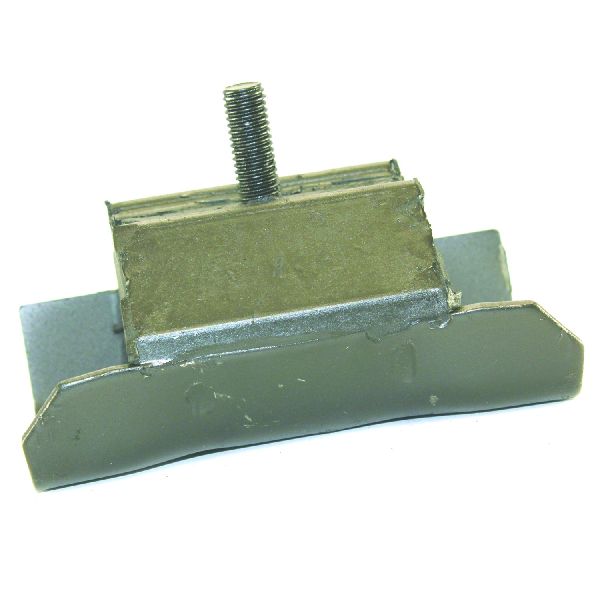
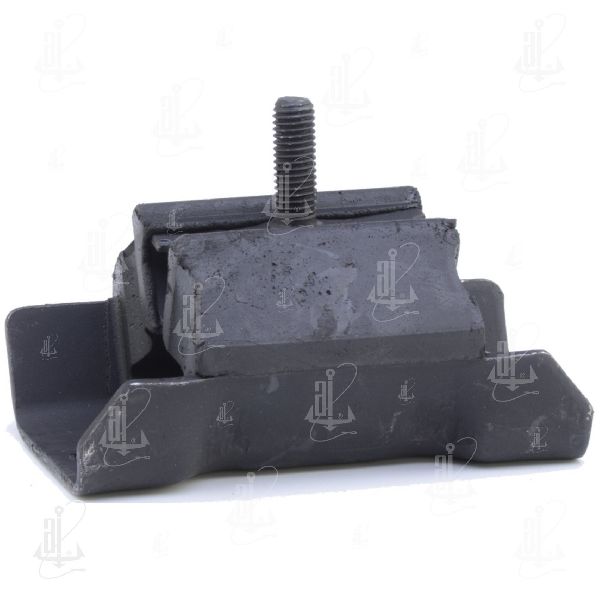
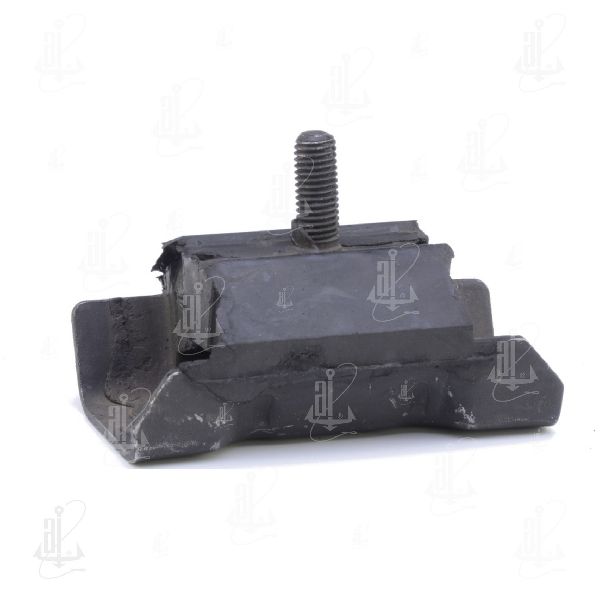
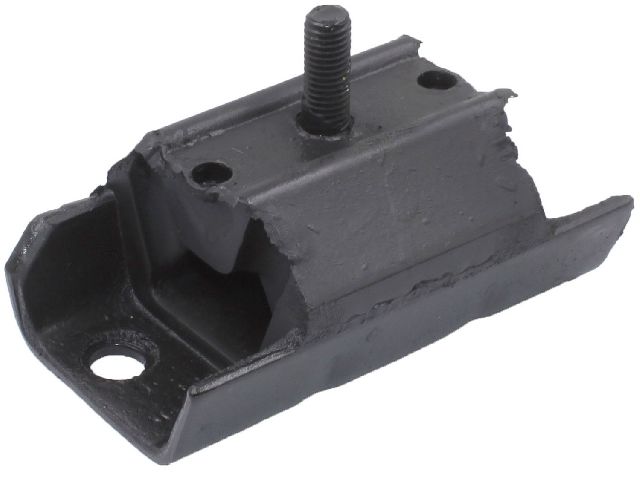
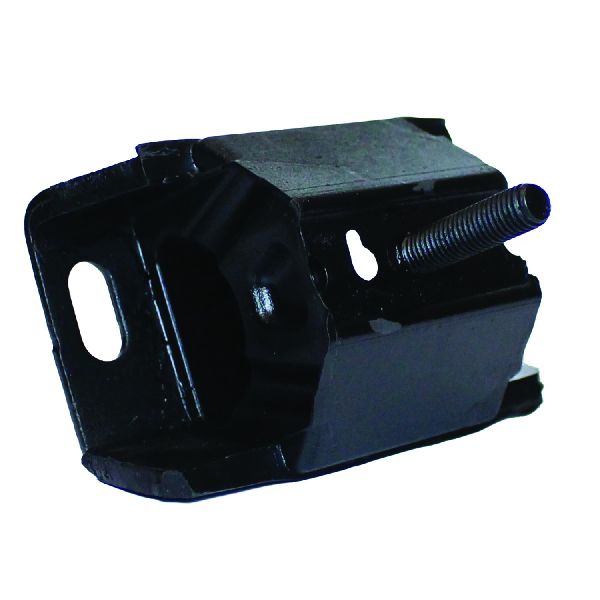
The 1991-1996 Chevrolet G30 uses a single rear transmission mount located on a crossmember under the vehicle. It is a non-hydraulic mount, available in standard rubber for ride comfort or polyurethane for enhanced durability and performance.
We Have This Part in Stock


The information in this article is provided for general reference and educational purposes only. Vehicle specifications, procedures, and part compatibility can vary by production date, trim level, and region. Always consult your vehicle's factory service manual and verify part numbers before purchasing or performing repairs. Safety-critical components such as airbags, seat belts, and braking systems should be installed by a qualified professional.
- Chevrolet G30: