

A Guide to Replacement Brake Pads for the 1991-1996 Dodge Stealth
Choosing the correct brake pads is critical, as stopping power differs greatly between Stealth submodels.
- You MUST verify your Stealth's submodel (FWD vs. AWD Twin Turbo) before ordering, as the brake systems are different.
- For daily driving, quality ceramic pads offer the best balance of quiet performance and low dust.
- For performance, especially on R/T Turbo models, brands like EBC and Powerstop are highly recommended by owners.
- Check if your 1991-1994 vehicle has had the front brake hose recall (NHTSA 96V-143) performed for safety.
Symptoms of Worn Brake Pads
Your Stealth will give you clear signs when it's time for new brake pads. Ignoring them can lead to more expensive repairs, like needing to replace brake rotors and calipers.
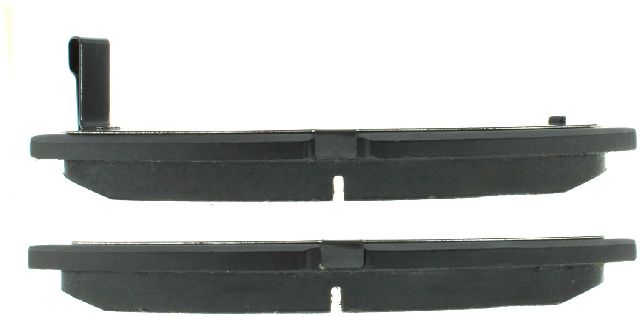
- Squealing or Screeching: Most brake pads have a small metal tab called a wear indicator. When the pad material wears down, this tab contacts the rotor and makes a high-pitched noise, telling you it's time for a replacement.
- Grinding Noise: If you hear a deep, metallic grinding or growling, stop driving immediately. This means the pad material is completely gone, and the metal backing plate is grinding against the rotor. This is a critical safety issue.
- Increased Stopping Distance: If you notice your car takes longer to stop than it used to, your pads are likely worn out and can't create enough friction.
- Brake Pedal Pulsation: A pulsing or vibrating feeling in the brake pedal when you slow down is often caused by unevenly worn rotors (a condition called Disc Thickness Variation), which can be a result of driving on worn-out pads.
- Brake Warning Light: If the brake warning light on your dashboard illuminates, it could indicate low fluid from a leak or a problem with the braking system that needs immediate attention.
Vehicle Submodel is Critical
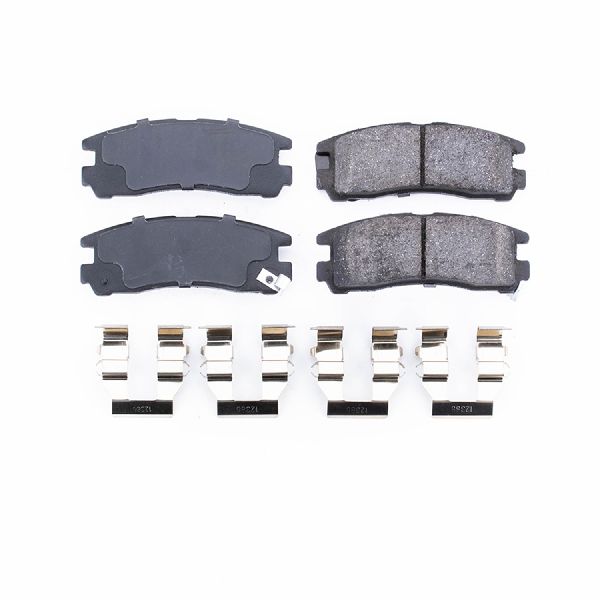
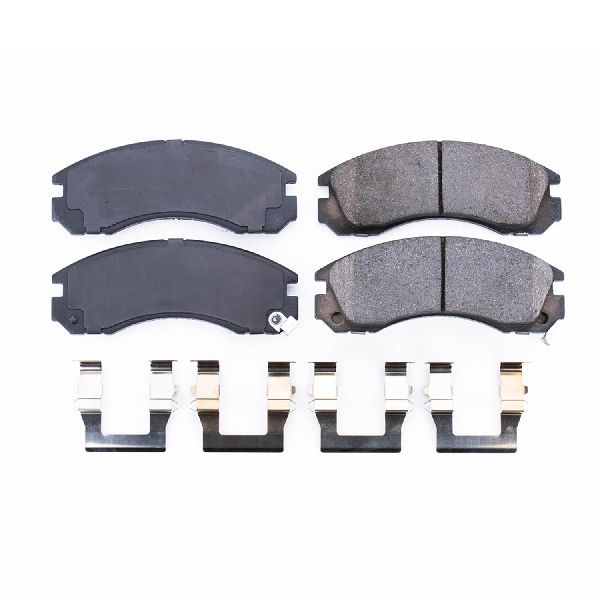
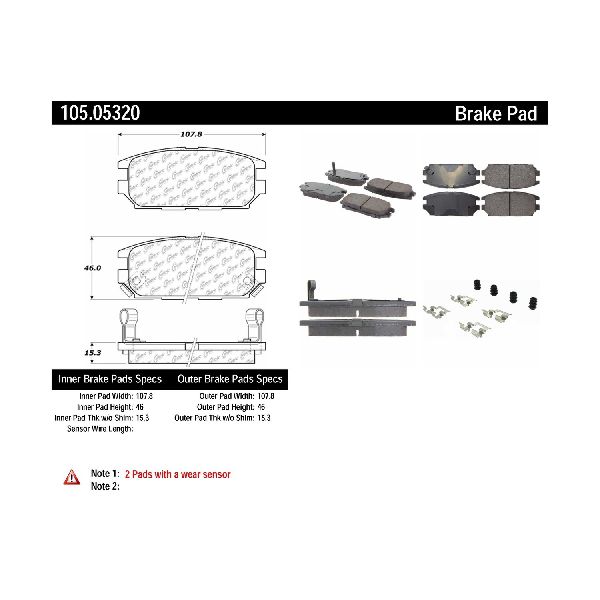
Before ordering parts, you must confirm your Dodge Stealth's submodel. The Base, ES, and R/T models are front-wheel drive (FWD) and use one size of brake pads. The R/T Twin Turbo is all-wheel drive (AWD) and has larger, more powerful brakes that require a different, larger set of pads. Parts are not interchangeable.
Choosing the Right Aftermarket Brake Pads
Original factory pads for the Stealth were often a non-asbestos organic (NAO) material. Aftermarket pads offer a wide range of materials and performance characteristics, often exceeding original quality. Your choice depends on your submodel and how you drive.
Tier 1: Daily Driver & Economy
Best for: Base, ES, and R/T models used for commuting and everyday driving.
These pads prioritize quiet operation, low dust, and long life. They offer reliable, safe stopping for normal use. Look for ceramic formulations from trusted brands.
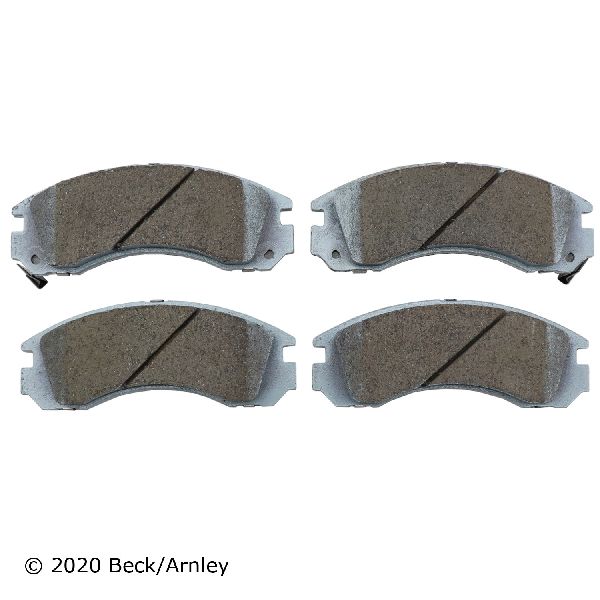
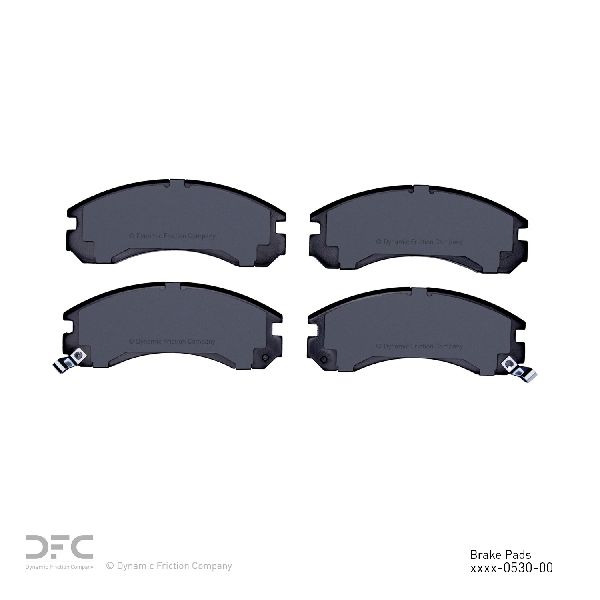
- Brands: Wagner, Raybestos, Centric, Pronto, Dynamic Friction, Beck Arnley
- Pad Type: Ceramic or NAO (Non-Asbestos Organic)
- Pros: Quiet, low wheel dust, affordable.
Tier 2: Performance Street
Best for: All models, including R/T Twin Turbo, for spirited street driving.
This is the sweet spot for most Stealth owners. These pads offer a significant bite improvement over stock without the harshness or noise of a full race pad. They are a great upgrade for any model and a must for the R/T Twin Turbo.
- Brands: Powerstop (Z23/Z26 kits), EBC Redstuff, Akebono, Brembo, Bosch
- Pad Type: Carbon-Fiber Ceramic or Performance Ceramic
- Pros: Increased stopping power, good heat management, manageable dust levels.
Tier 3: High Performance / Autocross
Best for: Modified R/T Twin Turbo models used for aggressive driving or occasional track days.
These pads offer the highest friction levels and resistance to brake fade at high temperatures. The trade-off is often more noise and significant brake dust.
- Brands: EBC Yellowstuff, Hawk Performance
- Pad Type: High-Performance Semi-Metallic
- Pros: Maximum stopping power, fade resistant.
- Cons: Can be noisy and produce a lot of dust.
Known Issues, Recalls, and Service Bulletins
NHTSA Recall 96V-143: Affects 1991-1994 models. The front brake hoses may crack and leak fluid, leading to a loss of braking power. This is a critical safety recall. Owners should contact a Dodge dealership to see if the repair was performed.
TSB 050996: A technical service bulletin was issued for brake noise, which could be caused by metal-to-metal contact. The fix involved installing new Non-Asbestos Organic (NAO) brake pads. If you experience noise with older pads, upgrading to a quality modern ceramic or NAO pad is the solution.
| Pad Tier | Price Range |
|---|---|
| Daily Driver / Economy | $21 - $55 |
| Performance Street | $55 - $130 |
| High Performance / Autocross | $130 - $184 |
Pro Tip: Consider a Kit
For a complete brake job, consider a kit that includes both new pads and new rotors. Brands like PowerStop and Centric offer matched kits that ensure compatibility and can save money compared to buying parts separately. If your rotors are worn, grooved, or pulsating, they must be replaced.
Frequently Asked Questions
Do I need different brake pads for my R/T Twin Turbo?
Yes, absolutely. The R/T Twin Turbo (AWD) has larger calipers and rotors than the FWD Base, ES, and R/T models. You must purchase pads that are specifically listed for the R/T Twin Turbo or 3000GT VR-4. Using pads for a non-turbo model will not work and is unsafe.
Are ceramic or semi-metallic pads better for my Stealth?
It depends on your needs. For most drivers, especially of non-turbo models, ceramic pads are the best choice. They are quiet, produce very little dust, and are gentle on rotors. For R/T Turbo owners who prioritize performance, a performance ceramic or semi-metallic pad (like EBC Yellowstuff) will provide a stronger bite and better fade resistance, at the cost of more dust and potential noise.
Do I have to replace my rotors at the same time as my pads?
It is highly recommended. Installing new pads on old, worn, or grooved rotors will cause the new pads to wear out quickly and unevenly. It can also lead to noise and vibration. For best performance and safety, always install new pads and rotors together.
What is brake pad break-in or 'bedding-in'?
Bedding-in is the process of transferring a thin, even layer of friction material from the new pads onto the new rotors. This is crucial for optimal performance, reduced noise, and smooth braking. The process typically involves a series of controlled stops from moderate speeds, allowing the brakes to heat up and cool down properly. Always follow the specific break-in procedure provided by the pad manufacturer.
Technical Specifications
OEM Part Numbers: MB895091
Brake systems vary by submodel. Front-wheel-drive models (Base, ES, R/T) use smaller single or dual-piston sliding calipers. All-wheel-drive models (R/T Twin Turbo) use larger four-piston fixed calipers. Part numbers are not interchangeable.
We Have This Part in Stock

The information in this article is provided for general reference and educational purposes only. Vehicle specifications, procedures, and part compatibility can vary by production date, trim level, and region. Always consult your vehicle's factory service manual and verify part numbers before purchasing or performing repairs. Safety-critical components such as airbags, seat belts, and braking systems should be installed by a qualified professional.
- Dodge Stealth:
- 🛍️ Shop This Part
- Symptoms of Worn Brake Pads
- Vehicle Submodel is Critical
- Choosing the Right Aftermarket Brake Pads
- Tier 1: Daily Driver & Economy
- Tier 2: Performance Street
- Tier 3: High Performance / Autocross
- Known Issues, Recalls, and Service Bulletins
- Pro Tip: Consider a Kit
- Frequently Asked Questions
- 🎟️ Get 5% Off