

Dodge Stealth Engine Coolant Temperature Sensor Guide (1991-1996)
Fix poor running, bad mileage, and overheating by understanding the right coolant sensor for your Stealth's ECU.
- You must replace the correct two-wire sensor for the ECU, not the one-wire sender for the dashboard gauge.
- A bad sensor typically causes a rich fuel mixture, leading to poor gas mileage, black smoke, and a Check Engine Light (P0115, P0117, P0118).
- Choosing a quality aftermarket brand like NGK/NTK or Delphi is a reliable and cost-effective alternative to expensive OEM parts.
- Replacement is a simple DIY task that can be completed in under an hour with basic hand tools.
The Most Common Mistake: ECU Sensor vs. Gauge Sender
Your 1991-1996 Dodge Stealth has at least two separate coolant temperature sensors located together on the thermostat housing. It is critical to replace the correct one.
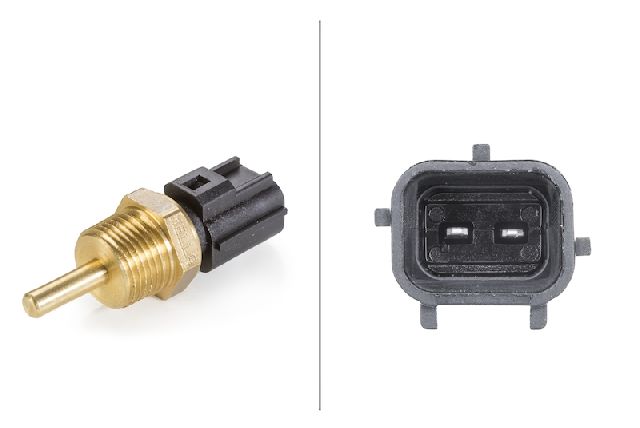
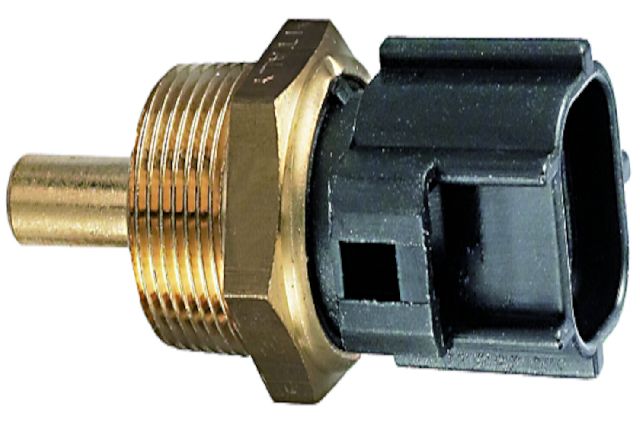
- Engine Coolant Temperature (ECT) Sensor: This has a two-wire connector and sends information to the engine's computer (ECU). A failure here affects engine performance and triggers a Check Engine Light. This is the part this guide covers.
- Temperature Gauge Sender: This has a single-wire connector and only operates the temperature gauge on your instrument cluster. A failure here will cause your gauge to read incorrectly or not at all, but it will not affect how the engine runs.
- A/C Switch (1991-1993 only): Early models have a third switch in the same location for the air conditioning system.
Symptoms of a Failing ECT Sensor
When the ECT sensor fails, it sends incorrect data to the ECU. The computer may think the engine is permanently cold or hot, leading to a variety of problems. Common symptoms include:
- Check Engine Light: This is often the first sign. Common trouble codes include P0115, P0117 (low input), and P0118 (high input).
- Poor Fuel Economy: If the ECU thinks the engine is always cold, it will continuously run a rich fuel mixture, wasting gas.
- Black Smoke from Exhaust: A rich fuel mixture can result in unburnt fuel exiting the tailpipe as black smoke.
- Engine Overheating: If the sensor fails to tell the ECU the engine is hot, the cooling fans may not turn on when needed.
- Cooling Fans Run Constantly: The sensor might fail in a way that tells the ECU the engine is always overheating, causing the fans to run non-stop and potentially drain your battery.
- Rough Idle and Hesitation: Incorrect fuel and timing adjustments can make the engine run poorly, especially at idle.
- Hard Starting: The ECU relies on an accurate temperature reading to provide the right fuel mixture for both cold and hot starts.
Choosing the Right Aftermarket Sensor
While a genuine Mitsubishi OEM sensor is an option, they can be expensive or hard to find for a vehicle of this age. High-quality aftermarket brands offer a reliable and affordable alternative. For a critical sensor like this, it's best to stick with reputable manufacturers.
| Brand Tier | Brands | General Assessment |
|---|---|---|
| Tier 1: High-Quality Aftermarket | NGK (NTK), Delphi | These brands have a strong reputation for producing sensors that meet or exceed OEM specifications. They are known for their reliability and accurate readings, making them a safe choice. |
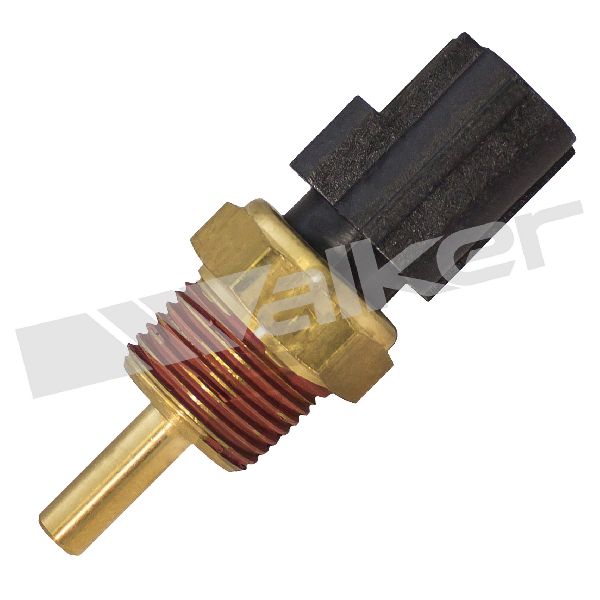
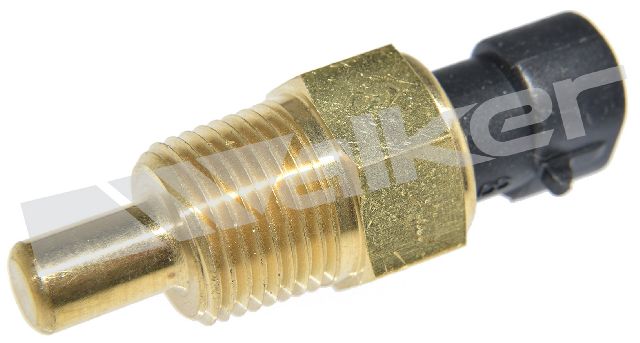
| Tier 2: Standard Aftermarket | Standard Ignition (SMP), Four Seasons, Walker Products, Hella | These are established brands that offer a good balance of quality and price. They are generally considered reliable for daily use. |
| Tier 3: Economy | Calorstat, Facet, Global Parts, Vemo, Holstein, Motorad | These brands are typically the most budget-friendly. While they may function correctly, their long-term durability and accuracy can be inconsistent compared to higher-tier options. |
Frequently Asked Questions
Where is the engine coolant temperature sensor located on the Dodge Stealth?
The ECT sensor is located on the thermostat housing, which is near the top of the engine. You will need to remove the main intake pipe that runs over the engine to get access to it. You will see two or three sensors clustered together; the ECT sensor for the ECU is the one with the two-wire electrical connector.
Can I replace the ECT sensor myself?
Yes, this is a DIY-friendly job for someone with basic tools. The process involves draining a small amount of coolant, removing the intake pipe for access, unplugging the old sensor, and screwing in the new one. Be prepared for some coolant to spill when you remove the old sensor. The entire job typically takes less than an hour.
What happens if I don't replace a bad ECT sensor?
Ignoring a faulty ECT sensor will lead to persistent problems. You will experience poor fuel mileage, rough running, and failed emissions tests. The most serious risk is engine overheating if the sensor fails to trigger the cooling fans, which can lead to severe engine damage.
Are there any recalls for the Dodge Stealth coolant temperature sensor?
No, there are no official recalls or Technical Service Bulletins (TSBs) from Dodge or the NHTSA specifically related to the engine coolant temperature sensor for the 1991-1996 Dodge Stealth.
Technical Specifications
OEM Part Numbers: MD091056 MB660664 MB660663
Connector Type: 2-Pin, for ECU. Location: Thermostat Housing.
We Have This Part in Stock



The information in this article is provided for general reference and educational purposes only. Vehicle specifications, procedures, and part compatibility can vary by production date, trim level, and region. Always consult your vehicle's factory service manual and verify part numbers before purchasing or performing repairs. Safety-critical components such as airbags, seat belts, and braking systems should be installed by a qualified professional.
- Dodge Stealth: