

Dodge Stealth Engine Coolant Thermostat Guide (1991-1996)
Everything Dodge Stealth owners need to know about choosing the right replacement engine coolant thermostat.
- The replacement job is easy on SOHC engines but very difficult on DOHC engines, which drastically affects labor costs.
- Genuine Mitsubishi (OEM) thermostats are strongly recommended by owners for their reliability and performance.
- A thermostat stuck open is the most common failure and will likely cause a P0128 check engine code.
- For stock vehicles, use the factory temperature rating (typically 180°F/82°C) to ensure proper engine operation and avoid issues.
Symptoms of a Failing Thermostat
A thermostat can fail in two ways: stuck open or stuck closed. Each has distinct symptoms.
Stuck Open (More Common):
- Engine Takes Forever to Warm Up: The temperature gauge on your dash may stay on cold or take a very long time to reach the middle.
- Poor Heater Performance: Since the engine isn't getting hot enough, the air blowing from your heater will be lukewarm at best.
- Check Engine Light: A thermostat that is stuck open will almost always trigger a Check Engine Light with the code P0128 (Coolant Temperature Below Thermostat Regulating Temperature).
- Decreased Fuel Economy: An engine running too cool is inefficient and will use more fuel.
Stuck Closed (Less Common, More Dangerous):
- Rapid Overheating: The temperature gauge will quickly shoot into the red zone, often within minutes of starting the car. This is a critical situation.
- Coolant Boiling or Leaking: You may see steam from under the hood or find coolant leaking from the overflow tank or other pressure points in the system.
- Upper Radiator Hose is Cold: If the engine is overheating but the large hose going to the top of the radiator feels cool, it's a strong sign that hot coolant is not circulating because the thermostat is stuck shut.
DOHC vs. SOHC Engine: A Critical Difference
The single most important factor in replacing your Stealth's thermostat is which engine you have. The job is drastically different between the two.
- SOHC (Base models): The thermostat is located in a housing at the end of the upper radiator hose, making it a simple and quick job.
- DOHC (ES, R/T, and R/T Turbo models): The thermostat is located underneath the intake plenum and throttle body. This is a much more difficult and time-consuming job that requires significant disassembly of the top part of the engine. Many owners replace it during other major services, like a timing belt change.
Choosing the Right Aftermarket Thermostat
While many aftermarket brands are available, quality can vary significantly. For the Dodge Stealth and its Mitsubishi 3000GT counterpart, enthusiast communities strongly favor using a genuine OEM part for reliability.
Brand Quality Tiers
Tier 1: Genuine Mitsubishi (OEM)
This is the most recommended option. OEM thermostats are known for their precise temperature control and long-term reliability. While they cost more, they prevent issues like temperature fluctuations and premature failure that are common with some aftermarket brands. The correct part number for most DOHC models is 1305A603.
Tier 2: Reputable Aftermarket (Gates, Beck Arnley, Calorstat)
Brands like Gates and Beck Arnley have a long history of making quality cooling system components. Calorstat is also mentioned positively in owner forums. These are generally considered reliable alternatives to OEM, but it's always wise to inspect the part out of the box to ensure it looks well-made.
Tier 3: Performance (Mishimoto)
Mishimoto often offers lower-temperature thermostats (e.g., 170°F). These can be beneficial for highly modified, turbocharged cars to help prevent engine knock, but they have downsides for a daily driver. The engine may run too cool, hurting fuel efficiency and potentially triggering a P0128 check engine light because the ECU doesn't see the expected temperature.
Tier 4: Budget / Use With Caution (Motorad)
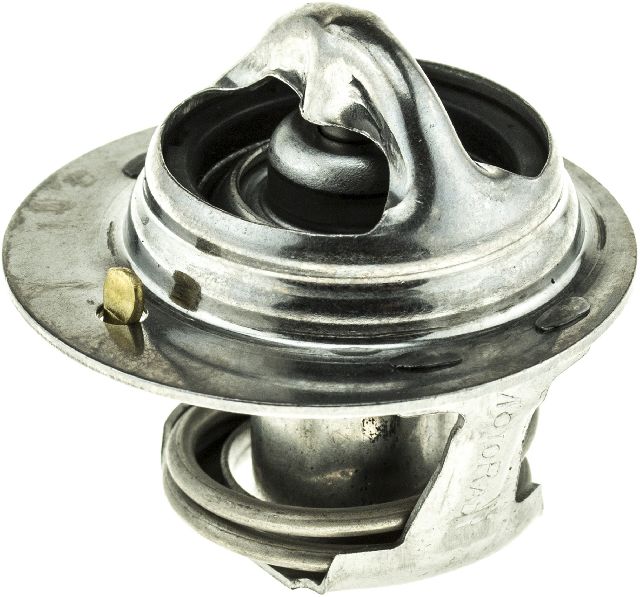
Motorad is a very common aftermarket brand, and they even manufacture parts for other labels, including Stant. However, owner reviews are extremely mixed. Many report issues with these thermostats failing quickly, not opening at the correct temperature, or causing wide temperature swings. While budget-friendly, using this brand can be a gamble.
| Part Type | Estimated Cost |
|---|---|
| New OEM (Mitsubishi) | $30 - $50 |
| New Aftermarket | $9.85 - $68.95 |
| Shop Labor | $75 - $350+ |
Note: The shop labor cost varies dramatically based on whether you have a SOHC engine (easy access) or a DOHC engine (difficult access). The DOHC job can take several hours.
Frequently Asked Questions (FAQ)
What temperature thermostat should I get?
For a stock or lightly modified Dodge Stealth, stick with the OEM-spec temperature, which is typically 180°F (82°C). Using a lower temperature thermostat is generally only recommended for heavily modified, high-horsepower turbo applications and may cause issues on a street-driven car.
Is replacing the thermostat a DIY job?
It depends entirely on your engine. For the SOHC engine, yes, it is a very feasible DIY job for a beginner. For the DOHC engine, it is a difficult job recommended only for experienced DIY mechanics due to the need to remove the intake plenum.
Should I use a genuine OEM Mitsubishi thermostat?
Yes, it is highly recommended. The consistent quality and reliability of the OEM part are worth the extra cost, especially on a DOHC engine where the labor to replace it is so intensive. Many owners who try cheaper aftermarket parts report problems and end up redoing the job with an OEM unit.
What other parts should I replace at the same time?
Always replace the thermostat gasket or o-ring. It's also a good time to inspect your radiator hoses for cracks or swelling. If you have a DOHC engine, it is highly recommended to replace the thermostat whenever you are doing a major service that requires removing the intake plenum, such as a 60k/120k service (timing belt, water pump).
Technical Specifications
OEM Part Numbers: 1305A603 MD194988
Standard Opening Temperature: 180°F (82°C)
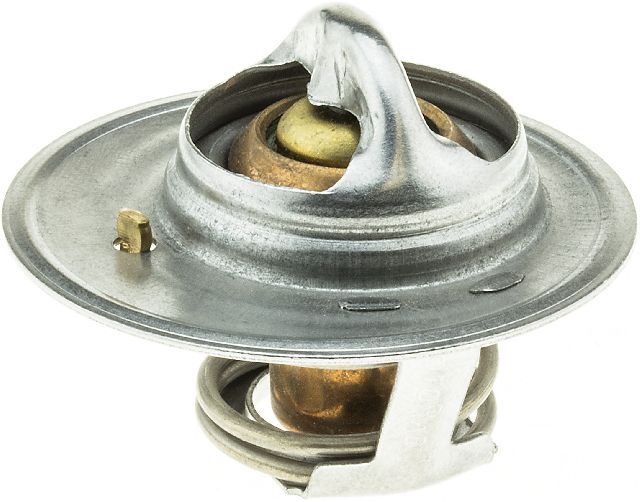
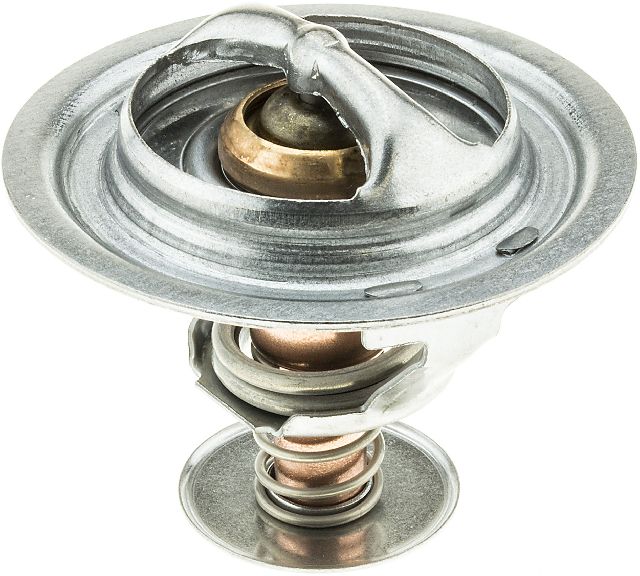
We Have This Part in Stock


The information in this article is provided for general reference and educational purposes only. Vehicle specifications, procedures, and part compatibility can vary by production date, trim level, and region. Always consult your vehicle's factory service manual and verify part numbers before purchasing or performing repairs. Safety-critical components such as airbags, seat belts, and braking systems should be installed by a qualified professional.
- Dodge Stealth: