

Dodge Stealth (1991-1996) Engine Oil Pressure Switch & Sender Guide
Understanding the two different oil pressure sensors on your Stealth is key to fixing your gauge or warning light.
- Your Stealth has two separate parts: a switch for the warning light and a sending unit for the gauge. Identify which is failing before you buy.
- A flickering oil light or an erratic gauge reading is most often a bad sensor, not a bad engine, provided your oil level is correct.
- A common failure mode for both parts is an external oil leak from the sensor body itself.
- This is a manageable DIY job, but requires a special oil pressure switch socket for proper removal and installation.
Is it the Switch or the Sending Unit?
Before buying a part, you need to know which one has failed. The Dodge Stealth uses two separate parts to monitor oil pressure, and they are not interchangeable.
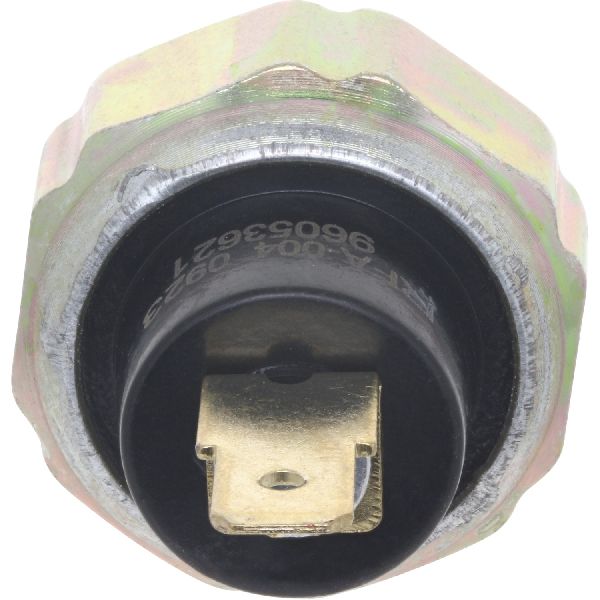
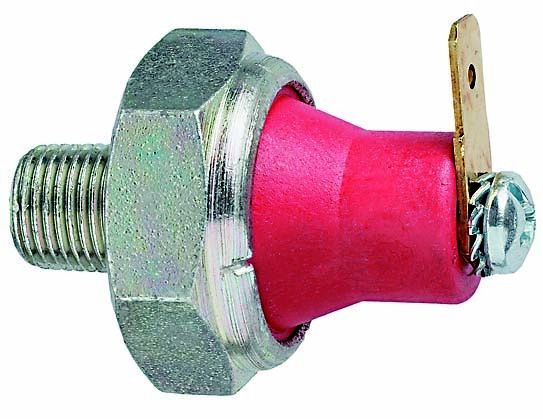
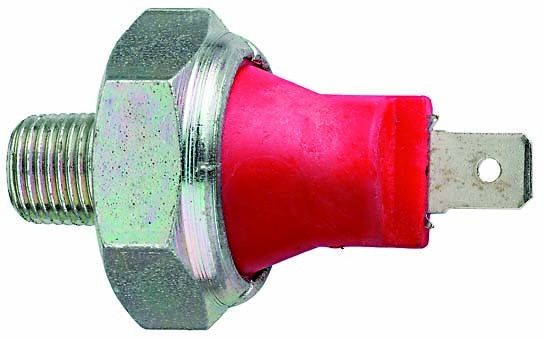
- Engine Oil Pressure Switch: This is a simple, small, and inexpensive part. Its only job is to turn on the red oil warning light on your main dashboard if oil pressure gets critically low (around 2-3 PSI). If your oil light is flickering or staying on, but your oil level is correct, this switch is the likely culprit.
- Engine Oil Pressure Sending Unit: This is a larger, more expensive, canister-shaped part. Its job is to send a variable signal to the oil pressure gauge in the center of your dash. If your gauge is reading zero, maxed out, or jumping around wildly, this sending unit is almost always the problem. Enthusiast forums frequently note that the stock gauge is not very precise, but a complete failure points to the sender.
Check Your Oil Level First!
Before assuming a sensor has failed, always check your engine oil level with the dipstick. An illuminated oil light or a low gauge reading can mean your engine is dangerously low on oil. Driving with low oil pressure can cause catastrophic engine failure.
Choosing the Right Aftermarket Part
When replacing a critical sensor, quality matters. While OEM Mopar parts were the original standard, quality aftermarket options are available. The brands available can be grouped into tiers based on community feedback and reputation.
- Premium Aftermarket (Standard Ignition, Hella, Holstein): Brands like Standard Ignition (Standard Motor Products) are often considered a reliable alternative to OEM. They have a long history of producing quality electronic components. Hella and Holstein also position themselves as OEM-equivalent suppliers. For a critical part like a pressure sender, spending a bit more on a reputable brand is wise.
- Standard Aftermarket (Facet, Rostra): Facet is an established Italian brand that produces a wide range of sensors. They are generally considered a decent mid-range option. Rostra Powertrain is also a known aftermarket supplier. These brands can offer good value, especially for the simpler oil pressure switch.
- Economy Brands (Global Parts): These are typically the most affordable options. While tempting, they may have a higher failure rate or shorter lifespan. They might be acceptable for a simple warning light switch, but for the more critical gauge sending unit, investing in a better brand is recommended by many owners.
A Common Point of Failure
Both the switch and the sending unit are known to fail by leaking oil externally. When you inspect your sensors, look for signs of fresh oil seeping from the plastic housing or the electrical connector. This is a clear sign that the part needs to be replaced, even if the gauge or light is still working.
Estimated Replacement Costs
| Part Type | Estimated Cost |
|---|---|
| New OEM (Mopar) Sending Unit | $80 - $120 |
| New Aftermarket Sending Unit | $25 - $120 |
| New Aftermarket Switch | $7 - $30 |
| Shop Labor | $100 - $200 |
Note: Costs are estimates and can vary by location and supplier. Labor costs are based on an estimated 1-1.5 hours of work.
Frequently Asked Questions (FAQ)
Where are the oil pressure sensors located on my Dodge Stealth?
On DOHC engines (found in R/T and R/T Turbo models), both the switch and the sending unit are located next to each other on the driver's side of the engine block, above the oil pan. On SOHC engines (found in base and ES models), the sending unit for the gauge is near the oil filter on the passenger side, while the switch for the light is on the driver's side. Access usually requires removing the driver's side front wheel and splash shields.
Can I replace the oil pressure switch or sender myself?
Yes, this is a DIY-feasible job for someone with basic mechanical skills. It requires safely jacking up the car, removing the wheel, and accessing the sensors from the wheel well. You will need a special deep socket designed for oil pressure switches to remove and install them without damage. Be prepared for some oil to spill when the old sensor is removed.
My oil light flickers at idle, but the gauge looks okay. What's wrong?
This is a classic symptom of a failing oil pressure switch. The switch is designed to trigger the light at very low pressure. As it wears out, it can become overly sensitive, causing the light to flicker at low RPMs (like at a stoplight) even when the actual oil pressure is safe. As long as you've confirmed your oil level is correct, replacing the switch will likely solve the problem.
Are there any recalls for the oil pressure switch on the Dodge Stealth?
There are no specific recalls or Technical Service Bulletins (TSBs) found for the oil pressure switch or sending unit on the 1991-1996 Dodge Stealth. Failures are typically due to the age and wear of the component.
Technical Specifications
OEM Part Numbers: MD138993 MD138994
DOHC Location: Driver's side of engine block, above oil pan. SOHC Location: Sender near oil filter (passenger side), Switch on driver's side block.
We Have This Part in Stock


The information in this article is provided for general reference and educational purposes only. Vehicle specifications, procedures, and part compatibility can vary by production date, trim level, and region. Always consult your vehicle's factory service manual and verify part numbers before purchasing or performing repairs. Safety-critical components such as airbags, seat belts, and braking systems should be installed by a qualified professional.
- Dodge Stealth: