

Dodge Stealth 1991-1996 Manifold Absolute Pressure (MAP) Sensor Replacement Guide
If your Stealth is running rough, hesitating, or getting poor gas mileage, a failing MAP sensor could be the reason.
- A bad MAP sensor directly causes poor performance and high fuel consumption in your Stealth.
- Replacement is a simple, DIY-friendly task that can be completed in under 30 minutes with basic tools.
- While budget parts are available, using an OEM or a reputable aftermarket brand like Standard Ignition is recommended for sensor accuracy and longevity.
- Always check the sensor's vacuum hose for cracks or leaks before buying a new part, as this can cause similar symptoms.
Symptoms of a Failing MAP Sensor
A bad MAP sensor sends incorrect data to your Stealth's computer, which can cause a variety of noticeable problems. Because the sensor is critical for managing the air-fuel ratio, you'll often experience issues related to engine performance and efficiency.
- Rough Idle: The engine may shake, surge, or have an unstable RPM at a standstill.
- Poor Fuel Economy: If the sensor causes the engine to run rich (too much fuel), you'll find yourself at the gas station more often.
- Lack of Power: The car may feel sluggish and hesitate during acceleration because the computer can't deliver the right amount of fuel for the load.
- Black Smoke from Exhaust: This is a clear sign of an overly rich fuel mixture, where unburned fuel is exiting through the exhaust.
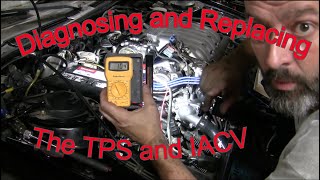
- Stalling: In some cases, the engine may stall unexpectedly when coming to a stop or at idle. 🎬 Watch: Diagnosing rough idle and stalling on the 6G72 engine.
- Check Engine Light: A failing MAP sensor will often trigger a Check Engine Light with codes like P0105 (Manifold Absolute Pressure/Barometric Pressure Circuit Malfunction).
Choosing the Right Aftermarket MAP Sensor
When replacing the MAP sensor on your 1991-1996 Stealth, you have a choice between OEM (Original Equipment Manufacturer) and several aftermarket brands. For a critical sensor like this, quality and accuracy are key.
OEM vs. Aftermarket
An OEM Mopar sensor is the original part your vehicle was built with, offering a guaranteed fit and performance benchmark. However, for an older vehicle like the Stealth, quality aftermarket parts can provide similar performance at a competitive price. The main risk with aftermarket parts comes from lower-tier, budget-focused brands. While tempting, some owners of similar vehicles have reported issues like rough idling or shifting problems with budget sensors. It's often wise to stick with either OEM or a well-regarded aftermarket manufacturer.
Aftermarket Brand Tiers
The aftermarket brands available for your Stealth fall into different categories based on reputation and market position.
- Standard Ignition (SMP): A long-established company known for producing reliable electronic components that often meet or exceed OEM specifications. They are generally considered a top-tier aftermarket choice.
- Walker Products: Another established brand that manufactures a wide range of engine management sensors. They are a solid mid-tier option for owners looking for a balance of cost and quality.
- Spectra & Global Parts: These brands often fall into the economy or value-oriented tier. While they offer a cost-effective solution, be aware that for sensitive electronics, performance can sometimes be inconsistent compared to higher-end options.
Pro Tip: Before replacing the sensor, check the vacuum hose that connects to it for cracks or leaks. A simple vacuum leak can mimic the symptoms of a bad MAP sensor and is a much cheaper fix.
Typical Replacement Costs
The cost to replace the MAP sensor on a '91-'96 Stealth is relatively low, especially if you do it yourself. The part itself is affordable, and the labor is minimal.
| Part Type | Estimated Cost |
|---|---|
| New Aftermarket | $50 - $107 |
| New OEM (Mopar) | $65 - $90 |
| Shop Labor | $50 - $100 |
Frequently Asked Questions
Where is the MAP sensor located on a 1991-1996 Dodge Stealth?
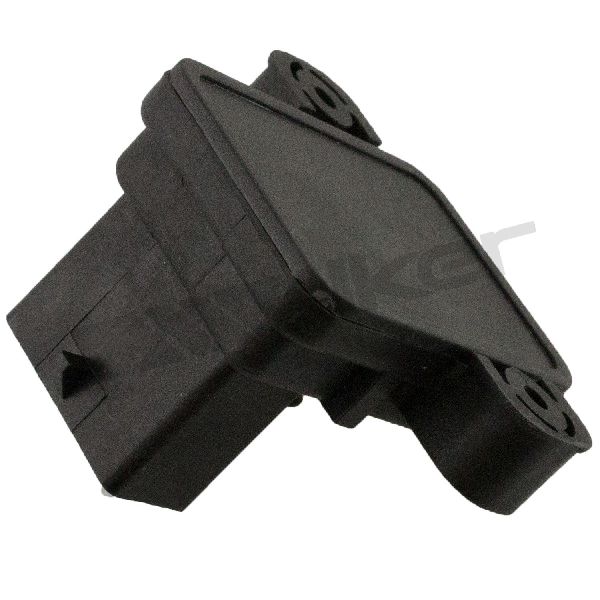
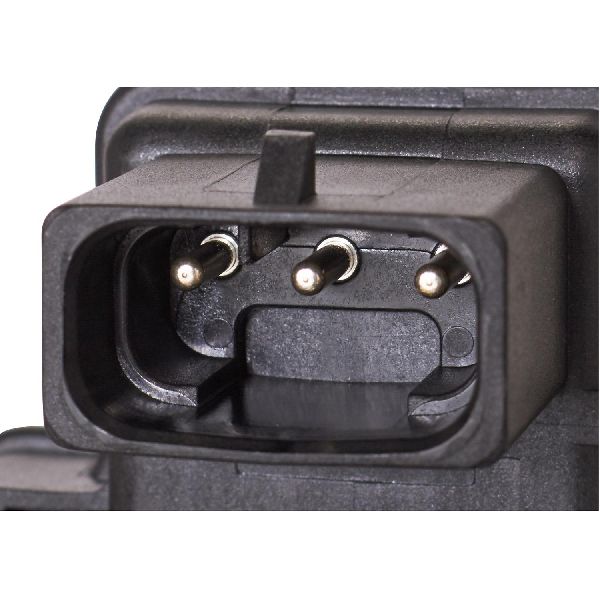
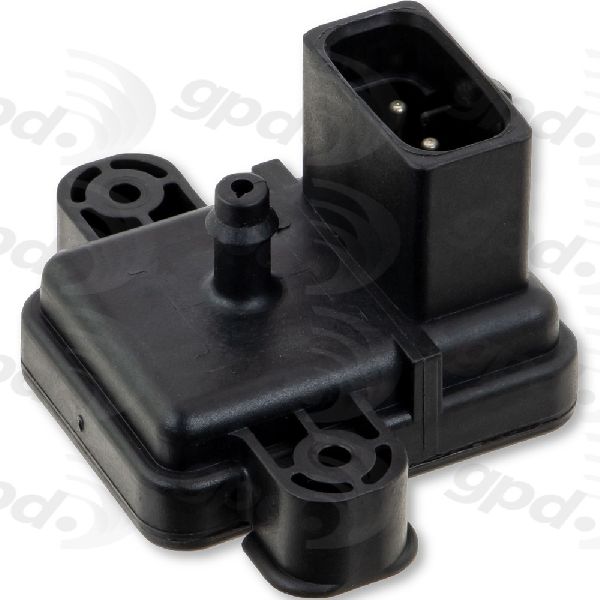
The MAP sensor is typically mounted directly on the intake manifold. It's a small, black plastic sensor with an electrical connector and a port for a vacuum hose. It is usually held in place by one or two small bolts.
Can I clean my MAP sensor instead of replacing it?
Sometimes, yes. The sensor can get contaminated with carbon or oil residue. You can try cleaning it with a dedicated Mass Airflow (MAF) sensor cleaner. Do not use brake cleaner or other harsh chemicals. If cleaning doesn't resolve the symptoms, replacement is necessary.
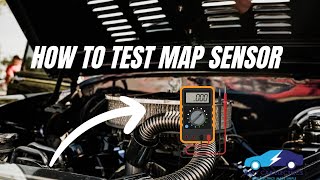
🎬 See this step-by-step guide on how to test any MAP sensor.Is it difficult to replace the MAP sensor myself?
No, this is a very beginner-friendly job. The process involves disconnecting the battery, unplugging the electrical connector, removing the vacuum line, and taking out one or two bolts. It typically takes less than 30 minutes with basic hand tools.
What happens if I don't replace a bad MAP sensor?
You can continue to drive the car, but you will experience persistent poor performance, bad fuel economy, and potential stalling. A rich-running condition can also foul spark plugs and potentially damage the catalytic converter over time.
Helpful Videos
Technical Specifications
OEM Part Numbers: MD305600 MD156339 4686181 5234971
Measures pressure in the intake manifold to provide engine load data to the ECU. It is a 3-pin sensor for most model years.
We Have This Part in Stock


The information in this article is provided for general reference and educational purposes only. Vehicle specifications, procedures, and part compatibility can vary by production date, trim level, and region. Always consult your vehicle's factory service manual and verify part numbers before purchasing or performing repairs. Safety-critical components such as airbags, seat belts, and braking systems should be installed by a qualified professional.
- Dodge Stealth: