

Dodge Stealth Oxygen Sensor Guide (1991-1996): Symptoms, Brands, and Replacement
Everything a Stealth owner needs to know about choosing and replacing the right oxygen sensor for their specific model year.
- Verify your Stealth's year and engine (SOHC, DOHC, Turbo) to determine if you need one, two, or four sensors.
- Choose direct-fit sensors from OEM-equivalent brands like Denso or NGK for the best performance and reliability.
- Replace all O2 sensors at the same time to ensure balanced engine performance and avoid future failures.
- Do not ignore a bad O2 sensor, as it can lead to poor performance, bad fuel economy, and costly catalytic converter damage.
Understanding Your Stealth's Oxygen Sensors
The oxygen sensor is a key player in your Dodge Stealth's performance and efficiency. It's a small sensor that lives in the exhaust system, constantly checking the air-to-fuel mixture. When it starts to fail, you'll notice it in your car's performance and your wallet. Because the 1991-1996 model years span different engine types (SOHC and DOHC) and the switch from OBD-I to OBD-II diagnostic systems, it's crucial to know exactly what your car needs.
How Many Oxygen Sensors Does My Stealth Have?
The number of sensors depends on your engine and year. This is one of the most common mistakes when ordering parts.
- 1991-1993 Base (SOHC): These models typically have only one oxygen sensor.
- 1991-1993 R/T & ES (DOHC Non-Turbo): These models also usually have one oxygen sensor.
- 1991-1993 R/T Twin-Turbo (DOHC): These have two primary (upstream) sensors, one for each engine bank.
- 1994-1995 Models: This is a transition period. Some federal-spec cars kept the earlier sensor counts, while California-spec cars and some later federal models began using four sensors (two upstream, two downstream) to meet stricter emissions standards.
- 1996 Models: All 1996 models are OBD-II and have four oxygen sensors. The two upstream sensors read the initial air/fuel mixture, while the two downstream sensors monitor the efficiency of the catalytic converters.
Common Symptoms of a Failing Oxygen Sensor
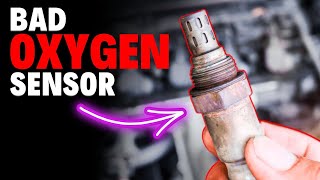
A bad O2 sensor can cause a range of problems, from annoying to potentially damaging. If you ignore 🎬 Watch this video to learn more about bad O2 sensor symptoms. the signs, you risk damaging your expensive catalytic converters.
- Check Engine Light: The most common sign. OBD-II (1996+) cars will have codes from P0130 to P0167. OBD-I (1991-1995) cars will flash a code via the check engine light.
- Poor Fuel Economy: One of the first things you'll notice. The ECU defaults to a rich fuel mixture, wasting gas.
- Rough Idle or Stalling: The engine may run unevenly, hesitate, or stall because the air-fuel mixture is wrong.
- Rotten Egg Smell: A strong sulfur smell from the exhaust indicates unburned fuel is overheating the catalytic converter.
- Failed Emissions Test: A bad O2 sensor is a common reason for failing a smog check.
Can I Drive with a Bad O2 Sensor?
You can for a short time, but it's not recommended. Your engine will run poorly and use more fuel. More importantly, a bad sensor can quickly lead to the failure of your catalytic converter, a much more expensive repair.
Choosing the Right Aftermarket Oxygen Sensor
Since the Dodge Stealth is mechanically identical to the Mitsubishi 3000GT, it has a Japanese-engineered heart. Owners and mechanics strongly recommend sticking with brands that are known for quality in Japanese vehicles. The original factory sensors were made by NGK.
Brand Quality Tiers
Pro Tip: Always choose a "direct-fit" sensor over a "universal" one. Direct-fit sensors come with the correct plug for your Stealth's wiring harness, making installation much easier and more reliable. Universal sensors require you to cut and splice wires, which can lead to problems.
- Tier 1 (OEM-Equivalent): Denso and NGK (NTK). These brands are original equipment manufacturers for many Japanese cars. They offer the best fit, performance, and longevity. Forum discussions consistently show these are the preferred choice for Stealth and 3000GT owners.
- Tier 2 (Quality Aftermarket): Bosch and Delphi. Bosch is a huge name in auto parts, but their O2 sensors can sometimes have different warm-up characteristics than the original Japanese parts, which can cause issues on a cold start if you only replace one sensor. Delphi is another reputable supplier that offers a solid alternative.
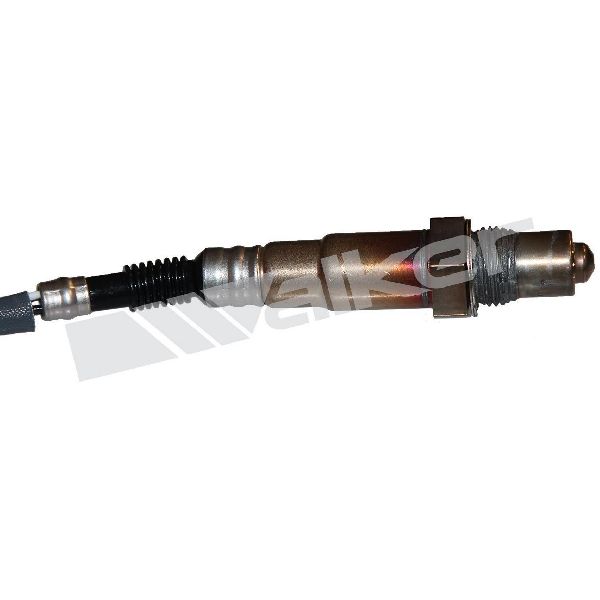
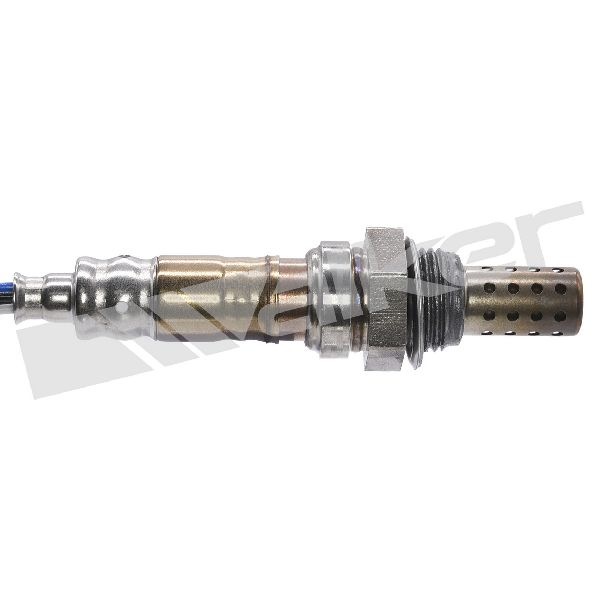
- Tier 3 (Budget-Friendly): Walker Products, Spectra, and DriveWire. These brands offer a lower price point. They can be a viable option for a tight budget, but their lifespan and performance may not match the higher-tier brands. Some users report Walker sensors failing sooner than expected.
Oxygen Sensor Replacement Cost
The cost depends on the brand you choose and whether you do the work yourself. Replacing an O2 sensor is a feasible DIY job for many, but the sensors can be difficult to access, especially the rear sensor on DOHC models.
| Part / Service | Estimated Cost |
|---|---|
| New Aftermarket Sensor | $25 - $108 |
| New OEM Sensor (Mopar/Mitsubishi) | $80 - $150+ |
| Shop Labor | $100 - $300 |
Frequently Asked Questions
How hard is it to replace a Dodge Stealth oxygen sensor?
Difficulty varies. On SOHC models with a single sensor, it's relatively easy. On DOHC and Twin-Turbo models, the front sensor is tight to access, and the rear sensor can be very difficult, sometimes requiring removal of intercooler pipes or other components. The sensors are often seized in the exhaust and may require a special O2 sensor socket, a breaker bar, and penetrating oil to remove.
Should I replace all oxygen sensors at the same time?
It's highly recommended, especially on higher-mileage vehicles. O2 sensors age and degrade over time. If one has failed, the others are likely not far behind. Replacing them all ensures consistent performance and prevents you from having to do the job again in a few months.
What's the difference between upstream and downstream sensors?
Upstream sensors (also called primary or front sensors) are located before the catalytic converter. They are the most important for engine performance, as they provide the primary air/fuel mixture reading. Downstream sensors (secondary or rear sensors) are located after the catalytic converter. Their main job is to monitor the converter's efficiency for emissions purposes.
Can I use a Bosch sensor if the other ones are Denso or NGK?
While you can, it's not ideal. Some owners have reported that Bosch sensors have a different warm-up time than Denso or NGK sensors. This mismatch can cause the ECU to get conflicting signals during a cold start, leading to a rough idle or misfire codes until the engine is fully warm. For best results, use the same brand for all sensors.
Are there any recalls for the Dodge Stealth oxygen sensor?
A search of the National Highway Traffic Safety Administration (NHTSA) database shows no specific recalls for oxygen sensors on the 1991-1996 Dodge Stealth. However, some general Dodge/Chrysler Technical Service Bulletins (TSBs) exist for O2 sensor-related codes on other models, often pointing to wiring or software issues rather than the sensor itself.
Helpful Videos
Technical Specifications
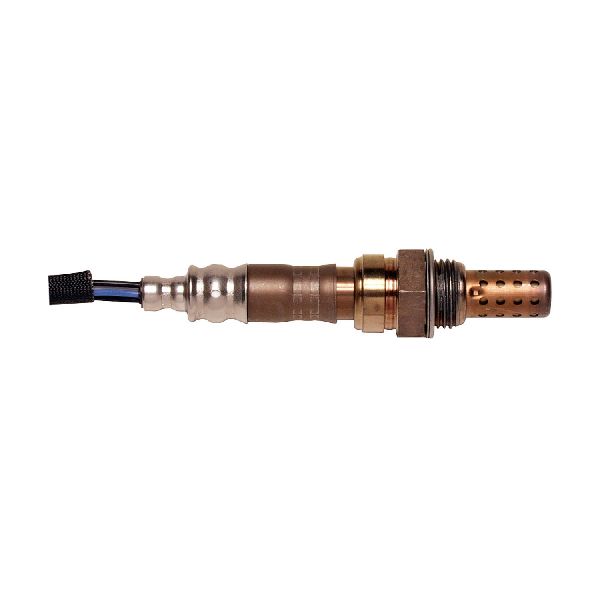
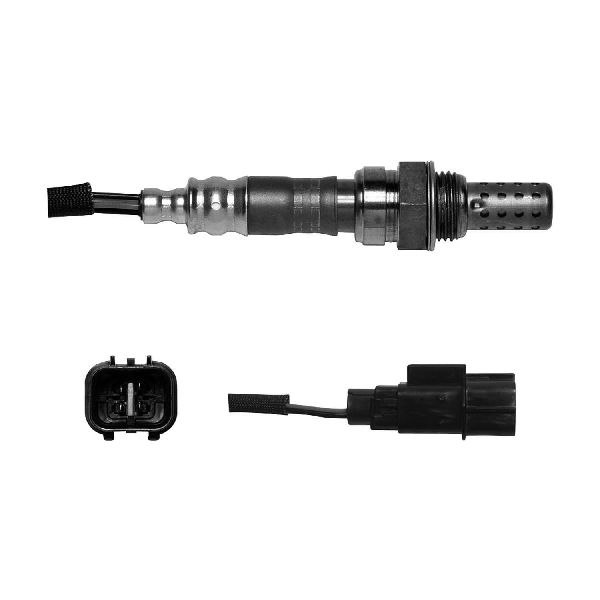
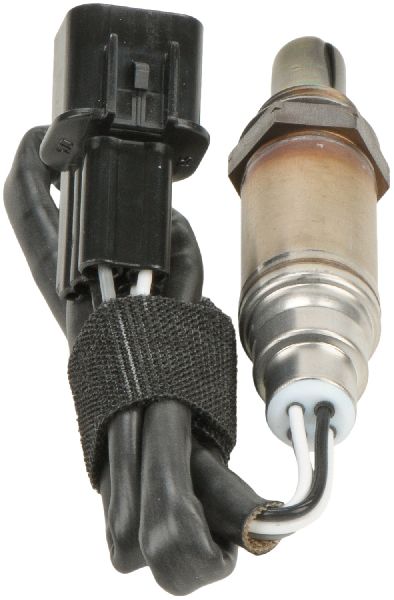
OEM Part Numbers: MD164422 MD164423
Thread Size: M18x1.5mm. Hex Size: 7/8" (22mm). Sensor Type: 4-wire heated Zirconia. The number of sensors and their locations vary significantly by year, engine type (SOHC/DOHC/Turbo), and emissions standard (Federal/California).
We Have This Part in Stock


The information in this article is provided for general reference and educational purposes only. Vehicle specifications, procedures, and part compatibility can vary by production date, trim level, and region. Always consult your vehicle's factory service manual and verify part numbers before purchasing or performing repairs. Safety-critical components such as airbags, seat belts, and braking systems should be installed by a qualified professional.
- Dodge Stealth:
- 🎬 Helpful Videos
- 🛍️ Shop This Part
- Understanding Your Stealth's Oxygen Sensors
- How Many Oxygen Sensors Does My Stealth Have?
- Common Symptoms of a Failing Oxygen Sensor
- Can I Drive with a Bad O2 Sensor?
- Choosing the Right Aftermarket Oxygen Sensor
- Brand Quality Tiers
- Oxygen Sensor Replacement Cost
- Frequently Asked Questions
- 🎟️ Get 5% Off