

Dodge Stealth Spark Plug Guide: Choosing Parts for SOHC, DOHC & Turbo
Get the right spark plugs for your 1991-1996 Dodge Stealth and understand the critical differences between engine types.
- Identify your engine (SOHC, DOHC, or Twin Turbo) before buying parts, as the job difficulty and parts can differ.
- For DOHC and Twin Turbo models, the rear spark plugs are under the intake plenum, making replacement a 3-4 hour job that requires a new plenum gasket.
- NGK and Denso are the most highly recommended brands for reliability and performance in a Stealth.
- Always check and adjust the spark plug gap to 0.039-0.043 inches before installation, even if the plugs are pre-gapped.
Understanding Your Stealth's Engine
Before buying spark plugs, you must know which 3.0L V6 engine your 1991-1996 Dodge Stealth has, as the parts and the installation process are very different. The Dodge Stealth was built alongside the Mitsubishi 3000GT, and they share the same engines and mechanical parts.
- SOHC 12-Valve: Found in the base model, this is the simplest engine. All six spark plugs are relatively easy to access.
- DOHC 24-Valve: Found in ES and R/T models, this engine is more complex. The three front spark plugs are easy to change, but the three rear plugs are located under the large intake plenum, which must be removed for access.
- DOHC 24-Valve Twin Turbo: Found in the R/T Turbo model, this is the most powerful and most complex version. Like the non-turbo DOHC, the intake plenum must be removed to get to the rear bank of spark plugs.
Job Difficulty Varies Greatly
Changing the spark plugs on a DOHC or Twin Turbo model is a significant job that can take 3-4 hours for a first-timer. It requires removing the intake plenum and replacing gaskets. The SOHC engine is much simpler, often taking less than an hour.
Symptoms of Failing Spark Plugs
Worn spark plugs can cause a range of engine problems. If you notice any of these signs, it might be time for a replacement:
- Rough Idle: The engine may shake or vibrate more than usual when stopped.
- Engine Misfires: You might feel a hesitation or stumbling during acceleration. The check engine light may flash with codes P0300 through P0306.
- Reduced Power: The car will feel sluggish and less responsive.
- Poor Fuel Economy: You'll find yourself filling up the gas tank more often.
- Difficulty Starting: The engine may take longer to crank over before starting.
Choosing the Right Aftermarket Spark Plugs
For Japanese engines of this era, including the Mitsubishi-built engine in your Stealth, owner and mechanic consensus strongly favors NGK and Denso plugs. Many consider them to be OEM-equivalent or better.
Brand & Material Tiers
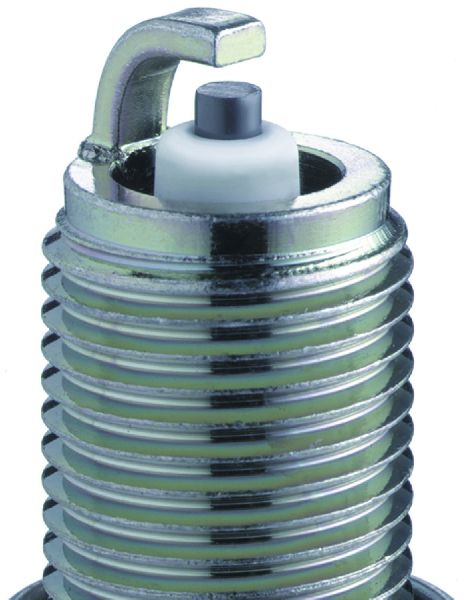
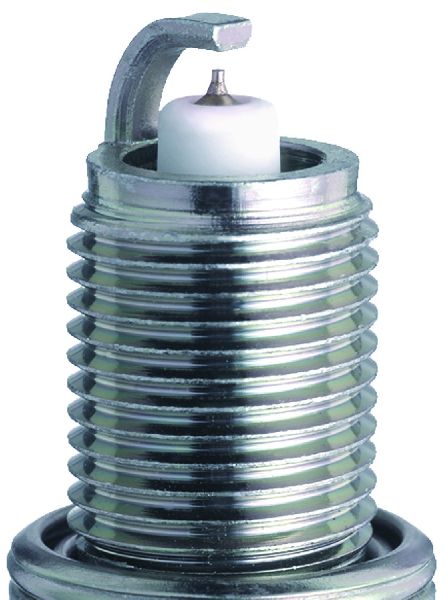
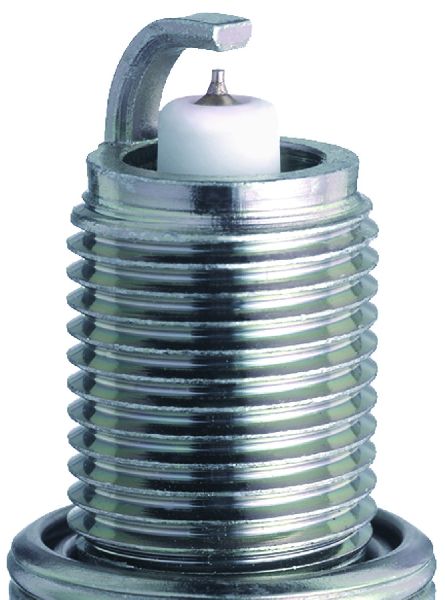
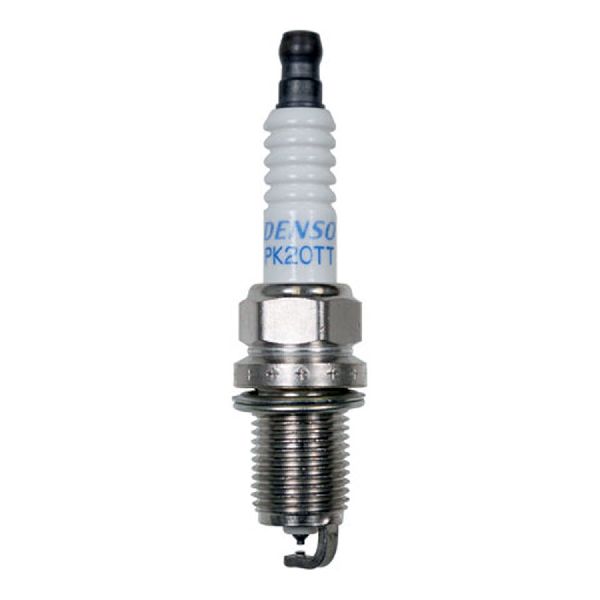
- Top Tier (OEM Quality): NGK and Denso are the recommended brands. They were often the original equipment. Platinum plugs were stock for DOHC models and offer a long service life of up to 60,000 miles. Iridium plugs are a modern upgrade that can offer improved performance and even longer life.
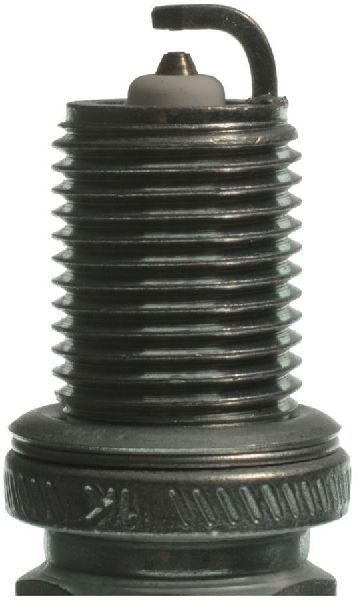
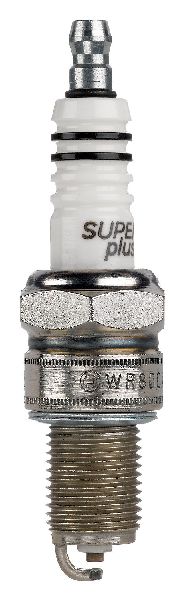
- Mid-Grade: Brands like Bosch and Champion offer good performance. They are a reliable choice if NGK or Denso are not available.
- Performance: MSD is a brand focused on high-performance ignition systems. Their plugs are suitable for modified engines but may be unnecessary for a stock vehicle.
- Standard/Budget: Autolite provides basic, affordable copper plugs. Copper plugs have the shortest lifespan and may need to be changed every 15,000-30,000 miles, but they are very affordable.
A Note on Modified Engines
If your Stealth is modified, especially the Twin Turbo model with increased boost, you may need to use a colder heat range spark plug and a smaller plug gap to prevent misfires under high load. For most stock or lightly modified cars, the standard heat range is appropriate.
| Material Type | Typical Price Range | Recommended For |
|---|---|---|
| Copper (e.g., Autolite, some NGK) | $2.56 - $6.00 | Budget-conscious, frequent changes |
| Platinum (e.g., NGK, Bosch) | $6.00 - $15.00 | Good balance of longevity and performance, OEM for DOHC |
| Iridium (e.g., Denso, NGK) | $10.00 - $21.16 | Longest life, best overall performance |
Frequently Asked Questions
How often should I change my Stealth's spark plugs?
The service manual recommends replacing stock platinum plugs every 60,000 miles for normal driving. However, under severe conditions (like frequent short trips or aggressive driving), it's recommended every 15,000 miles. Copper plugs should be changed more often, around 15,000-30,000 miles, while Iridium plugs can last up to 100,000 miles.
Do I need to gap the spark plugs for my Dodge Stealth?
Yes, always check the gap before installation. The stock gap is typically between 0.039 and 0.043 inches (1.0-1.1 mm). While many plugs come pre-gapped, they can be knocked out of spec during shipping. Use a feeler gauge to verify the gap and a gapping tool to make adjustments. Be very careful not to damage the fragile tip on platinum or iridium plugs.
Is it hard to change the spark plugs myself?
It depends entirely on your engine. For a SOHC model, it is a relatively easy DIY job. For a DOHC or Twin Turbo model, it is much more difficult due to the need to remove the intake plenum to access the rear three plugs. This requires more tools, new gaskets (plenum gasket part number MD143791), and several hours of work.
Are there any recalls for Dodge Stealth spark plugs?
A search of the National Highway Traffic Safety Administration (NHTSA) database shows no recalls specifically for spark plugs on the 1991-1996 Dodge Stealth.
Technical Specifications
OEM Part Numbers: MS851336
Engine: 3.0L V6 (SOHC, DOHC, or DOHC Twin Turbo). Spark Plug Quantity: 6. Socket Size: 5/8 inch. Recommended Gap: 0.039" - 0.043" (1.0mm - 1.1mm). DOHC OEM Plug Type: NGK PFR6J-11 (Platinum). SOHC OEM Plug Type: NGK BPR5ES-11.
We Have This Part in Stock

The information in this article is provided for general reference and educational purposes only. Vehicle specifications, procedures, and part compatibility can vary by production date, trim level, and region. Always consult your vehicle's factory service manual and verify part numbers before purchasing or performing repairs. Safety-critical components such as airbags, seat belts, and braking systems should be installed by a qualified professional.
- Dodge Stealth: