

Ford E-150 Econoline Starter Replacement Guide for 1991-1996 Models
Everything you need to know before replacing the starter motor on your 1991-1996 Ford E-150 Econoline van.
- A single 'click' with no crank is the most common symptom of a failed starter on this van.
- For V8 models that won't start when hot, the issue is likely 'heat soak'; consider a high-torque aftermarket starter to fix this.
- Replacement is a DIY-friendly job, but be prepared for a tight reach on the top mounting bolt.
- Before replacing the starter, always check the battery and the separate, fender-mounted starter relay first.
Is Your E-150 Starter Failing?
A starter motor on the 1991-1996 Ford E-150 rarely fails without giving some warning signs. These vans, equipped with the 4.9L I6, 5.0L V8, or 5.8L V8, have clear symptoms that can help you diagnose the problem before you get stuck. Paying attention to these signs is key.
Common Failure Symptoms:
- Single Loud Click, No Crank: This is a classic symptom. You turn the key and hear one 'CLICK' from the engine area, but the engine doesn't turn over. This usually means the starter solenoid is working, but the motor itself is dead.
- Slow Engine Crank: The engine turns over very sluggishly, almost like the battery is weak. If you've tested your battery and it's good, the starter is the next part to check.
- Grinding or Whirring Noise: A harsh grinding sound when you try to start the engine means the starter gear might not be meshing correctly with the flywheel. A high-pitched whirring sound suggests the starter motor is spinning, but its gear is not engaging the engine at all.
- Intermittent Starting: Your van starts perfectly one day but refuses to crank the next. This unpredictable behavior often points to a worn-out spot in the starter's internal electrical components.
- Smoke or Burning Smell: If you see smoke or smell burning plastic when trying to start the engine, stop immediately. This is a sign of a severe electrical short in the starter, which is drawing too much power and overheating.
Important: Starter vs. Starter Relay (Solenoid)
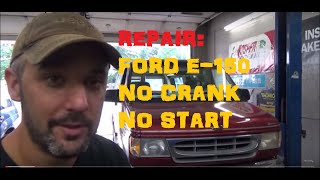
These vans have two components that can cause a 'click, no-start' issue. The starter motor itself (located on the engine) and a fender-mounted starter relay (also called a solenoid) located near the battery. A single click often points to the starter motor assembly, while rapid-fire clicking usually means a weak battery. Before replacing the starter, it's wise to check the battery, its connections, 🎬 Watch: Troubleshooting a no-start, no-crank condition on your E-150 and the fender-mounted relay first, as it's an easier and often cheaper repair.
Known Issues for This Generation
While no specific recalls or Technical Service Bulletins (TSBs) from the NHTSA target the starter motor on the 1991-1996 E-150, there are common issues to be aware of.
- Heat Soak: On V8 models, the starter is located close to the hot exhaust manifold. After a long drive, this heat can increase electrical resistance inside the starter, preventing the van from restarting until it cools down. This is often called a 'hot start' problem.
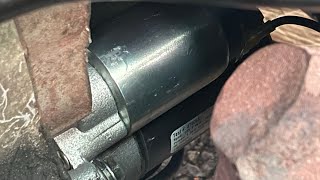
- Corroded Power Wire: A common failure point on older Ford starters is the braided copper wire that connects the solenoid to the starter motor body. 🎬 See how this common braided wire failure looks in person This wire can corrode and break, cutting power to the motor.
Choosing the Right Aftermarket Starter
For a vehicle of this age, a new aftermarket starter is the standard choice, as finding a new Ford OEM part is difficult and often unnecessary. Aftermarket quality varies, so it's helpful to think of brands in tiers.
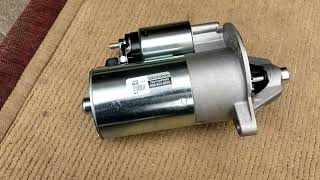
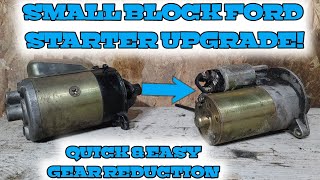
Consider a High-Torque Starter: To combat the common 'heat soak' issue, especially on V8 models, installing a high-torque, gear-reduction starter is a smart upgrade. These starters require less electricity and provide more cranking power, overcoming the high resistance caused by heat.
Brand Quality Tiers
- Premium Aftermarket (Bosch, Denso): Both Bosch and Denso are often original equipment manufacturers for many car brands. Their new and remanufactured starters are built to high standards and are known for reliability and durability, often meeting or exceeding original specs.
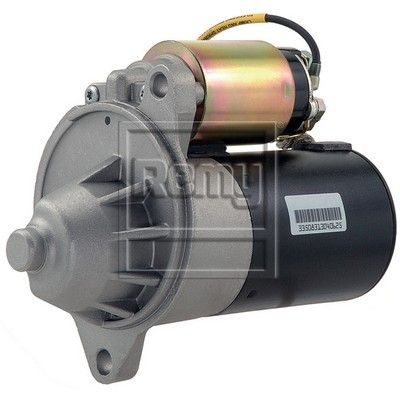
- Standard Aftermarket (Remy, BBB Industries): Remy is a long-established brand in rotating electrical parts, though some mechanics feel their quality has declined recently. BBB Industries is a major remanufacturer that supplies parts for many store brands like NAPA and Duralast. These brands offer a balance of value and acceptable quality for a daily driver.
- Value-Oriented (WAI Global): WAI Global offers 100% new starters, which can be appealing over a remanufactured unit. However, owner reviews are mixed. Some find them to be a great value, while others have reported premature failures. This can be a budget-friendly option, but may carry more risk.
Starter Replacement Cost for 1991-1996 Ford E-150
The cost to replace your starter will depend on the part you choose and whether you do the job yourself or hire a professional.
| Item | Estimated Cost |
|---|---|
| New Aftermarket Starter | $85 - $263 |
| Remanufactured Starter | $100 - $250 |
| Shop Labor | $75 - $250 |
| Total Professional Job | $160 - $513 |
Frequently Asked Questions (FAQ)
Is replacing the starter on an E-150 a DIY job?
Yes, for someone with basic mechanic's tools, this is a manageable job. You will need to safely raise and support the front of the van. The main challenge is reaching the top mounting bolt, which often requires a long socket extension and a swivel joint. Always disconnect the negative battery terminal before starting.
Where is the starter located?
The starter is on the passenger side of the vehicle, mounted to the transmission bellhousing where the engine and transmission meet.
Do I need to replace the solenoid with the starter?
Yes. On these Ford vans, the starter motor and its attached solenoid are sold as a single assembly. When you buy a new starter, it will come with a new solenoid already mounted on it.
What tools are needed to replace the starter?
You will typically need a ratchet set with various sockets (13mm is common), extensions, and a swivel/universal joint. You may also need a wire brush to clean cable connections and a torque wrench for proper installation.
Helpful Videos
Technical Specifications
Voltage: 12V. Rotation: Clockwise. Tooth Count: 9-10 (varies by engine). Type: Permanent Magnet Gear Reduction (PMGR) is common for aftermarket replacements.
We Have This Part in Stock

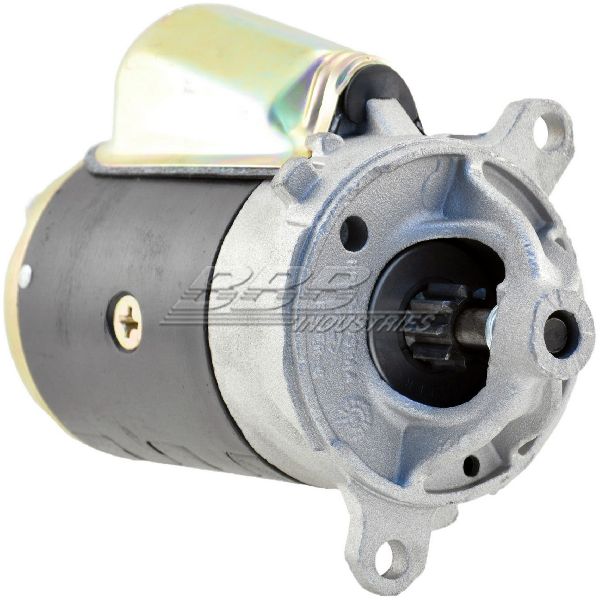
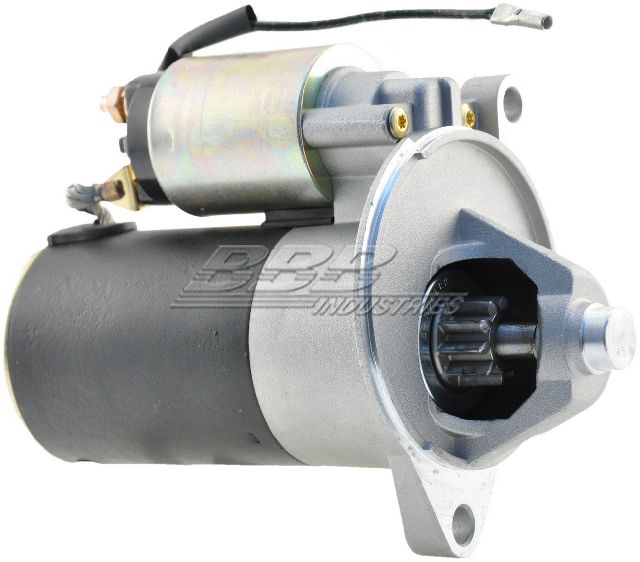
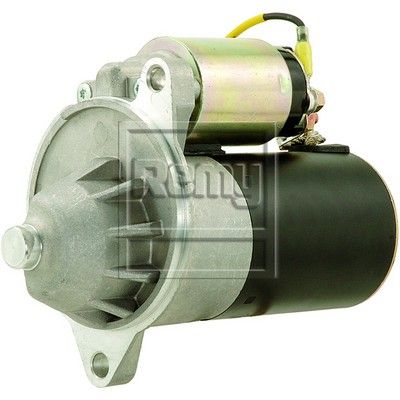
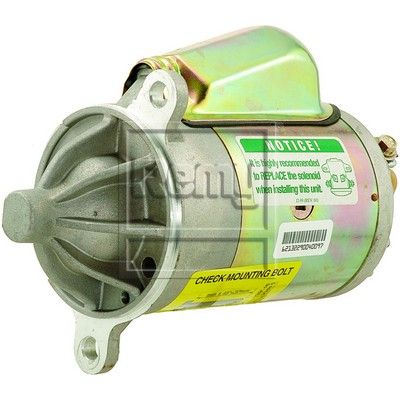

The information in this article is provided for general reference and educational purposes only. Vehicle specifications, procedures, and part compatibility can vary by production date, trim level, and region. Always consult your vehicle's factory service manual and verify part numbers before purchasing or performing repairs. Safety-critical components such as airbags, seat belts, and braking systems should be installed by a qualified professional.
- Ford E-150 Econoline:
- 🎬 Helpful Videos
- 🛍️ Shop This Part
- Is Your E-150 Starter Failing?
- Common Failure Symptoms:
- Important: Starter vs. Starter Relay (Solenoid)
- Known Issues for This Generation
- Choosing the Right Aftermarket Starter
- Brand Quality Tiers
- Starter Replacement Cost for 1991-1996 Ford E-150
- Frequently Asked Questions (FAQ)
- 🎟️ Get 5% Off