

Engine Coolant Temperature Sensor: A Guide for the 1991-1996 Ford Explorer
Diagnose a bad ECT sensor and find the right replacement for your first-generation Ford Explorer.
- For best results and longevity, choose the OEM Motorcraft sensor; forum users report issues with cheaper brands on Fords.
- Confirm if you need the two-wire ECT sensor (for the computer) or the one-wire sender (for the gauge), as they are different parts.
- This is a simple, low-cost DIY repair that can solve major driveability issues like poor MPG and rough idling.
- No recalls have been issued for this specific part on the 1991-1996 Explorer.
Is Your Explorer's ECT Sensor Failing?
A bad Engine Coolant Temperature (ECT) sensor can cause problems that seem much bigger than they are. Because the sensor is telling the engine's computer the wrong temperature, the computer makes incorrect adjustments. This can feel like a major engine or fuel system problem, but it's often just a faulty sensor.
Common Symptoms of Failure:
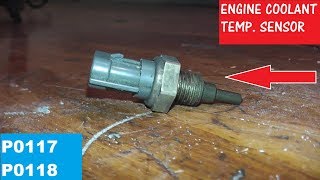
- Check Engine Light: The computer will often detect a signal from the sensor that is out of the expected range and trigger a Check Engine Light. Common trouble codes include P0115, P0117, and P0118. 🎬 Watch this video for a deep dive into diagnosing these codes.
- Poor Fuel Economy: If the sensor is stuck reading "cold," the computer will continuously enrich the fuel mixture, causing your Explorer to use more gas than necessary.
- Black Smoke from Exhaust: A very rich fuel mixture, caused by a bad ECT sensor, can result in black smoke coming from the tailpipe as excess fuel is burned.
- Hard Starting or Rough Idle: The engine may be difficult to start, either when cold or hot, because the computer is providing the wrong fuel mixture for the actual engine temperature.
- Temperature Gauge Issues: While often connected to a separate sender, a faulty ECT sensor can sometimes affect the gauge reading on certain configurations or cause the computer to react in ways that suggest overheating.
A Common Ordering Mistake
First-generation Explorers often have two temperature units near the thermostat housing: a two-wire ECT sensor for the computer and a one-wire temperature sender for the dashboard gauge. If your gauge is dead but the truck runs fine, you likely need the sender. If the truck runs poorly, you likely need the ECT sensor. Confirm which part you need before ordering.
Choosing the Right Aftermarket Sensor
For an older vehicle like the 1991-1996 Explorer, you have many choices for a replacement ECT sensor. They generally fall into three quality tiers.
Tier 1: OEM (Motorcraft)
Motorcraft is Ford's own parts brand and is the original equipment manufacturer. For critical electronic sensors on Ford vehicles, using the OEM part is almost always the most reliable choice. Forum discussions among Ford owners frequently report that cheaper aftermarket sensors can fail quickly, leading to doing the job more than once. If you want a fit-and-forget repair, Motorcraft is the safest bet.
Tier 2: Reputable Aftermarket Brands
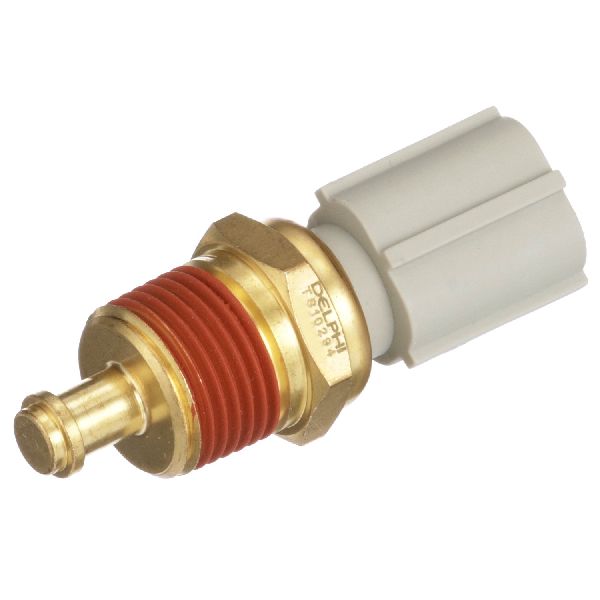
Brands like Delphi, NGK (NTK), and Standard Ignition (SMP) have a long history of producing quality components, often as original suppliers to various automakers. These brands offer a good balance of quality and price, providing a reliable alternative to the OEM part without the premium cost. They are generally considered a solid choice for this repair.
Tier 3: Value Brands
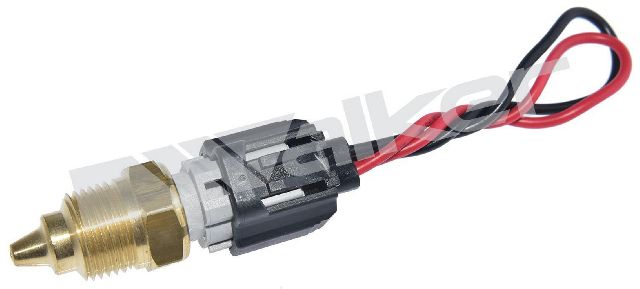
This category includes brands like Holstein, Motorad, Walker Products, and others. These parts are the most affordable and can be a good option for a budget-conscious repair. However, the trade-off can sometimes be in longevity and the precision of the temperature reading. While they will work, be aware that the risk of premature failure is higher compared to Tier 1 or Tier 2 brands.
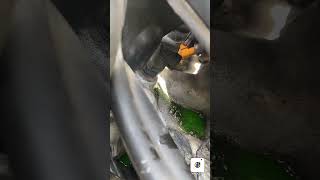
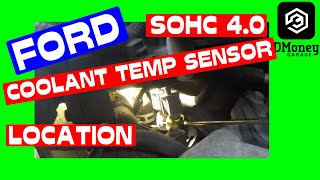
Pro Tip: The ECT sensor for the 4.0L V6 is located on the thermostat housing where the upper radiator hose connects to the engine. The job is straightforward and can be done with basic hand tools in under an hour, making it a great DIY task.
Cost of Replacing the ECT Sensor
| Part Type | Estimated Cost |
|---|---|
| New OEM (Motorcraft) | $21 - $40 |
| New Aftermarket | $12 - $56 |
| Shop Labor | $75 - $150 |
Frequently Asked Questions
Where is the ECT sensor located on my Explorer?
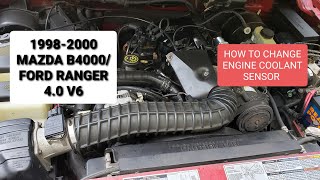
On the 4.0L V6 engine, you will find the ECT sensor screwed into the thermostat housing or the intake manifold right where the large upper radiator hose connects to the engine. On the 5.0L V8, it is in a similar area, near the top front of the engine behind the thermostat. 🎬 See a step-by-step replacement walkthrough for the V8 engine. Look for a two-wire electrical connector.
Is this a difficult repair to do myself?
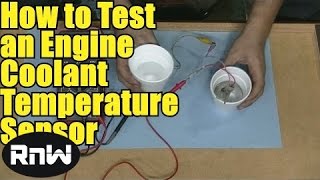
No, this is considered an easy DIY repair. The main challenge is reaching the sensor, which can be in a tight spot. You will need a deep socket or wrench (typically 19mm or 3/4"). 🎬 Learn how to test your sensor using a basic multimeter. The entire process, including letting the engine cool, should take less than an hour.
Are there any recalls for this part?
No, searches of the NHTSA database show no safety recalls or technical service bulletins (TSBs) specifically for the engine coolant temperature sensor on the 1991-1996 Ford Explorer.
Do I need to drain the coolant to replace the sensor?
You do not need to drain the entire system. Because the sensor is located high up on the engine, only a small amount of coolant will spill out when you remove it. Simply have a rag ready to clean up the small spill.
Helpful Videos
Technical Specifications
OEM Part Numbers: 3F1Z-12A648-A F5AZ-12A648-A F5AZ-12A648-AB DY1144 DY1145
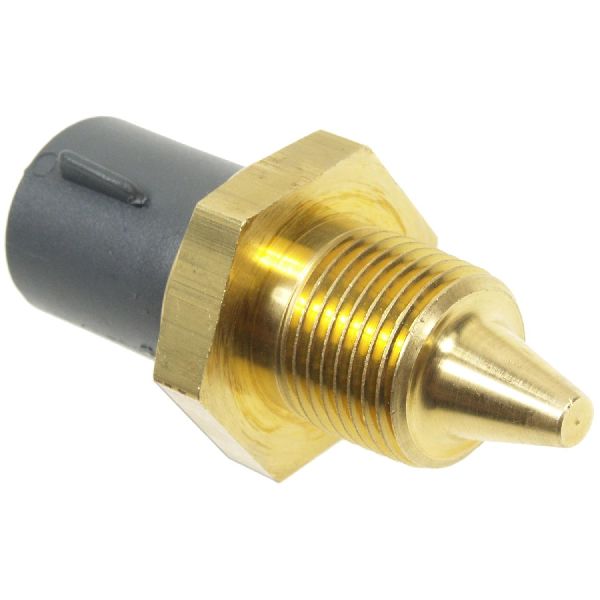
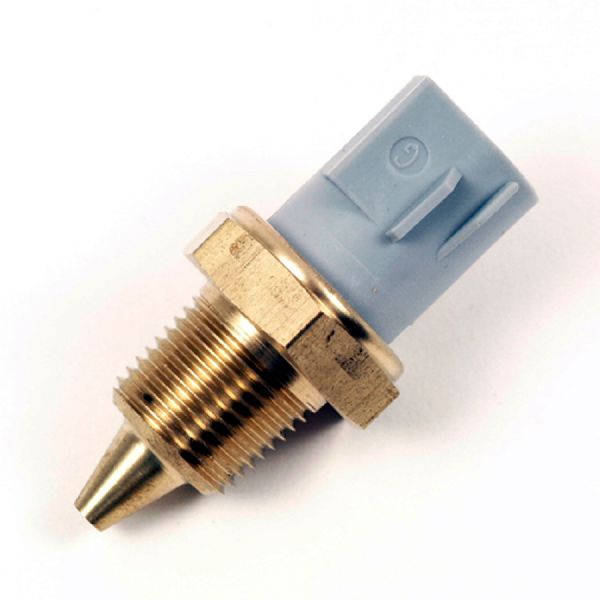
Typically features a brass housing, a two-pin electrical connector, and tapered pipe threads that may come with pre-applied sealant.
We Have This Part in Stock


The information in this article is provided for general reference and educational purposes only. Vehicle specifications, procedures, and part compatibility can vary by production date, trim level, and region. Always consult your vehicle's factory service manual and verify part numbers before purchasing or performing repairs. Safety-critical components such as airbags, seat belts, and braking systems should be installed by a qualified professional.
- Ford Explorer:
- 🎬 Helpful Videos
- 🛍️ Shop This Part
- Is Your Explorer's ECT Sensor Failing?
- Common Symptoms of Failure:
- A Common Ordering Mistake
- Choosing the Right Aftermarket Sensor
- Tier 1: OEM (Motorcraft)
- Tier 2: Reputable Aftermarket Brands
- Tier 3: Value Brands
- Cost of Replacing the ECT Sensor
- Frequently Asked Questions
- 🎟️ Get 5% Off