

Ignition Coil Replacement Guide for the 1991-1996 Ford Mustang
Learn how to spot a failing ignition coil and choose the right replacement for your Fox Body or SN95 Mustang.
- First, confirm if your Mustang needs a single coil (1991-95 V8) or a coil pack (1994-96 V6, 1996 V8).
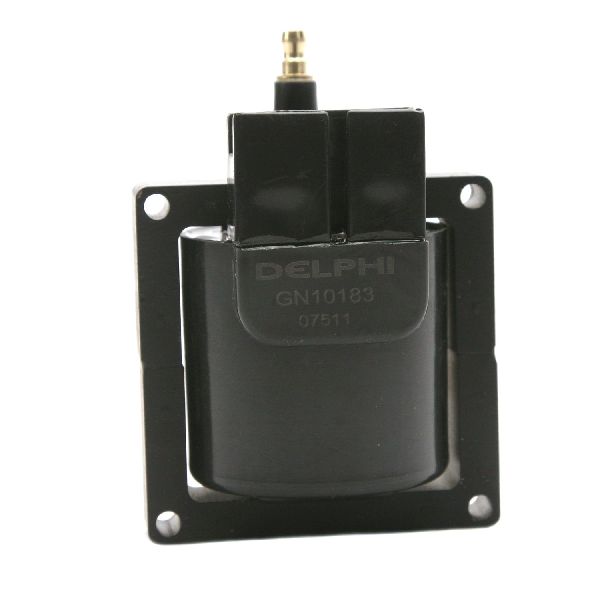
- For a stock engine, a standard aftermarket brand like Delphi or a Motorcraft OEM part is a reliable choice.
- Performance brands like MSD or Accel are best reserved for highly modified engines and may require other ignition upgrades.
- Replacement is an easy DIY job for most owners, typically taking less than 30 minutes with basic tools.
Understanding Your Mustang's Ignition System: 1991-1996
Before buying a new ignition coil, it's crucial to know which system your Mustang uses, as it changed during this period. One of the most common ordering mistakes is buying a single coil for a car that needs a coil pack, or vice-versa.
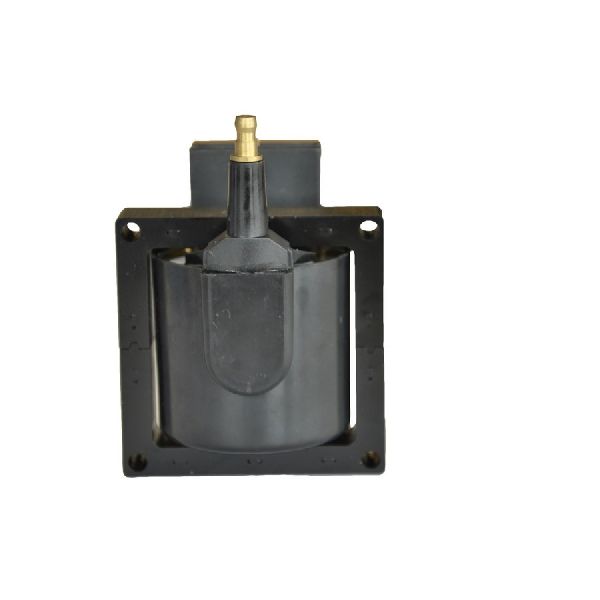
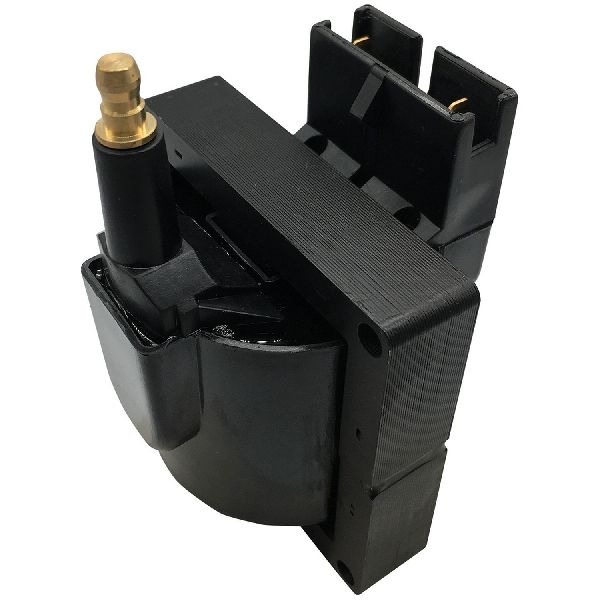
- 1991-1993 (Fox Body) & 1994-1995 (SN95) 5.0L V8: These models use a single, canister-style or E-core ignition coil. It's a standalone part that sends power to a distributor, which then sends the spark to each cylinder. This setup is simple and reliable.
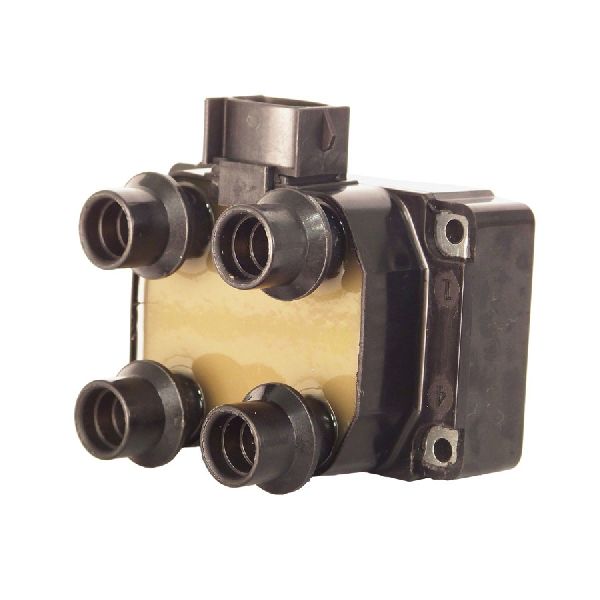
- 1994-1996 (SN95) 3.8L V6: These models use a distributorless ignition system with a single component called a coil pack. This pack contains multiple ignition coils bundled together and sends spark directly to the cylinders through the spark plug wires.
- 1996 (SN95) 4.6L V8: For 1996, Ford introduced the modular 4.6L V8 engine, which uses two separate coil packs. Each pack powers four cylinders. This was a move away from the single coil and distributor setup of the 5.0L V8.
Critical Part Differences
The ignition systems for the V6 and V8 engines, and between the 5.0L and 4.6L V8s, are completely different. Always verify your engine type and model year before ordering to ensure you get the correct part.
Signs of a Failing Ignition Coil
A bad ignition coil or coil pack will cause noticeable engine problems. Since the coil is responsible for creating spark, a failure means one or more cylinders aren't firing correctly. Common symptoms include:
- Engine Misfires: The engine may sputter, shake, or run roughly, especially when idling or under load (like going up a hill).
- Check Engine Light: A misfire will almost always trigger the check engine light. Common codes include P0300 (random misfire) or P0301-P0308 (for specific cylinders). You may also see codes like P0351, which points directly to a coil circuit malfunction.
- Poor Performance and Fuel Economy: Your Mustang may feel sluggish, hesitate on acceleration, and use more gas than usual.
- Stalling or Hard Starting: A weak or dead coil can make it difficult to start the engine or cause it to stall, especially when it's hot.
- Backfiring: Unburned fuel from a misfiring cylinder can enter the exhaust and ignite, causing a loud bang.
Choosing the Right Aftermarket Ignition Coil
For a daily driver or stock Mustang, an OEM-quality or standard aftermarket coil is more than enough. High-performance coils are generally only needed for heavily modified engines.
Brand Quality Tiers
- OEM / Premium Aftermarket: Motorcraft is the original Ford part and a guaranteed fit with reliable performance. Brands like Delphi, NGK, and Hitachi are well-respected OEM suppliers that offer similar quality and are excellent choices for a stock replacement.
- Performance Aftermarket: Brands like MSD, Accel, and Performance Distributors (Screamin' Demon) offer high-output coils designed for modified engines. These coils produce a hotter spark, which can be beneficial for engines with upgrades like a new camshaft, cylinder heads, or forced induction. Using a performance coil on a stock engine typically offers little to no benefit and may require upgrading spark plug wires as well.
- Standard Aftermarket: Companies like Standard Ignition (SMP), Walker Products, and Spectra provide dependable, budget-friendly replacements that meet or exceed original specifications. They are a solid choice for most repairs.
- Value Brands: The lower-priced options available, such as DriveWire or Skyward, can get your car running on a tight budget. However, their long-term durability may not match that of premium or standard brands.
Pro Tip: A Tune-Up Opportunity
An ignition coil often fails due to age or stress from worn-out spark plugs and wires. If you're replacing a coil, it's a great time to also replace your spark plugs and spark plug wires to ensure the entire ignition system is healthy.
| Part Type | Estimated Cost |
|---|---|
| New OEM (Motorcraft) | $45 - $75 per coil/pack |
| New Aftermarket | $22 - $163 |
| Shop Labor | $75 - $150 |
Frequently Asked Questions (FAQ)
Do I need a high-performance coil for my stock Mustang?
No, a stock or lightly modified Mustang does not need a high-output performance coil. A standard replacement from a quality brand like Motorcraft or Delphi is perfectly adequate. Performance coils are designed for engines with significant modifications that require a hotter spark.
What's the difference between an ignition coil and a coil pack?
A traditional ignition coil is a single unit that provides spark for the entire engine via a distributor (used on 1991-95 V8s). A coil pack is a block of multiple coils combined into one component that fires the spark plugs directly, eliminating the need for a distributor (used on V6 and 1996 V8 models).
Can I replace just one coil on a coil pack?
No, the coil packs on the 1994-96 V6 and 1996 V8 models are integrated units. If one internal coil fails, the entire pack must be replaced.
Is replacing the ignition coil a difficult job?
No, for all 1991-1996 models, this is a very straightforward DIY job. For the 5.0L V8, the coil is typically mounted on the driver's side strut tower and held by a few small bolts. For V6 and 4.6L V8 models, the coil packs are mounted on the engine and are also easily accessible with basic hand tools like a 7mm socket.
Technical Specifications
OEM Part Numbers: F7PZ-12029-AA DG470 DG530
Varies by engine. 1991-1995 5.0L V8 uses a single TFI-style E-core coil. 1994-1996 3.8L V6 uses a 6-tower waste-spark coil pack. 1996 4.6L V8 uses two 4-tower waste-spark coil packs.
We Have This Part in Stock


The information in this article is provided for general reference and educational purposes only. Vehicle specifications, procedures, and part compatibility can vary by production date, trim level, and region. Always consult your vehicle's factory service manual and verify part numbers before purchasing or performing repairs. Safety-critical components such as airbags, seat belts, and braking systems should be installed by a qualified professional.
- Ford Mustang: