

Jaguar XJS Universal Joint Replacement Guide (1991-1996)
Diagnose and understand the critical universal joints in your XJS drivetrain and rear suspension.
- Your XJS has six U-joints: two on the main driveshaft and four on the rear half-shafts; failure symptoms can vary by location.
- Key symptoms are clunking when shifting, vibrations that increase with speed, and squeaking at low speeds.
- Replacing main driveshaft U-joints is DIY-friendly; replacing rear half-shaft U-joints is much more complex and may require a professional.
- For normal driving, a quality aftermarket brand like GMB is a cost-effective and reliable choice.
Understanding U-Joint Failure in Your XJS
The universal joints in your Jaguar are wear items. The needle bearings inside the U-joint caps can lose their grease over time, leading to metal-on-metal contact and eventual failure. Because the 1991-1996 XJS has a sophisticated independent rear suspension, it uses a total of six U-joints: two on the main propshaft and two on each of the rear half-shafts. Failure is often gradual, starting with subtle noises and vibrations before becoming severe.
Symptoms of a Failing Universal Joint
Listen and feel for these common signs of a bad U-joint:
- Clunking or Clacking Noises: A loud "clunk" when you shift into Drive or Reverse is a classic symptom of a worn U-joint with excessive play. You might also hear a rhythmic "clack-clack-clack" noise from the rear end when accelerating, especially around turns, which often points to a failing half-shaft joint.
- Squeaking or Chirping: A persistent, rotational squeak that is most noticeable at low speeds (under 10 mph) often means the U-joint's internal bearings have run dry of grease.
- Vibrations: A vibration that you can feel through the floor of the car and that gets worse as you increase speed is a serious sign. This indicates the worn U-joint has thrown the driveshaft or half-shaft out of balance.
- Driveshaft Banging: In some XJS models, a combination of worn engine or transmission mounts and a bad U-joint can allow the main driveshaft to physically hit the underside of the car during hard acceleration.
Critical Failure Warning
If a U-joint fails completely, the driveshaft or half-shaft can detach from the car. This will cause an immediate loss of power and can lead to significant damage to the transmission, differential, and underbody as the loose shaft spins violently. Do not ignore the symptoms.
Choosing the Right Aftermarket U-Joint
For a classic vehicle like the XJS, the distinction between OEM and aftermarket parts can be blurry. The original joints were often made by GKN, which are still available. However, high-quality aftermarket brands provide a reliable and cost-effective alternative.
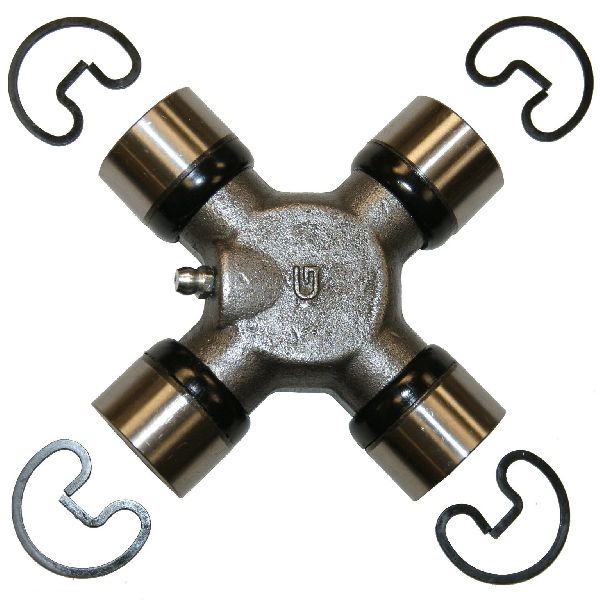
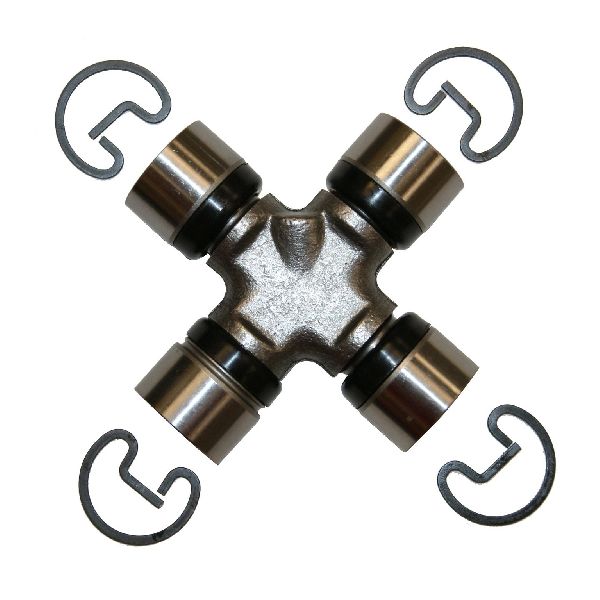
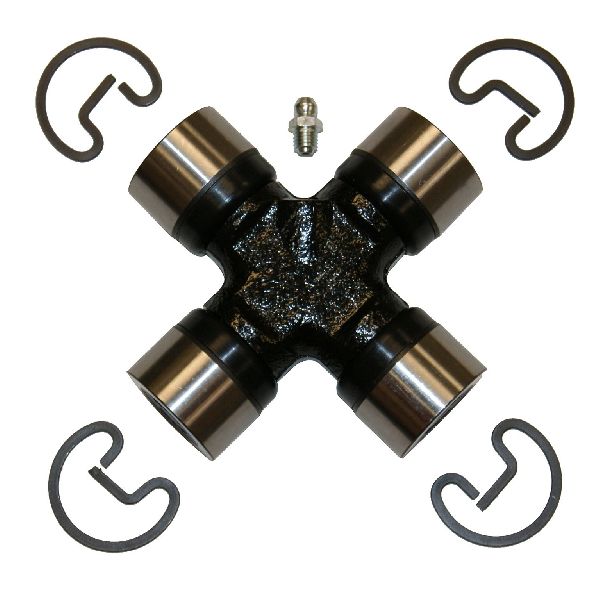
GMB is a well-established Japanese manufacturer of aftermarket parts, including universal joints. For a standard-use XJS that is not being raced, a GMB U-joint is a perfectly suitable replacement. Forum discussions among Jaguar owners suggest that even affordable aftermarket U-joints will typically outlast the owner's time with the car under normal driving conditions. Many modern aftermarket joints are sealed for life and do not have a grease fitting, which can be a low-maintenance advantage.
| Part/Service | Estimated Cost |
|---|---|
| New Aftermarket U-Joint (e.g., GMB) | $20 - $25 |
| New OEM-Brand U-Joint (e.g., GKN) | $50 - $75 |
| Shop Labor (Propshaft U-Joint) | $150 - $300 |
| Shop Labor (Half-Shaft U-Joint) | $350 - $600+ per side |
Installation Tip
When replacing any U-joint, it is absolutely critical to mark the alignment of the shaft and yokes before you take them apart. Re-installing them in the exact same orientation is necessary to maintain the factory balance and prevent new vibrations.
Frequently Asked Questions
Which U-joint is most likely to fail?
All six U-joints are subject to wear. However, the four joints on the rear half-shafts undergo more angular changes due to the independent suspension movement, and their failure can sometimes be more noticeable with clacking sounds on turns. The main propshaft joints are often easier and cheaper to replace first if you are unsure where a vibration is coming from.
Do I need to replace all the U-joints at once?
It is not strictly necessary, but it is good practice. If one joint has failed due to age and mileage, the others are likely in similar condition. When replacing the U-joints on a half-shaft, it is highly recommended to replace both the inner and outer joints on that shaft at the same time, as the labor to remove the shaft is the most difficult part of the job.
Is replacing an XJS U-joint a DIY job?
It depends on the location. Replacing the two U-joints on the main propshaft is a relatively simple job for a DIY mechanic with a good vise or a C-clamp. However, replacing the half-shaft U-joints is a much more involved and difficult task due to the need to disassemble parts of the Jaguar's complex independent rear suspension. This is often best left to an experienced mechanic.
Are there any recalls for the U-joints on my XJS?
No, there are no recalls or specific Technical Service Bulletins (TSBs) from Jaguar or the NHTSA related to universal joint failure on the 1991-1996 XJS.
Technical Specifications
OEM Part Numbers: JLM9639
The XJS uses U-joints on both the main propshaft and the rear axle half-shafts. The half-shafts are a structural component of the independent rear suspension. There are a total of six U-joints in the driveline past the transmission.
We Have This Part in Stock

The information in this article is provided for general reference and educational purposes only. Vehicle specifications, procedures, and part compatibility can vary by production date, trim level, and region. Always consult your vehicle's factory service manual and verify part numbers before purchasing or performing repairs. Safety-critical components such as airbags, seat belts, and braking systems should be installed by a qualified professional.
- Jaguar XJS: