

Chevrolet Caprice Vehicle Speed Sensor Guide: 1991-1997
Fix your Caprice's erratic speedometer and harsh shifting by choosing the right replacement Vehicle Speed Sensor.
- A bad VSS is a common cause of erratic speedometers and harsh shifting; don't assume a major transmission failure.
- You MUST order the correct sensor for your year: 1991-1993 models (4L60 trans) use a different VSS than 1994-1997 models (4L60E trans).
- Replacement is a simple DIY task that can be done in under an hour with basic tools.
- A dim or dead digital speedometer display on 1994-96 models is often a separate issue within the instrument cluster itself, not the VSS.
Is a Bad Speed Sensor Causing Your Caprice's Problems?
A failing Vehicle Speed Sensor (VSS) is a very common issue on the 1991-1997 Chevrolet Caprice. The symptoms can often seem like a major transmission failure, but it's frequently this simple, inexpensive sensor that's the root cause. Before panicking about your transmission, check if your car is showing these classic signs of a bad VSS.
Top Symptoms of VSS Failure
- Erratic or Dead Speedometer: This is the most obvious sign. The speedometer needle may jump around, read incorrectly, or not move at all.
- Harsh or Incorrect Shifting: The computer doesn't know when to shift gears without a correct speed signal. This can cause the transmission to slam into gear, shift too late, or get stuck in a low gear (often called "limp mode").
- Cruise Control Not Working: The cruise control system relies on a steady signal from the VSS to maintain speed. If the signal is gone or erratic, the cruise control will not engage.
- Check Engine Light: A faulty VSS can trigger the Check Engine Light. Common trouble codes include P0500 and P0501, which point directly to a VSS circuit malfunction.
A Critical Ordering Mistake to Avoid
You must order the correct sensor for your specific year. The 1991-1993 Caprice used the 4L60 (also called the 700R4) transmission, while the 1994-1997 models used the electronically-controlled 4L60E. These transmissions use different speed sensors. Always verify the part fits your exact year and transmission before purchasing.
Choosing the Right Aftermarket VSS Brand
For a vehicle of this age, OEM parts can be difficult to find. Aftermarket sensors are a cost-effective and reliable solution. Since this is a relatively simple magnetic sensor, the primary difference between brands is often long-term reliability and quality control rather than immediate performance.
Brand Quality Tiers
- OEM-Grade & Premium Aftermarket (Best Quality): Brands like ACDelco (specifically their GM Original Equipment or Professional lines) and Delphi are often original equipment suppliers to GM and offer the highest quality and reliability. These are the best choice for owners who want maximum peace of mind.
- Trusted Aftermarket (Good Quality): Standard Motor Products (SMP) and Walker Products have a long history of producing reliable aftermarket sensors. They offer a good balance of quality and price and are a solid choice for most daily drivers. NTK is another reputable brand in this category.
- Economy & Store Brands (Acceptable Quality): Brands like Dorman, True Tech, and other store-specific brands offer the most budget-friendly options. While they will restore function, some professional mechanics and vehicle owners have reported higher failure rates with these brands compared to premium options. They can be a viable choice for a budget repair, but be aware of the potential for a shorter service life.
| Part Type | Estimated Cost |
|---|---|
| New Aftermarket Part | $22.71 - $100.05 |
| Shop Labor | $81 - $118 |
| Total Professional Replacement | $104 - $218 (approx.) |
DIY Installation is Easy
Replacing the VSS is a straightforward job for a DIYer with basic tools. The sensor is located on the driver's side of the transmission's tail housing. After safely raising the vehicle, you simply disconnect the electrical connector, remove a single hold-down bolt, and pull the old sensor out. A small amount of transmission fluid may leak out, so have a rag ready.
Frequently Asked Questions (FAQ)
Is the Vehicle Speed Sensor (VSS) the same as an ABS sensor?
No. The VSS is mounted on the transmission and provides speed data for the speedometer, cruise control, and engine computer. ABS (Anti-lock Brake System) sensors, also called wheel speed sensors, are located at each wheel and are used exclusively for the anti-lock brake and traction control systems.
Why won't my transmission shift out of first gear?
This is a classic symptom of a complete VSS failure on the 1994-1997 models with the 4L60E transmission. Without a speed signal, the transmission computer enters a protective "limp mode," which keeps it in a low gear to prevent damage and allow you to get the vehicle safely off the road.
Are there any recalls for the Caprice speed sensor?
No, there are no official recalls or Technical Service Bulletins (TSBs) from the National Highway Traffic Safety Administration (NHTSA) specifically for the vehicle speed sensor on the 1991-1997 Chevrolet Caprice.
My speedometer is just dim or completely dark. Is that the VSS?
Not necessarily. On the 1994-1996 models with a digital dashboard, a dim, flickering, or completely dark speedometer display is a very common problem caused by failing solder joints or poor electrical contacts inside the instrument cluster itself, not the VSS. If the transmission is shifting normally but the display is faulty, the problem is likely in the cluster.
Technical Specifications
OEM Part Numbers: 10456088 10456089 10456132 24232617 8673299
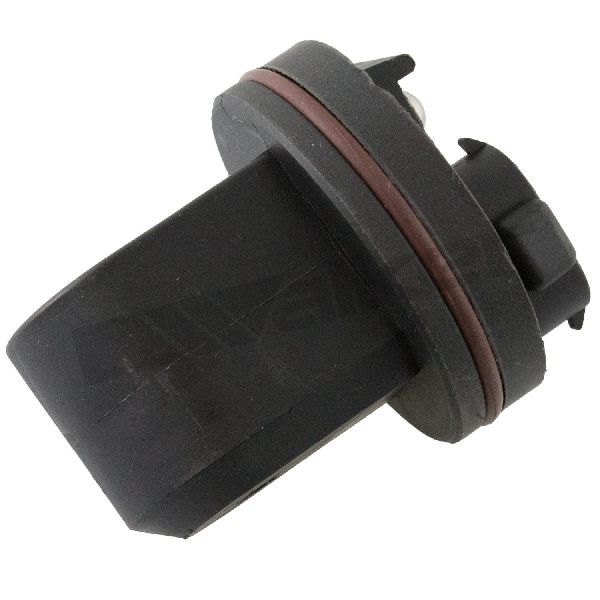
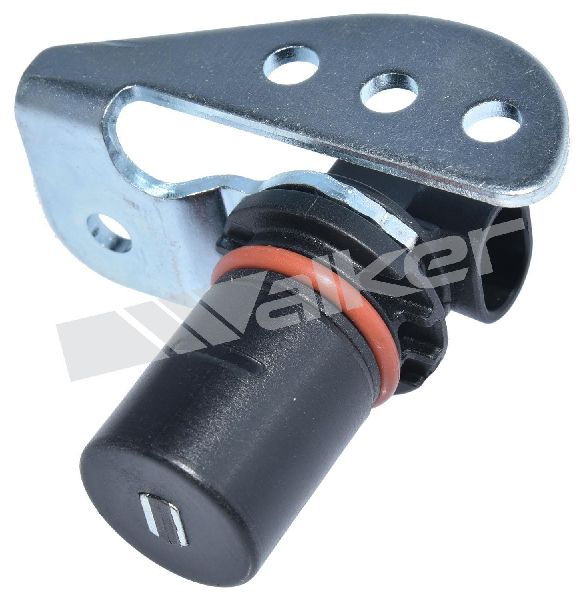
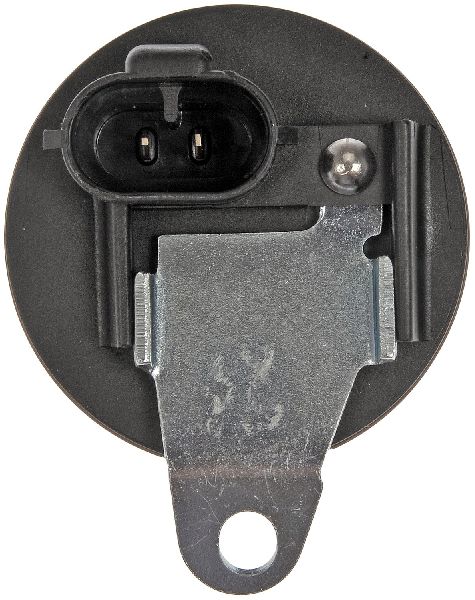
The Vehicle Speed Sensor for the 1991-1997 Caprice is a magnetic pickup sensor that generates a pulse signal. It is located on the transmission tailshaft housing. The design differs between the 1991-1993 models with the 4L60 (700R4) transmission and the 1994-1997 models with the electronically controlled 4L60E transmission. It typically features a 2-blade male terminal connector.
We Have This Part in Stock


The information in this article is provided for general reference and educational purposes only. Vehicle specifications, procedures, and part compatibility can vary by production date, trim level, and region. Always consult your vehicle's factory service manual and verify part numbers before purchasing or performing repairs. Safety-critical components such as airbags, seat belts, and braking systems should be installed by a qualified professional.
- Chevrolet Caprice: