

1991-1997 Chevrolet G30 Ignition Knock Sensor: A Comprehensive Guide
Keep your van's engine safe from damaging detonation by understanding knock sensor failure and choosing the right replacement part.
- A common failure code is P0327 (Knock Sensor Circuit Low Input).
- Performance loss is a primary symptom, as the ECM retards timing to protect the engine.
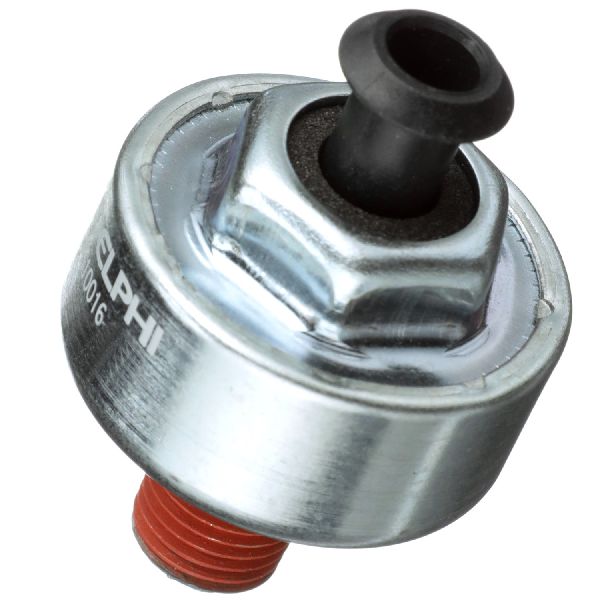
- Choose a quality aftermarket brand like Delphi, Standard Ignition, or NGK to ensure reliability and avoid repeat repairs.
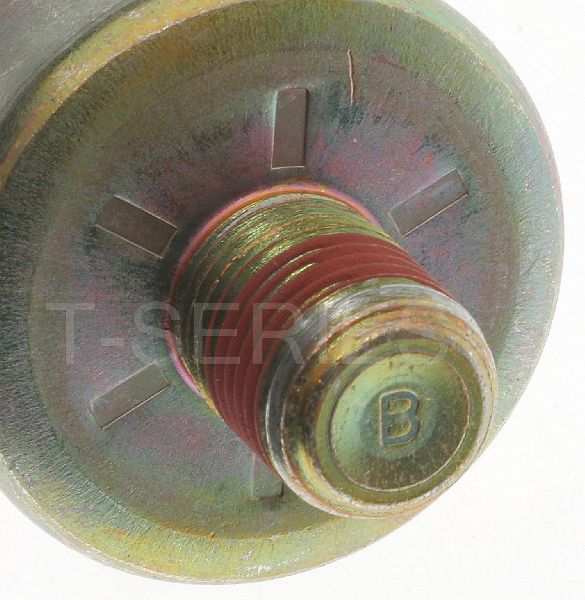
- Water intrusion is a common cause of failure; consider adding RTV sealant around the new sensor as a preventative measure.
Is Your G30 Knock Sensor Failing?
A bad knock sensor can cause problems that you might feel while driving. Because the sensor's job is to protect the engine, when it fails, the engine's computer (ECM) will play it safe. It will default to a very conservative mode, reducing ignition timing to prevent any potential damage. This results in noticeable performance issues.
Symptoms of a Bad Knock Sensor
- Check Engine Light: This is the most common sign. The computer will store a trouble code, often P0327, which indicates a low voltage signal from the sensor circuit.
- Poor Acceleration: Your van may feel sluggish and slow to respond, especially when you press the gas pedal to climb a hill or merge onto the highway.
- Reduced Fuel Economy: When the engine isn't running efficiently, it burns more fuel than necessary.
- Engine Pinging or Knocking: You might hear a metallic pinging or rattling sound from the engine, especially under load. This is the sound the sensor is supposed to detect; if you can hear it, the sensor is likely not working.
Water Damage is a Common Killer
On many GM trucks, the knock sensors are located in valleys on the engine block where water can collect. Over time, this moisture corrodes the sensor and its connector, causing it to fail. When replacing the sensor, it's a good practice to apply a bead of RTV silicone around the base to form a dam, which helps keep water out.
Choosing the Right Aftermarket Knock Sensor
For a critical sensor like this, part quality matters. While you don't have to buy from a dealer, choosing a reputable aftermarket brand is important to avoid having to do the job twice. Cheap, low-quality sensors are known to fail quickly or be dead on arrival.
Brand Quality Tiers
- Top Tier (OEM Quality): Brands like Delphi, Standard Ignition (SMP), and NGK (NTK) are well-regarded in the industry. Delphi was often the original equipment manufacturer for GM. Standard and NGK/NTK have strong reputations for producing reliable sensors that meet or exceed OEM specifications. Many professional mechanics trust these brands to fix the problem correctly the first time.
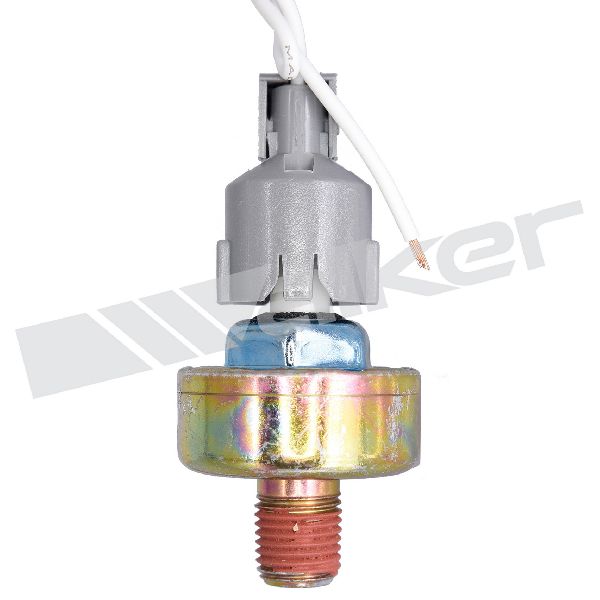
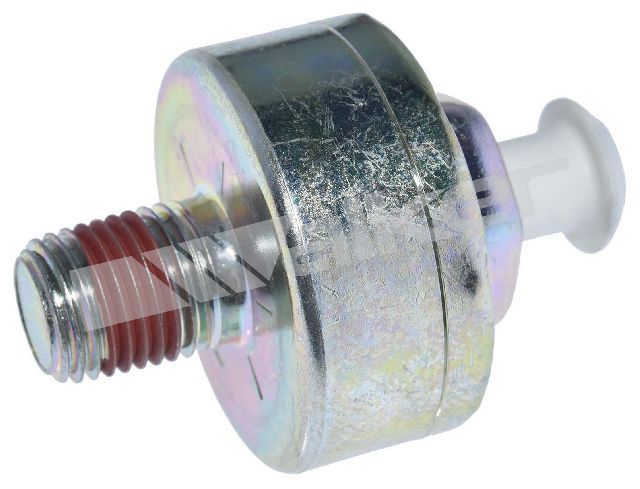
- Mid-Tier (Reliable Value): Walker Products and Motorad offer a good balance of quality and price. They manufacture their parts to OE-fit and function standards and perform extensive testing. These are solid choices for a daily driver.
- Economy Tier (Budget-Friendly): Brands like Global Parts and True Tech fall into the budget category. While they offer a low price point, there is less public data on their long-term reliability. These may be suitable for a budget repair, but carry a higher risk of premature failure compared to top-tier brands.
| Part Type | Estimated Cost |
|---|---|
| New Aftermarket | $42.80 - $73.96 |
| New OEM (Dealer) | $80 - $120 |
| Shop Labor | $100 - $150 |
Pro Tip: Check the Connector
The plastic connector and wiring for the knock sensor can become brittle and corroded over time. It's wise to inspect the wiring harness when you replace the sensor. If it looks cracked or damaged, replace it at the same time to ensure a good connection and prevent future problems.
Frequently Asked Questions (FAQ)
Where is the knock sensor located on a 1991-1997 G30?
On the V8 engines used in these vans, the knock sensor is typically screwed into the side of the engine block. It's often found in one of the coolant drain plug holes. Access requires removing the interior engine cover, often called the 'doghouse'.
Can I replace the knock sensor myself?
Yes, this is a DIY-feasible job for someone with basic mechanic's tools. The main challenge is accessing the sensor, which involves removing the engine cover from inside the van. The sensor itself simply unscrews. The difficulty is moderate, mainly due to the tight space.
What happens if I ignore a bad knock sensor?
The engine computer will default to a safe mode with reduced power to protect the engine. However, if the sensor fails in a way that it cannot detect real knock, and you have a condition causing detonation (like bad fuel or overheating), you could cause serious internal engine damage over time, such as to pistons and bearings.
Why do the prices for knock sensors vary so much?
Price differences reflect the quality of the internal components (the piezoelectric crystal), manufacturing tolerances, and testing. Premium brands invest more in R&D and quality control to ensure their sensors perform exactly like the original part. Economy brands use less expensive components and processes, which can lead to a shorter lifespan or incorrect readings.
Technical Specifications
OEM Part Numbers: 10456288 213-324
Single pin (1-wire) connector, threaded bolt-on design.
We Have This Part in Stock


The information in this article is provided for general reference and educational purposes only. Vehicle specifications, procedures, and part compatibility can vary by production date, trim level, and region. Always consult your vehicle's factory service manual and verify part numbers before purchasing or performing repairs. Safety-critical components such as airbags, seat belts, and braking systems should be installed by a qualified professional.
- Chevrolet G30: