

1991-1997 Ford Explorer Axle Pivot Bushing Replacement Guide
A complete guide to fixing front-end clunks and steering wander caused by worn axle pivot bushings on your first-generation Explorer.
- Worn axle pivot bushings are a common cause of front-end clunks and steering wander on 1991-1997 Explorers.
- Choose polyurethane bushings for lifted/heavy-use trucks for durability; choose quality rubber for a quieter, factory-like ride on a daily driver.
- Replacement is a difficult DIY job due to the challenge of removing the old, pressed-in bushing; a ball joint press or air saw is often required.
- A professional wheel alignment is required immediately after replacement to prevent unsafe handling and rapid tire wear.
Signs of a Failing Axle Pivot Bushing
Worn axle pivot bushings are a very common problem on first-generation Ford Explorers. As the rubber degrades or the inner metal sleeve comes loose, you will notice significant changes in how your truck drives and sounds. 🎬 Watch: See how blown out pivot bushings affect your Explorer. Look out for these key symptoms:
- Clunking or Popping Noises: This is the most frequent complaint. You may hear a loud clunk or pop from the front end, often feeling like it's right under your feet. The noise is most noticeable when going over bumps, braking, or making slow turns into a driveway.
- Steering Wander: The vehicle feels unstable and seems to "wander" across the road, requiring you to make constant small steering corrections to drive in a straight line. This happens because the worn bushing allows the entire axle beam to shift, changing the wheel alignment as you drive.
- Uneven Tire Wear: Bad axle pivot bushings cause the front wheels to tilt, leading to incorrect camber alignment. This results in rapid and uneven tire wear, typically on the inside or outside edge of the tire. An alignment shop will not be able to fix this until the bushings are replaced.
- Vibrations: You might feel vibrations through the floor or steering wheel, as the worn bushing can no longer effectively absorb road imperfections.
Known Issues and Bulletins
While there are no specific recalls for this part on the 1991-1997 models, Ford did issue Technical Service Bulletin (TSB) #15692 for the 1997 Explorer. It addresses a "squeak, snap, rattle, or clunk in the front end when turning or going over bumps," which directly matches the symptoms of a failed axle pivot bushing.
Choosing the Right Aftermarket Bushing
Since Ford no longer produces original equipment (OEM) bushings for this generation of Explorer, you will be choosing from aftermarket brands. The main choice you'll make is between standard rubber bushings and performance-oriented polyurethane bushings.
Material Type: Rubber vs. Polyurethane
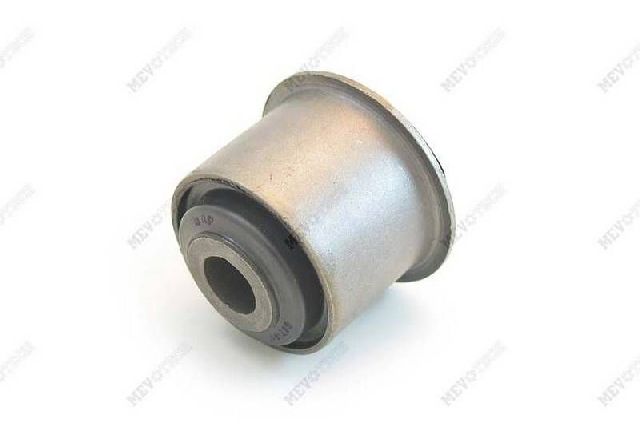
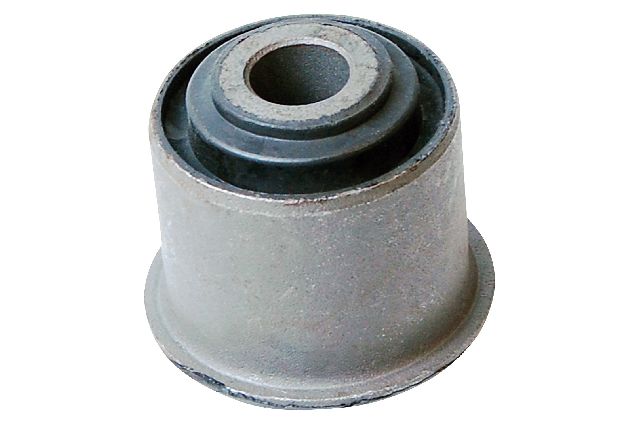
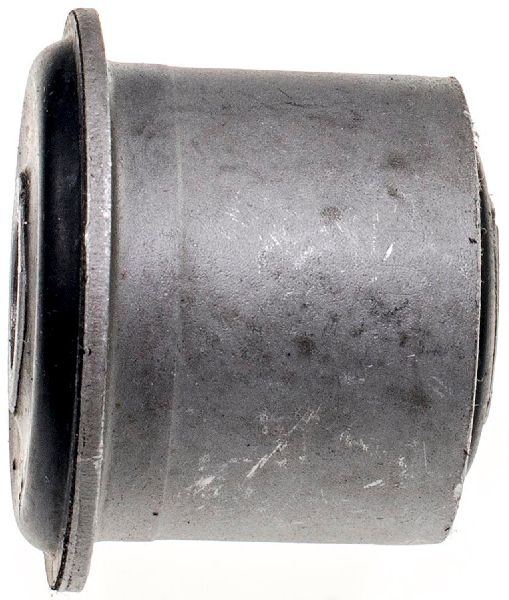
- Rubber Bushings: These provide a ride quality similar to how the truck felt from the factory. Rubber is softer, absorbing more noise and vibration for a quieter, more comfortable ride. Brands like Dorman and MAS Industries typically offer standard rubber bushings. They are a good choice for a daily driver where comfort is the priority. The downside is that rubber can degrade over time from exposure to heat and chemicals and may need to be replaced again in the future.
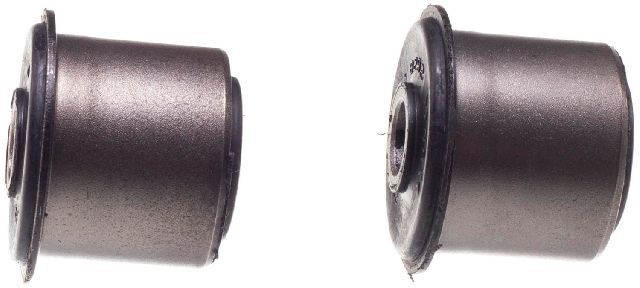
- Polyurethane Bushings: Often called "poly," these are a performance upgrade. Polyurethane is a much firmer and more durable material than rubber. This stiffness improves handling, provides a more direct steering feel, and holds alignment better under stress. Brands like Tuff Country often use materials geared for durability. Polyurethane is resistant to chemicals and wear, so it will likely last the remaining life of the vehicle. The trade-off is a firmer ride; you will feel more of the road's imperfections, and there may be an increase in cabin noise (NVH - Noise, Vibration, and Harshness).
Brand Tiers
- Premium / Heavy-Duty (Tuff Country): Known for suspension lift kits and off-road parts, Tuff Country components are built for durability. Their bushings are an excellent choice for trucks that are lifted, used for towing, or see heavy off-road use.
- Mid-Range (Mevotech): Mevotech is often considered a good balance of quality and price. They are known for making "problem-solver" parts that sometimes improve on the original factory design and are a solid choice for daily driving and light-duty use.
- Standard / Economy (Dorman, MAS Industries): Dorman provides affordable, direct-replacement parts that aim to restore original performance and ride quality. While functional, some users note that their rubber components may not have the same longevity as more premium options. MAS Industries falls into a similar category, offering a cost-effective solution for getting your Explorer back on the road.
Pro Tip: If you have a 4WD Explorer, especially one with a suspension lift, polyurethane bushings are the superior choice for longevity and maintaining proper alignment. For a stock 2WD daily driver, a quality rubber bushing from a brand like Mevotech will restore the original smooth ride.
Cost to Replace Ford Explorer Axle Pivot Bushings
| Part | Price Range |
|---|---|
| New Aftermarket Axle Pivot Bushing (Single) | $15.48 - $61.49 |
| Estimated Shop Labor | $250 - $500 |
*Costs are estimates and will vary based on your location, vehicle condition (rust), and the specific parts chosen. An alignment is an additional cost.
Frequently Asked Questions (FAQ)
Do I need an alignment after replacing the bushings?
Yes, an alignment is absolutely necessary. The axle pivot bushing is a primary component that sets the front wheel alignment. Replacing it will change the suspension geometry. Skipping the alignment will cause poor handling and destroy your new tires quickly.
Can I replace just one side?
While you can, it is highly recommended to replace both the driver and passenger side bushings at the same time. They are the same age and have been subjected to the same amount of stress. If one has failed, the other is likely not far behind.
How difficult is this job for a DIY mechanic?
This is a moderately difficult job. While the process of unbolting the axle is straightforward, removing the old bushing from the axle beam can be very challenging. It is pressed in tightly and often requires a special ball joint press, an air saw to cut the old sleeve, or heating it with a torch to break it free. It is a feasible DIY project for someone with significant suspension work experience and the right tools.
🎬 See this walkthrough for replacing axle pivot bushings on Ford trucks.What happens if I don't replace a bad axle pivot bushing?
Continuing to drive on a failed bushing is unsafe. The steering wander will worsen, making the vehicle difficult to control. It will cause excessive wear on your tires and can put extra stress on other suspension components like ball joints and radius arm bushings, leading to more expensive repairs down the road.
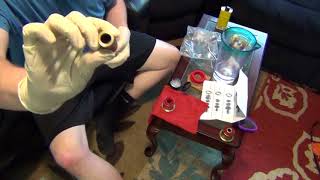
🎬 Watch: A guide to replacing pivot and radius arm bushings.Helpful Videos
Technical Specifications
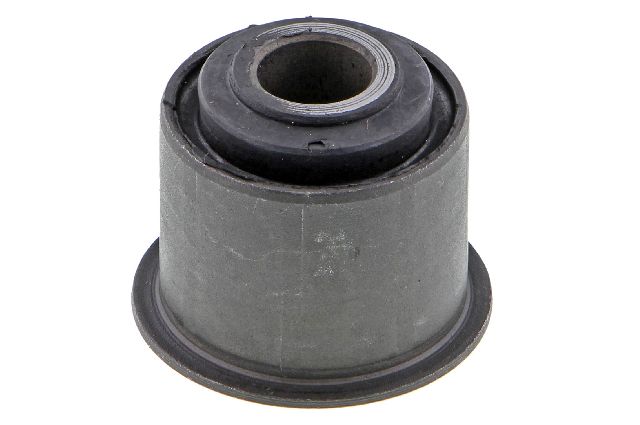
Fits Twin Traction Beam (4WD) and Twin I-Beam (2WD) front suspensions. TSB #15692 addresses related symptoms.
We Have This Part in Stock

The information in this article is provided for general reference and educational purposes only. Vehicle specifications, procedures, and part compatibility can vary by production date, trim level, and region. Always consult your vehicle's factory service manual and verify part numbers before purchasing or performing repairs. Safety-critical components such as airbags, seat belts, and braking systems should be installed by a qualified professional.
- Ford Explorer: