

A Comprehensive Guide to 1991-1997 Ford Explorer Radius Arm Bushings
Eliminate front-end clunks and steering wander on your first-generation Explorer by choosing the right radius arm bushings.
- Worn radius arm bushings are a common cause of clunking noises and steering wander on 1991-1997 Explorers.
- Choose polyurethane bushings (Energy Suspension, Prothane) for durability and a firmer, performance feel.
- Choose rubber bushings (Dorman, Delphi) for a ride that is quiet and comfortable, similar to the factory feel.
- An alignment is highly recommended after replacement to prevent uneven tire wear and ensure proper handling.
Symptoms of a Bad Radius Arm Bushing
Worn radius arm bushings are a very common issue on first-generation Ford Explorers. When they fail, the metal sleeve inside can move around, causing noticeable problems. You are the first line of defense in noticing when a part is going bad. Pay attention to how your Explorer drives, sounds, and feels.
- Clunking or Popping Noises: This is the most common symptom. You may hear a clunk or pop from the front end, especially when going over bumps at slow speeds, braking, or turning into a driveway. This noise is often described as being right under the driver's or passenger's feet.
- Steering Wander: The vehicle may feel like it's "wandering" on the road, requiring constant steering corrections to keep it straight. This happens because the worn bushing allows the front axle to shift slightly.
- Uneven Tire Wear: Bad bushings can lead to incorrect wheel alignment that can't be fixed until the bushings are replaced. This often causes tires to wear unevenly on the edges, a condition known as "cupping."
- Vibration or Shaking: You might feel vibrations in the steering wheel or floor, especially when braking.
Choosing the Right Aftermarket Bushing
For a vehicle of this age, aftermarket bushings are the go-to option. OEM rubber is often softer and less durable than modern aftermarket solutions. You have two main choices: standard rubber or performance polyurethane.
Tier 1: Performance Polyurethane Bushings
Best for: Durability, off-road use, and improved steering response.
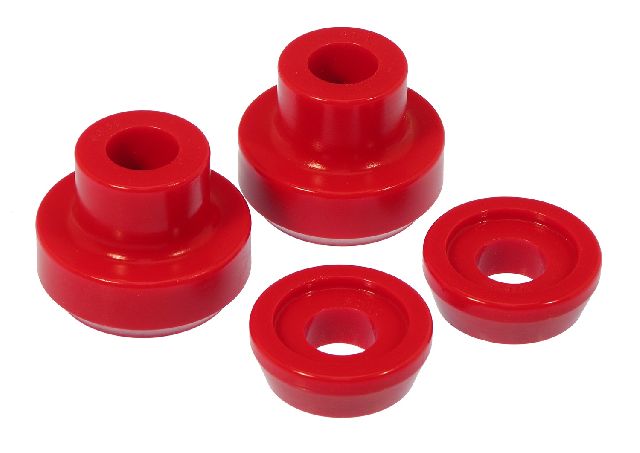
Polyurethane is a type of plastic that is much stiffer and more durable than rubber. Upgrading to polyurethane bushings is a popular choice for Explorer owners looking for a long-lasting solution and a more connected feel to the road. They resist wear from oil, road grime, and heat much better than rubber. The trade-off can be a slightly firmer ride and more noticeable vibrations, as the harder material doesn't absorb as much noise and vibration as soft rubber. If you hear squeaking after installation, it's usually because the bushings weren't greased properly during installation.
- Energy Suspension: A leading brand in polyurethane, known for making high-quality, durable bushings that are a popular upgrade for Explorers. Their kits are often considered very complete.
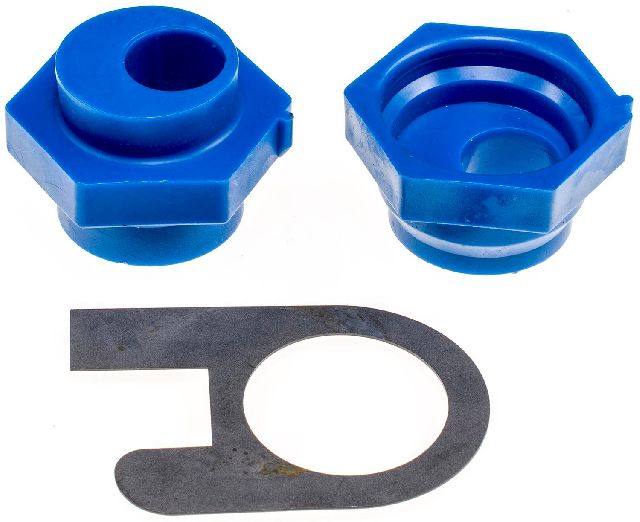
- Prothane: Another top-tier polyurethane brand. Their material is often considered slightly harder than Energy Suspension's, which can be good for performance but may result in a stiffer ride.
Tier 2: Standard Rubber Replacement Bushings
Best for: A ride feel that is close to the original factory comfort.
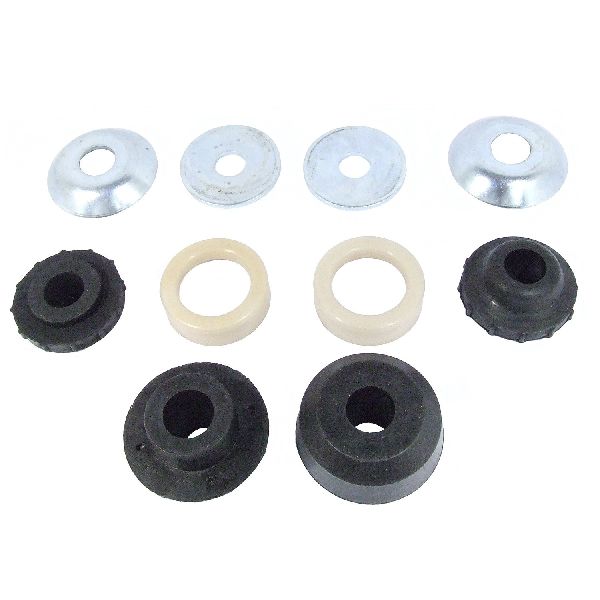
If you want to maintain the original ride quality of your Explorer, a standard rubber replacement is a good choice. These are designed to mimic the softness and vibration absorption of the original parts. While they won't last as long as polyurethane, especially under heavy use or off-roading, they provide a comfortable and quiet ride.
- Delphi: A well-respected OE supplier that also produces aftermarket parts. Their rubber components are known for quality and providing an OE-like fit and feel.
- Dorman: Dorman offers direct replacement parts that are designed to fit and perform like the original equipment. They are a reliable choice for a standard, no-frills repair.
Cost of Replacing Radius Arm Bushings
| Part Type | Part Cost | Labor Cost | Total Cost |
|---|---|---|---|
| Aftermarket Bushing Kit | $15 - $47 | $200 - $400 | $215 - $447 |
Cost estimates are for a pair of bushings and typical shop labor rates. Prices can vary by location and garage.
Frequently Asked Questions (FAQ)
Can I replace just the bushings or do I need the whole radius arm?
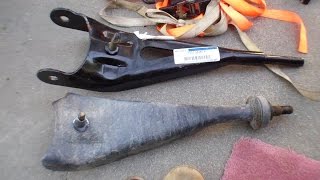
In most cases, you only need to replace the bushings. However, especially on high-mileage or off-road vehicles, the radius arm itself can crack or break from metal fatigue. It's critical to inspect the entire arm for cracks or severe rust when you replace the bushings. If the arm is damaged, it must be replaced.
🎬 See this guide for replacing the entire radius arm assembly.Is an alignment needed after replacing the bushings?
Yes, an alignment is highly recommended. Worn bushings allow the alignment to shift, and replacing them will change the suspension geometry. A proper alignment after the repair will prevent tire wear and ensure your Explorer tracks straight.
What's the difference between rubber and polyurethane bushings?
Rubber bushings are softer and provide a more comfortable, quieter ride by absorbing more vibration. Polyurethane bushings are much stiffer and more durable, offering better steering response and a longer lifespan, but they may transmit more road noise and vibration into the cabin.
How hard is it to replace these bushings myself?
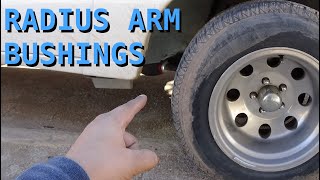
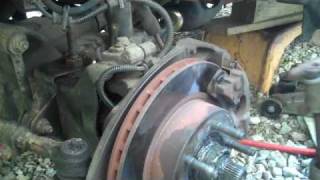
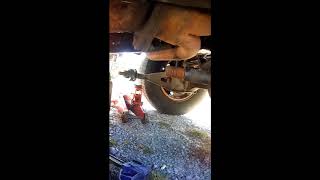
This job is moderately difficult for a DIY mechanic. It requires safely lifting the vehicle, and you may need to disconnect other suspension components like the shock and sway bar. The large nut on the radius arm can be very tight, and air tools are helpful. 🎬 Watch: A complete walkthrough on how to replace these bushings. Some people choose to remove the entire radius arm bracket, which is held on by rivets from the factory that must be cut or ground off.
🎬 Watch: An easier method for changing bushings on this chassis.Helpful Videos
Technical Specifications
OEM Part Numbers: 5C3Z3B203AA
The 1991-1997 Ford Explorer uses a Twin Traction Beam (TTB) front suspension. The radius arm bushings connect the rear pivot of the radius arms to the vehicle's frame.
We Have This Part in Stock

The information in this article is provided for general reference and educational purposes only. Vehicle specifications, procedures, and part compatibility can vary by production date, trim level, and region. Always consult your vehicle's factory service manual and verify part numbers before purchasing or performing repairs. Safety-critical components such as airbags, seat belts, and braking systems should be installed by a qualified professional.
- Ford Explorer: