

GMC Sonoma 1991-1997 Universal Joint: A Mechanic's Guide to Replacement
Don't ignore that clunking or vibration; learn how to choose the right U-joint for your Sonoma's driveshaft.
- Symptoms like clunking, squeaking, and vibrations are serious warnings that should not be ignored.
- Factory U-joints are held in with injected plastic that must be melted with a torch for removal, making the first replacement a difficult job.
- Count your U-joints before ordering; regular cabs usually have two, while extended cabs may have three.
- Dana/Spicer is the most recommended brand for durability and is considered the best replacement option by experienced owners.
Is Your Sonoma's U-Joint Failing?
A failing universal joint gives clear warning signs. Ignoring them can lead to more expensive repairs or a dangerous failure where the driveshaft detaches from the truck. Listen and feel for these common symptoms:
- Clunking or Ringing Noise: A distinct "clunk" or "ping" when you shift into Drive or Reverse is a classic sign of a worn U-joint with too much slack.
- Vibration While Driving: A vibration that you can feel throughout the truck, which gets worse as you increase speed, often points to a bad U-joint. This is frequently misdiagnosed as a tire balance issue.
- Squeaking or Chirping: A rhythmic squeak that matches the rotation of your wheels, especially at low speeds, usually means the U-joint has lost its grease and is running dry.
A Unique Challenge on 1991-1997 Sonomas
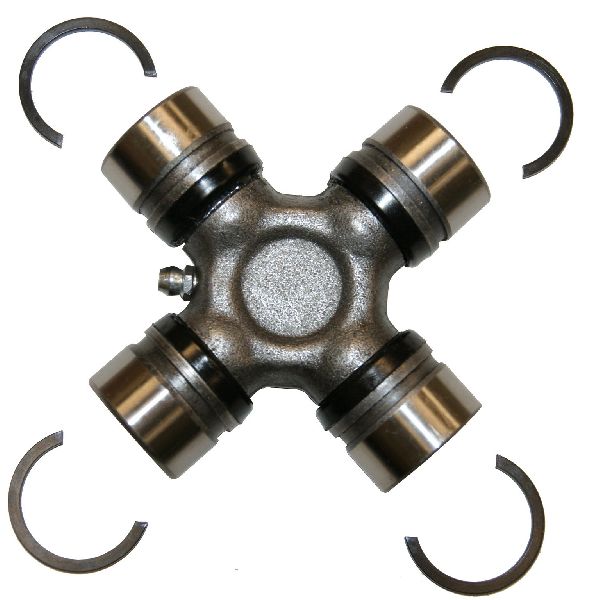
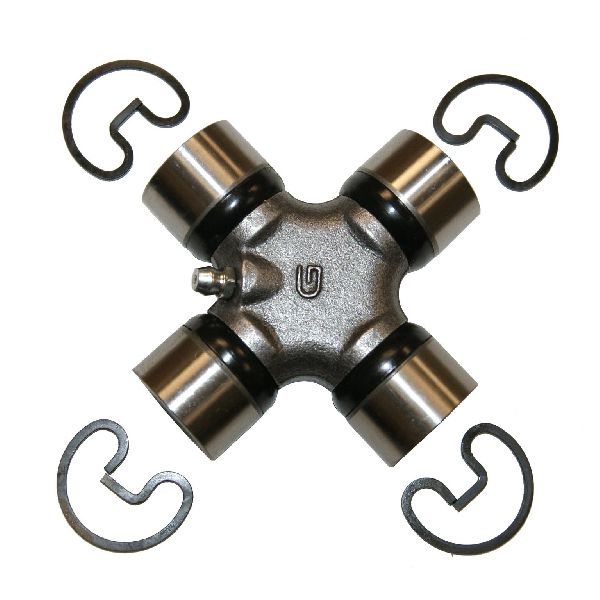
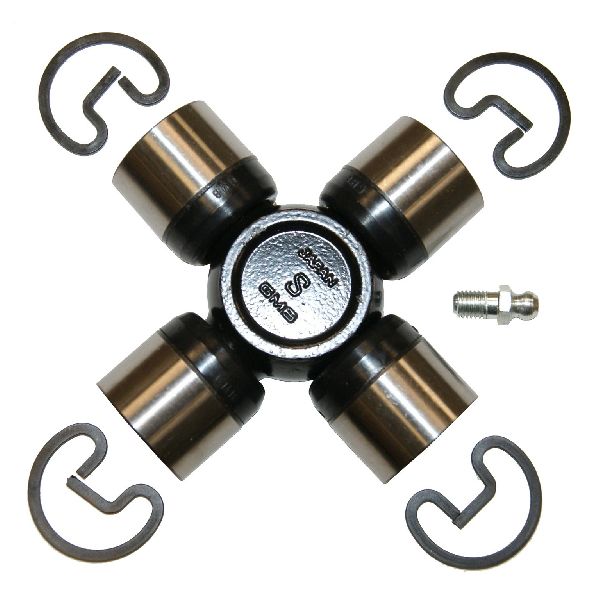
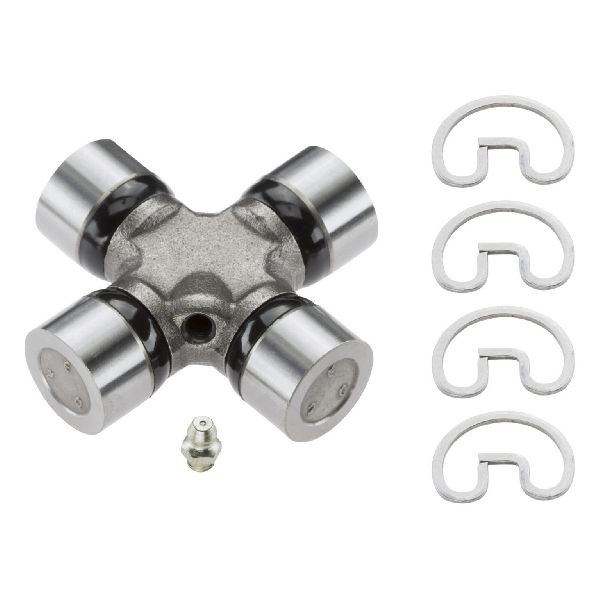
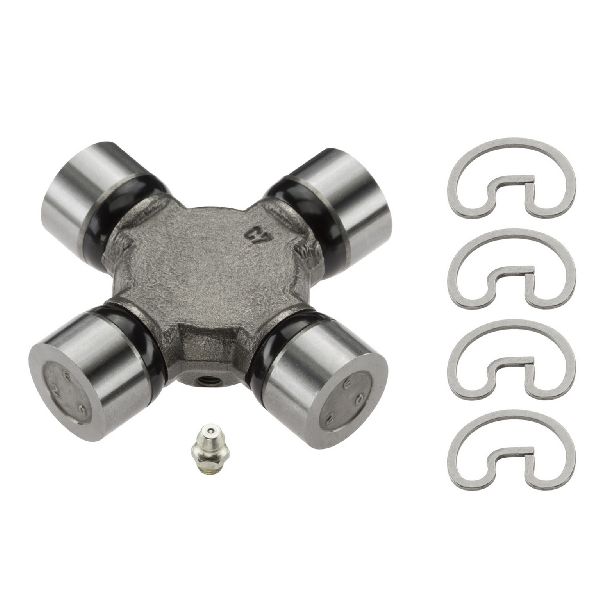
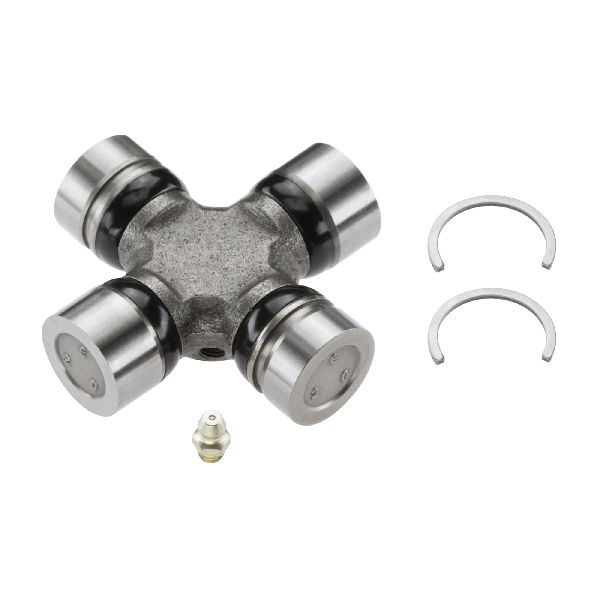
Unlike many vehicles that use simple clips, the original factory U-joints on these trucks were installed using an injected plastic method to hold the bearing caps in place. This means the first time a U-joint is replaced, the old plastic must be melted out with a torch before the joint can be pressed out. This makes the job more difficult than a standard U-joint replacement and is a key reason many owners take it to a shop. All aftermarket replacements use traditional snap rings.
Choosing the Right Aftermarket U-Joint
For a vehicle from this era, aftermarket parts are the go-to option. Quality varies, so it's important to choose a brand that will last. Here’s a breakdown of the available brands based on reputation and owner feedback.
Tier 1: Premium / Heavy-Duty
Dana Spicer Chassis: This is the gold standard. Spicer is an original equipment (OEM) supplier for many manufacturers and is widely considered the best choice for durability and strength. Many professional mechanics and experienced owners will use nothing else. Their non-greasable joints are often considered their strongest and most reliable option for a set-it-and-forget-it repair.
Yukon Gear & Axle: While known for high-performance and off-road parts, their U-joints are built for strength and can be a solid choice if you use your truck for heavy hauling or demanding tasks.
Tier 2: Quality Standard Replacement
Moog: Moog has a long history as a quality aftermarket brand, but recent opinions are mixed. While some have had good experiences, others report a decline in quality. They are generally considered a decent standard replacement but may not have the same bulletproof reputation as Spicer.
SKF: A well-respected bearing manufacturer, SKF produces reliable U-joints. They are a solid mid-tier choice and a good alternative if Spicer is not available.
Tier 3: Economy
GMB: GMB is a common aftermarket brand that offers a cost-effective solution. While they meet the basic requirements, they may not offer the same longevity as the premium brands, especially under heavy use.
Greasable vs. Non-Greasable U-Joints
You'll see both types available. Non-greasable (sealed) joints, like many factory ones, are filled with high-quality grease and sealed for life. They are typically stronger because the cross is solid metal. Greasable joints have a fitting (a zerk) that allows you to add new grease periodically. This can extend their life if maintained properly, but they are slightly weaker due to the grease channels drilled through the cross. For most Sonoma owners, a high-quality, non-greasable Spicer joint is the most durable and maintenance-free option.
Cost of Replacing a GMC Sonoma U-Joint
The cost depends on whether you do it yourself and which parts you choose. Remember, your truck may have two or three U-joints depending on the driveshaft configuration.
| Item | Estimated Cost |
|---|---|
| New Aftermarket U-Joint (Single) | $19 - $108 |
| Shop Labor Cost (per joint, approx.) | $100 - $250 |
| Total Professional Replacement (per joint) | $120 - $360 |
Costs are estimates and can vary by location and shop. The initial replacement may cost more due to the labor of removing the factory plastic-injected joints.
Frequently Asked Questions
How many U-joints does my 1991-1997 GMC Sonoma have?
It depends on your truck's configuration. Regular cab models usually have a one-piece driveshaft with two U-joints. Extended cab models often have a two-piece driveshaft with three U-joints and a center support bearing. Always inspect your vehicle to confirm the exact number before ordering parts.
Can I replace the U-joints myself?
This is a difficult job for a beginner. Removing the original factory joints requires a torch to melt the plastic retainers, plus a heavy-duty bench vise or a hydraulic press. If you don't have this equipment or experience, it's best left to a professional shop.
Were there any recalls for the U-joints on these trucks?
No. Searches of the National Highway Traffic Safety Administration (NHTSA) database show recalls for the 1991-1997 GMC Sonoma, but none are related to the universal joints or the driveshaft.
What happens if I don't replace a bad U-joint?
Ignoring a bad U-joint is extremely dangerous. The vibration will get worse and can damage the transmission seal or the differential pinion bearing. Ultimately, the joint can shatter, causing the driveshaft to detach. This can cause you to lose control of the truck, and the flailing driveshaft can cause massive damage to the undercarriage.
Technical Specifications
The most important technical detail is the original factory installation method using injected plastic retainers. Aftermarket replacements convert this to a standard internal or external clip design. The number of U-joints required (2 or 3) depends on whether the truck has a one-piece or two-piece driveshaft, which is typically tied to the cab and wheelbase length.
We Have This Part in Stock

The information in this article is provided for general reference and educational purposes only. Vehicle specifications, procedures, and part compatibility can vary by production date, trim level, and region. Always consult your vehicle's factory service manual and verify part numbers before purchasing or performing repairs. Safety-critical components such as airbags, seat belts, and braking systems should be installed by a qualified professional.
- GMC Sonoma:
- 🛍️ Shop This Part
- Is Your Sonoma's U-Joint Failing?
- A Unique Challenge on 1991-1997 Sonomas
- Choosing the Right Aftermarket U-Joint
- Tier 1: Premium / Heavy-Duty
- Tier 2: Quality Standard Replacement
- Tier 3: Economy
- Greasable vs. Non-Greasable U-Joints
- Cost of Replacing a GMC Sonoma U-Joint
- Frequently Asked Questions
- 🎟️ Get 5% Off