

Disc Brake Rotor Guide for 1991-1997 Honda Accord
Everything you need to know about choosing and replacing the disc brake rotors on your fourth or fifth-generation Accord.
- The 1991-1997 Accord has a complex "captive" front rotor design that makes replacement a labor-intensive job.
- Due to the high labor cost, it is strongly recommended to replace the front wheel bearings at the same time as the rotors.
- Brake pulsation is the most common sign of failure, indicating warped rotors.
- Quality aftermarket brands like Centric, Bosch, and Raybestos offer excellent performance and value for daily driving.
Understanding the Unique Front Rotors on Your Accord

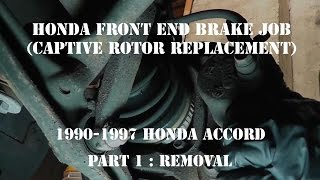
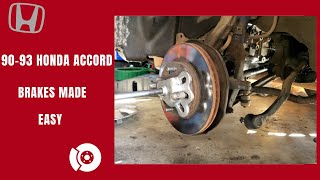
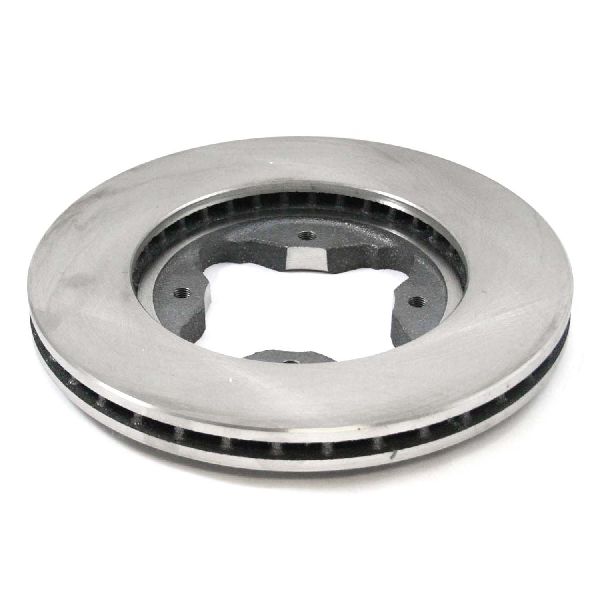
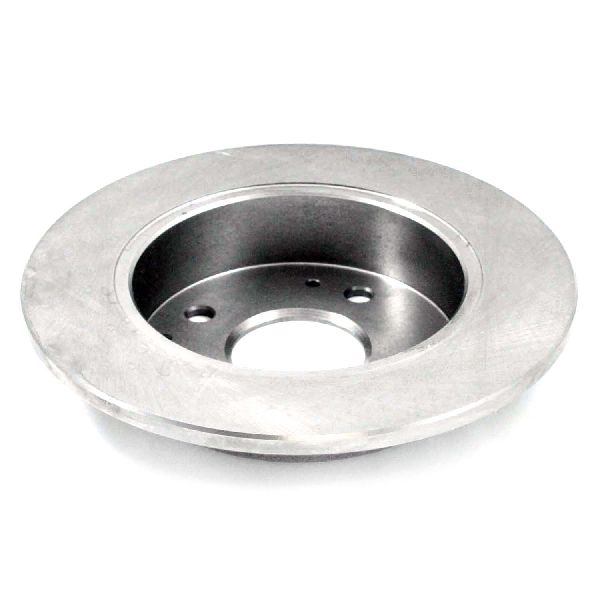
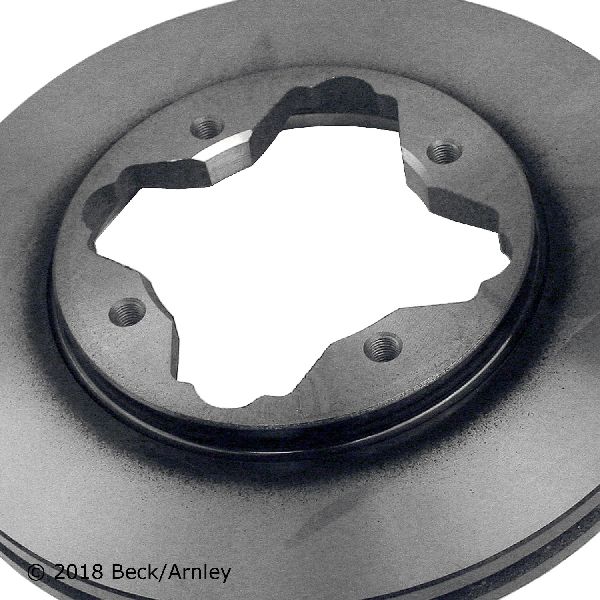
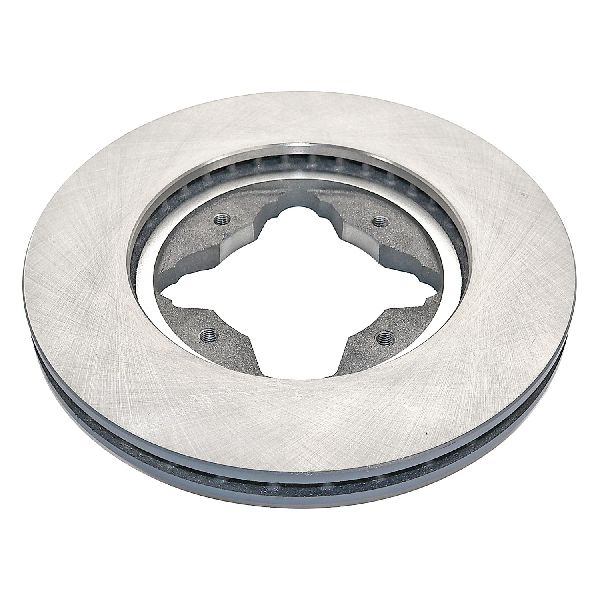
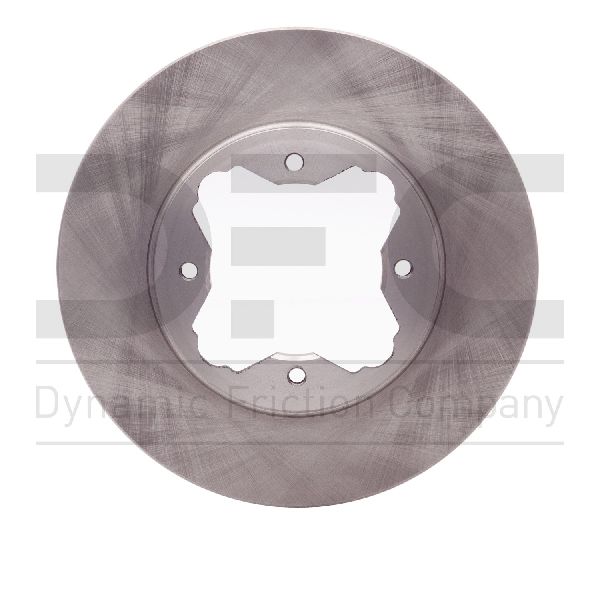
One of the most important things to know about the 1991-1997 Honda Accord is its front "captive" or "hub-over-rotor" design. Unlike most cars where the rotor slides off after removing the wheel and caliper, on these Accords, the rotor is bolted behind the wheel hub. This means the entire hub assembly must be removed from the steering knuckle to replace the front rotors, making the job significantly more labor-intensive than on later models. 🎬 Watch a detailed walkthrough of the captive rotor removal process. Because of this complexity, many owners choose to replace the front wheel bearings at the same time, since the hub has to be pressed out anyway. The rear rotors, if your Accord is equipped with them, follow a more conventional and easier-to-service design.
Symptoms of a Failing Disc Brake Rotor

Worn or warped rotors will give you clear warning signs. Ignoring them can lead to longer stopping distances and potential loss of control. Here’s what to look and listen for:
- Pulsating Brake Pedal: If you feel the brake pedal pulsing or vibrating under your foot during braking, it's a classic sign of a warped rotor. This happens when the rotor's surface becomes uneven from overheating.
- Steering Wheel Vibration: Along with a pulsating pedal, you may feel the steering wheel shake or shudder when you apply the brakes, especially at higher speeds. This is also caused by warped rotors.
- Grinding or Squealing Noises: A loud grinding sound means the brake pads are completely worn away, and now metal is grinding against metal. This will quickly destroy the rotor. A high-pitched squeal can also indicate worn pads or glazed rotors.
- Visible Grooves or Scoring: A visual inspection can reveal deep grooves or scoring on the rotor's surface. This reduces the contact area for the brake pads and diminishes stopping power.
Known Issues and Recalls
No specific recalls or widespread Technical Service Bulletins (TSBs) for disc brake rotors were found for the 1991-1997 Honda Accord during our search. However, brake pulsation from warped rotors is a commonly reported issue among owners, often attributed to the original rotor's material and design. Additionally, some ABS-equipped models can experience issues with the ABS module or sensors, which may trigger a warning light, but this is separate from the mechanical wear of the rotors themselves.
Choosing the Right Aftermarket Rotors for Your Accord

When shopping for new rotors, you'll find many brands available. While OEM Honda rotors are an option, many aftermarket brands offer comparable or even superior quality, often at a better price. Aftermarket rotors are designed to meet or exceed original equipment (OE) specifications.
Brand Tiers
- Premium Brands (Brembo, EBC Brakes, Hawk Performance): These brands are known for high-performance applications. While excellent, they may be overkill for a daily driven Accord unless you demand the absolute best stopping power. Brembo is noted as an OEM supplier for Honda in some cases.
- Quality Aftermarket (Centric, Bosch, Raybestos, Beck Arnley): This is the sweet spot for most Accord owners. Brands like Centric are frequently recommended in owner forums for their quality and value. Bosch QuietCast rotors are noted for their anti-rust coating, which means they can be installed without cleaning off shipping oil. 🎬 See why Bosch QuietCast is a top choice for Accords. These brands provide reliable, quiet performance for daily driving.
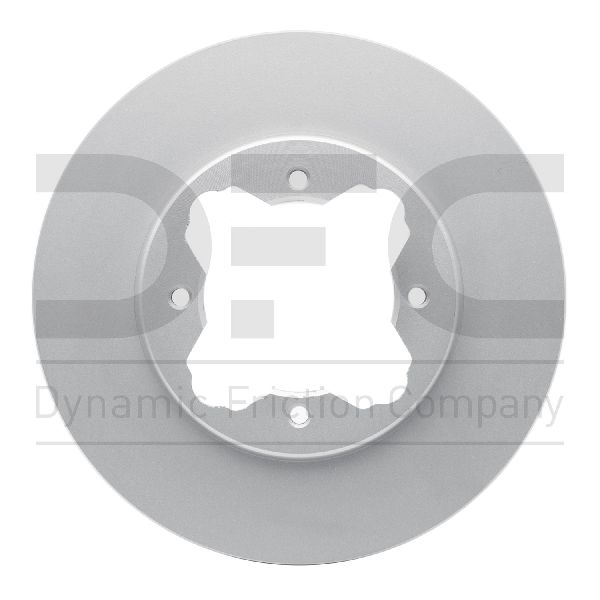
- Economy/Value Brands (Powerstop, Dynamic Friction, Pronto): These brands offer a cost-effective solution and are often sold in kits with pads. They are a good choice for budget-conscious repairs and are generally considered fine for normal daily driving.
Should You Choose Drilled or Slotted Rotors?
For a daily driven 1991-1997 Accord, standard smooth-faced (blank) rotors are the best choice. They offer quiet, consistent performance and are less expensive. Drilled and slotted rotors are designed for performance cars to dissipate heat and gases during aggressive track driving. On a street car, they can sometimes be noisier and may not provide a noticeable benefit, and lower-quality versions can be prone to cracking.
| Part | Price Range (Per Rotor) |
|---|---|
| New OEM Rotor | $85 - $130 |
| New Aftermarket Rotor | $38 - $125 |
| Shop Labor (Front Pair) | $250 - $450+ |
| Shop Labor (Rear Pair) | $100 - $200 |
Note: Labor costs for the front rotors are significantly higher due to the captive rotor design. Prices are estimates and will vary by location and specific product.
Frequently Asked Questions
Do I have to replace my wheel bearings when I replace my front rotors?
You don't have to, but it is highly recommended. The front rotor replacement requires pressing the wheel hub out of the bearing. This process can sometimes damage an older bearing, and since you've already done most of the labor, replacing the bearing at the same time is cost-effective preventative maintenance.
Should I replace brake pads and rotors at the same time?
Yes, it is always best practice to install new brake pads with new rotors. Putting old, worn pads on a new rotor will create an uneven wear pattern on the new rotor surface, reducing its lifespan and performance from day one.
🎬 Follow this step-by-step guide for replacing your front brakes.Can I just resurface my old rotors?
Resurfacing (also called "turning") is sometimes an option if the rotors are only slightly warped and still have enough thickness. However, with the low cost of new aftermarket rotors and the high labor cost to remove the front captive rotors, most owners and shops find it more practical and reliable to simply replace them.
What is the most common mistake when ordering rotors for this Accord?
The most common mistake is ordering the wrong part based on your Accord's specific trim level (DX, LX, EX), engine (4-cylinder vs. V6), and whether it has ABS. Different trims used different rotor sizes and rear brake types (disc vs. drum). Always verify your vehicle's specifications before ordering. For example, some EX and V6 models used larger 10.24-inch (260mm) rotors.
Helpful Videos
Technical Specifications
OEM Part Numbers: 42510-SV4-A00 42510-SM4-950 42510-SV1-A00 42510-SV4-J00
Front rotor replacement on 1991-1997 models requires removing the wheel hub assembly due to a 'hub-over-rotor' (captive) design. This is a significant job requiring specialized tools or a hydraulic press. Rotor diameters vary by trim, with some EX and V6 models using 10.24-inch (260mm) rotors. The front rotors are vented, while rear rotors (on applicable models) are solid. The hub is secured by a 36mm axle nut that must be unstaked and removed.
We Have This Part in Stock

The information in this article is provided for general reference and educational purposes only. Vehicle specifications, procedures, and part compatibility can vary by production date, trim level, and region. Always consult your vehicle's factory service manual and verify part numbers before purchasing or performing repairs. Safety-critical components such as airbags, seat belts, and braking systems should be installed by a qualified professional.
- Honda Accord:
- 🎬 Helpful Videos
- 🛍️ Shop This Part
- Understanding the Unique Front Rotors on Your Accord
- Symptoms of a Failing Disc Brake Rotor
- Known Issues and Recalls
- Choosing the Right Aftermarket Rotors for Your Accord
- Brand Tiers
- Should You Choose Drilled or Slotted Rotors?
- Frequently Asked Questions
- 🎟️ Get 5% Off