

Porsche 911 (964/993) Ignition Coil Guide: 1991-1998
Keep your air-cooled, twin-plug flat-six firing correctly by choosing the right ignition coils.
- Bosch is the original equipment brand and the most recommended choice for this vehicle.
- Always replace both ignition coils at the same time to ensure a balanced system and prevent future failures.
- For 1991-1994 (964) models, consider upgrading to the more reliable 993-style coil pack.
- Do not ignore symptoms; a bad coil can lead to expensive catalytic converter damage.
Symptoms of a Failing Ignition Coil
Ignition coils fail from age, heat, and vibration. When one of the two coils in your 911 begins to fail, you may notice subtle issues at first. Because the engine can still run on the other ignition circuit, problems might not be immediately obvious. Common symptoms include:
- Engine Misfires or Stuttering: The engine may hesitate, shake, or lose power during acceleration.
- Rough Idle: Your car may shudder or sound uneven when stopped.
- Reduced Power: Acceleration will feel sluggish as one set of spark plugs isn't firing effectively.
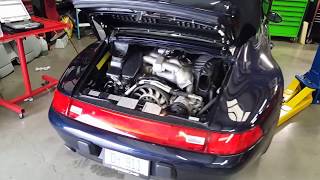
- Check Engine Light: On later 993 models (1996-1998) with OBD-II, a failing coil can trigger a Check Engine Light with misfire codes (P0300, P0301-P0306). 🎬 Watch: Diagnosing multiple cylinder misfires on a Porsche 993
- Difficulty Starting: The engine may take longer to start, especially when warm.
Can I Drive With a Bad Ignition Coil?
Driving with a failing ignition coil is not recommended. While the dual-ignition system may allow the car to run, unburnt fuel can wash past the piston rings and into the oil or overheat and damage the expensive catalytic converters. It's best to address the issue promptly to avoid more costly repairs.
Choosing the Right Aftermarket Ignition Coil
When shopping for a replacement, you have a few options. For a critical part like this, brand quality matters.
Brand Quality Tiers
- OEM-Equivalent (Best Choice): Bosch
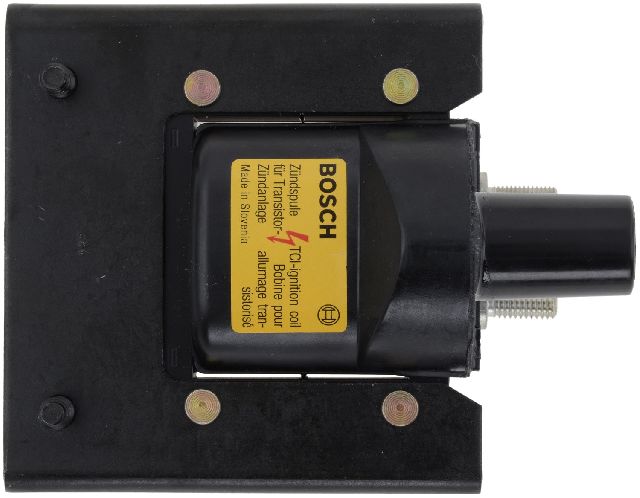
Bosch was the Original Equipment Manufacturer (OEM) for the 964 and 993 ignition systems. Choosing a Bosch coil is the safest bet for ensuring correct performance, fit, and voltage specifications. While some forum members have noted concerns about the quality of modern 'silver' Bosch coils compared to the original German-made 'black' ones, they remain the most trusted and recommended option. - Standard Aftermarket (Good Choice): Standard Ignition, Walker Products
Brands like Standard Ignition and Walker Products are established aftermarket manufacturers that produce parts designed to meet original specifications. They offer a more budget-friendly alternative to Bosch. While there is less direct feedback for these brands on 911s, they are generally considered reliable for daily use. However, for a high-performance, specialty vehicle, sticking with the OEM supplier (Bosch) is often worth the small price difference. - Economy Aftermarket (Use with Caution): Global Parts
This brand falls into the economy category. While it may offer the lowest price, the internal materials and quality control may not match those of higher-tier brands. Using a low-quality coil could lead to premature failure, poor performance, or even damage to other ignition components.
Pro Tip: The 964 to 993 Coil Conversion
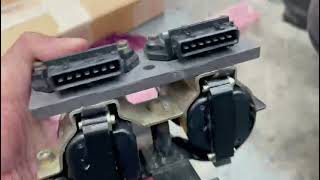
Owners of the 964 (1991-1994) have a popular and reliable upgrade path. The original 964 coils have a reputation for being troublesome over time. Many owners convert to the later, more robust 993-style coil pack. This is a straightforward modification that requires the 993 coil pack and new wire connectors but provides improved reliability.
🎬 See how to modify 964 ignition coils to the 993 typeReplacement Cost Comparison
Prices can vary based on brand and supplier. It is highly recommended to replace both ignition coils at the same time.
| Part Type | Estimated Cost (for a pair) |
|---|---|
| New OEM (Bosch) | $250 - $400 |
| New Aftermarket | $190 - $570 |
| Shop Labor | $200 - $350 |
Frequently Asked Questions (FAQ)
Should I replace both ignition coils at once?
Yes. Both coils have been exposed to the same conditions and have the same amount of wear. If one has failed, the other is likely to fail soon. Replacing them in pairs ensures balanced ignition performance and prevents you from having to do the same job twice.
What is the difference between 964 and 993 ignition coils?
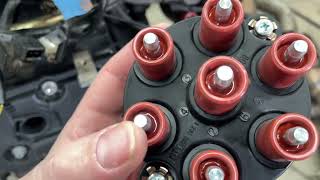
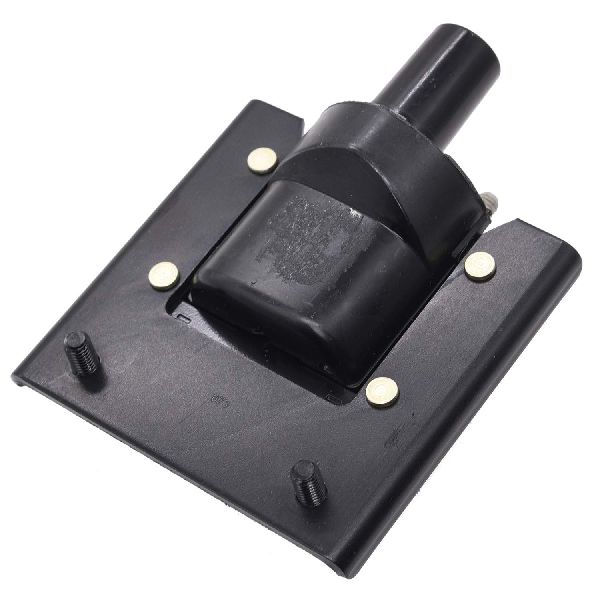
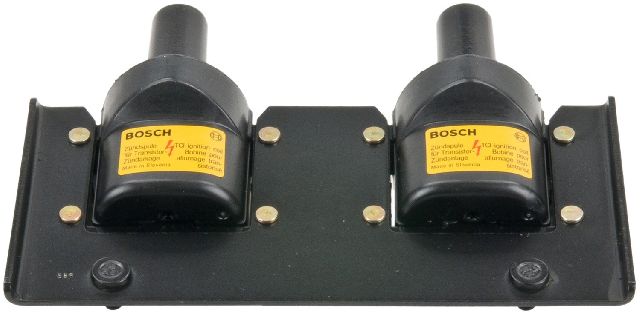
The 964 (1991-1994) uses two individual, cylindrical, oil-filled coils. The 993 (1995-1998) uses a more modern, compact, dual-output coil pack. The 993 design is generally considered more reliable, which is why it's a popular conversion for 964 owners.
Are there any recalls for the 1991-1998 Porsche 911 ignition coil?
No, there are no specific recalls from the NHTSA for ignition coils on the 1991-1998 Porsche 911 models.
Is replacing the ignition coils a DIY job?
Yes, for many owners this is a manageable DIY task. The coils are located in the engine bay and are accessible without major disassembly. The job requires basic hand tools and should take about one to two hours.
🎬 Watch this step-by-step walkthrough of a Porsche 911 coil replacementHelpful Videos
Technical Specifications
OEM Part Numbers: 94460211500 99360207100 99360207101
System Type: Dual Ignition, with two coils. 964 models use two individual canister-style coils. 993 models use one dual-output coil pack.
We Have This Part in Stock


The information in this article is provided for general reference and educational purposes only. Vehicle specifications, procedures, and part compatibility can vary by production date, trim level, and region. Always consult your vehicle's factory service manual and verify part numbers before purchasing or performing repairs. Safety-critical components such as airbags, seat belts, and braking systems should be installed by a qualified professional.
- Porsche 911: