

Toyota Corolla Knock Sensor Guide: 1991-1998 Models
Understanding knock sensor failure and choosing the right aftermarket replacement for your 7th generation Corolla.
- A bad knock sensor on a 1991-1998 Corolla will trigger a Check Engine Light (P0325) and cause poor performance and fuel economy.
- The sensor is located under the intake manifold, making replacement labor-intensive. Choose a high-quality brand (NGK, Delphi, Beck Arnley) to avoid doing the job twice.
- Ignoring a knock sensor code is risky; it leaves your engine unprotected from potentially damaging detonation.
- Always replace the sensor's wiring pigtail at the same time and use a torque wrench for proper installation.
Is Your Corolla's Knock Sensor Failing?
A bad knock sensor on your 1991-1998 Toyota Corolla will almost always turn on the Check Engine Light. When the engine's computer (ECU) doesn't get a signal from the sensor, it can't tell if the engine is knocking. To be safe, the ECU switches to a default, less aggressive ignition timing map. This protects the engine but leads to noticeable symptoms like sluggish acceleration, poor throttle response, and a drop in fuel economy. You will likely get a trouble code, most commonly P0325, which points to a circuit malfunction.
Choosing the Right Aftermarket Knock Sensor
The knock sensor on the 4A-FE and 7A-FE engines in this Corolla generation is located on the back of the engine block, underneath the intake manifold. This makes it a labor-intensive part to replace. Because of the difficult access, it's critical to choose a quality replacement part to avoid doing the job twice. While OEM is always an option, several aftermarket brands offer a good balance of quality and value.
Pro Tip: Replace the Pigtail Connector
The original plastic connector for the knock sensor can become brittle and break after decades of heat cycles. It's a wise investment to replace the short wiring harness (pigtail) that connects to the sensor at the same time you replace the sensor itself. This can prevent future connection issues.
Aftermarket Brand Tiers for Your Corolla
Not all aftermarket parts are created equal. Here’s a breakdown of the brands available, based on general reputation and owner feedback.
- Top Tier (OEM Quality): Brands like NGK (NTK) and Delphi are often original equipment suppliers to many automakers and have a strong reputation for sensor quality. Beck Arnley is also well-regarded, often sourcing parts from the original OEM manufacturer and rebranding them. Choosing a part from this tier is the safest bet for a long-lasting repair.
- Mid-Grade (Reliable Alternatives): Standard Motor Products (SMP) and Walker Products have been in the aftermarket business for a long time and generally produce reliable sensors that meet or exceed OE specifications. They offer a good combination of price and performance.
- Economy (Budget-Focused): Brands like URO Parts and other unbranded or store-brand parts are typically the most affordable. While they may come with warranties, their long-term reliability can be inconsistent. For a part that is difficult to access like this knock sensor, an economy part can be a gamble that results in paying for the same labor twice if it fails prematurely.
A Note on Counterfeits
Be cautious when buying sensors from online marketplaces. There are reports of counterfeit parts being sold in what looks like genuine packaging. Buying from a reputable auto parts source helps ensure you are getting a legitimate, quality component.
Cost of Replacement
The cost to replace the knock sensor can vary significantly based on whether you do it yourself or have a shop do it. The part itself is relatively inexpensive, but the labor is where the cost adds up due to its location.
| Item | Estimated Cost |
|---|---|
| New Aftermarket Sensor | $38 - $167 |
| New OEM Sensor | $150 - $210 |
| Shop Labor | $100 - $250 |
| Total Professional Replacement | $250 - $420+ |
Frequently Asked Questions
Where is the knock sensor located on a 1991-1998 Corolla?
The knock sensor is bolted to the back of the engine block, underneath the intake manifold assembly. On 4-cylinder engines, it's often placed centrally to monitor all cylinders. Accessing it typically requires removing the intake manifold, which makes it a more involved job.
What is engine knock or detonation?
Engine knock is an uncontrolled explosion of the air/fuel mixture inside the cylinder, rather than a smooth, controlled burn. It creates a distinct "pinging" or "knocking" sound and can cause serious engine damage if left unchecked. The knock sensor's job is to detect this and signal the computer to make adjustments before damage can occur.
Can I just ignore a P0325 knock sensor code?
No. While the car will run, the ECU is operating in a "safe mode" with retarded timing. This means you'll have poor acceleration and bad fuel economy. More importantly, without a working sensor, the ECU has no way of detecting real engine knock if it occurs, which could lead to severe engine damage.
Why is it so important to torque the knock sensor correctly?
A knock sensor is a sensitive microphone that works by detecting specific vibrations. If the bolt is too loose, it won't make good contact with the engine block and can't detect knock properly. If it's too tight, the sensor's internal piezoelectric crystal can be damaged or stressed, leading to false signals or premature failure. Always use a torque wrench and tighten to the factory specification.
Technical Specifications
OEM Part Numbers: 89615-12090 89615-12050 89615-32010 89615-12040
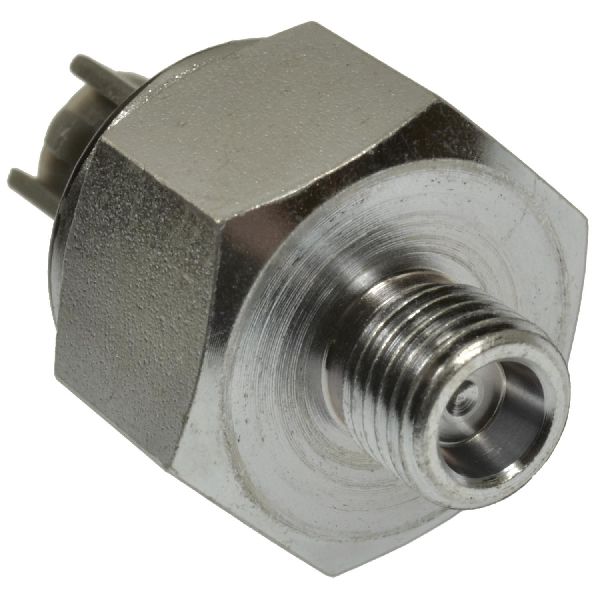
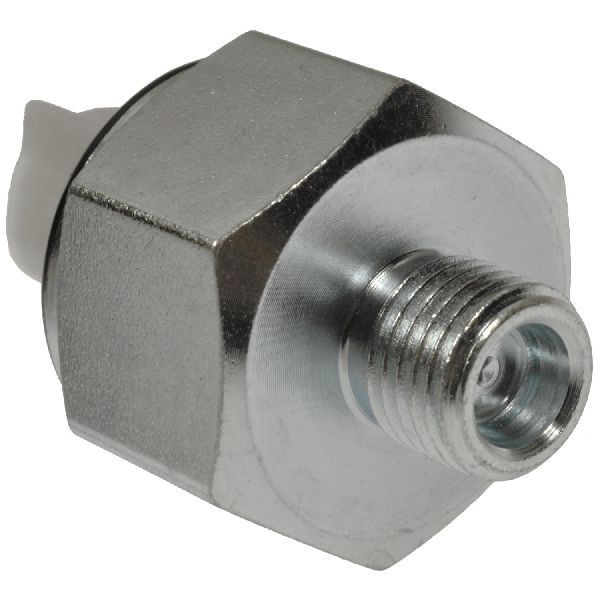
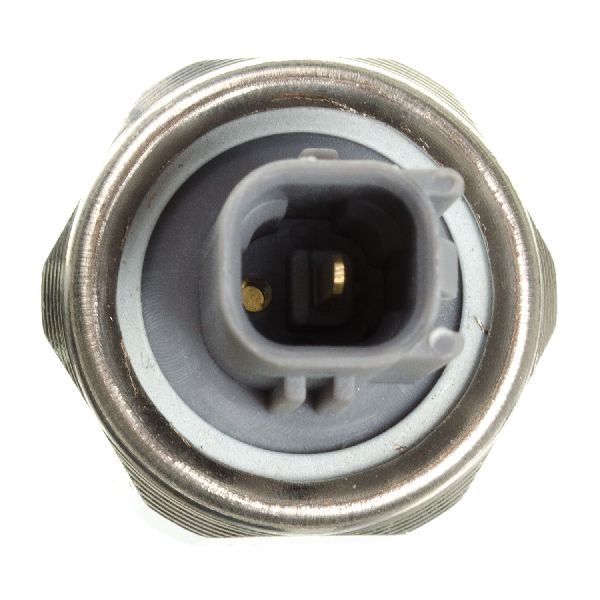
Single bolt mount, 2-pin connector. The sensor is a piezoelectric crystal designed to detect specific engine knock frequencies. Correct torque on the mounting bolt is critical for proper function.
We Have This Part in Stock


The information in this article is provided for general reference and educational purposes only. Vehicle specifications, procedures, and part compatibility can vary by production date, trim level, and region. Always consult your vehicle's factory service manual and verify part numbers before purchasing or performing repairs. Safety-critical components such as airbags, seat belts, and braking systems should be installed by a qualified professional.
- Toyota Corolla: