

Choosing the Right Ignition Coil for Your 1991-1998 Volkswagen Jetta
Keep your Jetta's engine firing correctly with a reliable new aftermarket ignition coil.
- A failing ignition coil will cause noticeable issues like misfires, rough idling, and poor acceleration.
- For a reliable repair, choose premium aftermarket brands like Bosch, Hella, or Delphi, which are often OEM suppliers.
- This is a simple DIY replacement for 4-cylinder models, requiring basic tools and less than an hour of work.
- Always check that you are buying the correct coil for your specific engine (4-cylinder vs. VR6) and year.
- While you're replacing the coil, it's a good idea to inspect your spark plugs and wires for wear.
Symptoms of a Failing Ignition Coil
When your Jetta's ignition coil starts to fail, it will give you clear warning signs. Ignoring them can lead to more significant engine problems, like damage to your catalytic converter. Be aware of these common symptoms:
- Engine Misfires: The engine may sputter, shake, or hesitate, especially when you accelerate. This feels like the engine is stumbling.
- Rough Idle: Your car may vibrate or shake noticeably when stopped at a light or in park.
- Poor Acceleration: The car will feel sluggish and lack power when you press the gas pedal.
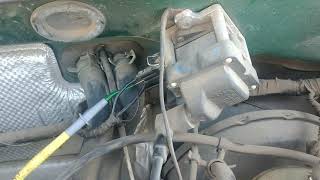
- Check Engine Light: A failing coil will often trigger the check engine light. Common codes include P0300 (random misfire) or codes P0301 through P0304, indicating a misfire in a specific cylinder. 🎬 Watch: How to test the ignition coil on a 2.0 Jetta
- Difficulty Starting or Stalling: The engine may be hard to start, or it might stall unexpectedly while driving.
- Worse Gas Mileage: When the engine isn't running efficiently due to misfires, it burns more fuel.
A Note on Jetta Generations
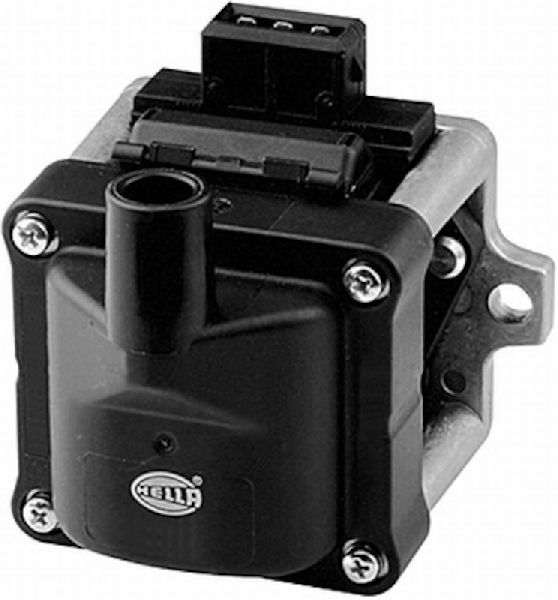
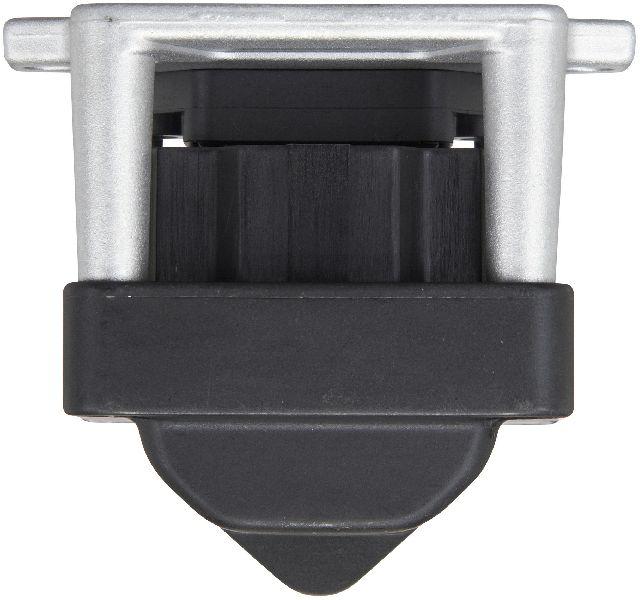
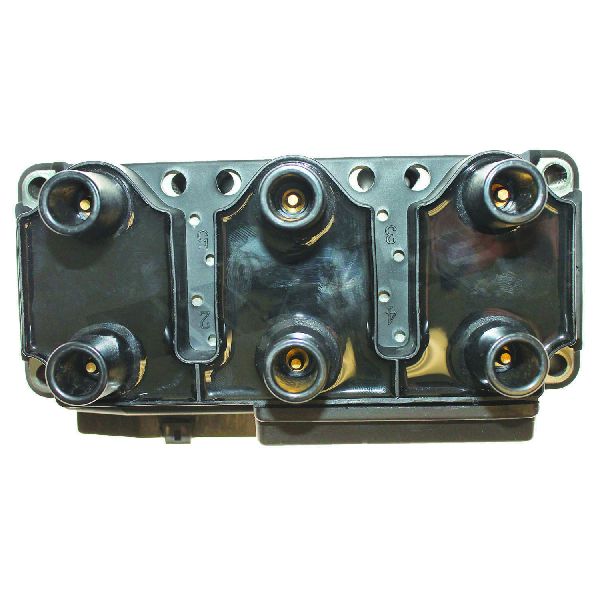
This guide covers two Jetta generations: the Mk2 (1991-1992) and Mk3 (1993-1998). For 4-cylinder engines (like the common 1.8L and 2.0L ABA), the ignition system uses a single, canister-style ignition coil that sends power to a distributor. 🎬 See how to tell if your coil or distributor is failing Jetta models with the VR6 engine use a different setup called a coil pack, which is a separate part. This guide focuses on the more common single canister coil.
Choosing the Right Aftermarket Ignition Coil
For a vehicle of this age, aftermarket parts are a practical choice. OEM parts can be expensive or hard to find. However, quality varies greatly. It's best to avoid the cheapest options, as they often lead to the same problems repeating in a short time. Here’s how the available brands generally stack up:
- Premium Aftermarket (OEM-Equivalent): Brands like Hella, Bosch, and Delphi are often original equipment manufacturers for Volkswagen. They offer high-quality parts known for reliability and are a safe bet for long-term performance. Denso is another top-tier brand known for its quality ignition components.
- Quality Aftermarket: Brands like Standard Ignition (SMP), Beck Arnley, and Hitachi offer a good balance of price and quality. They are generally reliable and a solid choice for most owners. Beck Arnley is often known for rebranding OEM parts.
- Economy Brands: Brands like URO Parts, Prenco, and others in the lower price range can be a gamble. While some users have success, others report premature failures. These are best considered for a temporary fix or if budget is the absolute primary concern.
Pro Tip: When replacing your ignition coil, it's also a great time to inspect or replace your spark plugs and spark plug wires. Worn plugs can strain the new coil, causing it to fail sooner.
Replacement Cost
The cost to replace the ignition coil on a 1991-1998 Jetta is reasonable. The part itself is affordable, and labor is minimal for a professional mechanic.
| Item | Estimated Cost |
|---|---|
| New Aftermarket Ignition Coil | $29 - $165 |
| Shop Labor | $50 - $100 |
| Total Estimated Cost | $79 - $265 |
Frequently Asked Questions
Can I drive with a bad ignition coil?
It is not recommended. Driving with a bad coil means your engine is misfiring, which can cause unburned fuel to enter and damage your expensive catalytic converter. It also leads to poor performance and is unsafe if the car stalls in traffic.
Is replacing the ignition coil a DIY job?
Yes, for most people with basic tools. On these Jetta models, the coil is typically mounted on the firewall or fender well and is easy to access. It involves disconnecting the electrical connector and high-tension wire, unbolting the old coil, and bolting the new one in place. It usually takes less than an hour.
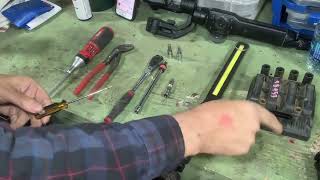
🎬 Watch this walkthrough for a typical VW ignition coil replacementWere there any recalls for the ignition coil on these Jettas?
No specific recalls for the ignition coil itself were found for the 1991-1998 Jetta range. However, there was a recall on later models (2001-2003) for ignition coil issues, but this does not apply to the years covered in this guide.
Should I replace all ignition coils at once?
The 4-cylinder Jettas from this era only have one main ignition coil, so you only need to replace that single part. This is different from modern cars that have an individual coil for each spark plug. VR6 models have a single coil pack, which is also replaced as one unit.
Helpful Videos
Technical Specifications
OEM Part Numbers: 357905105
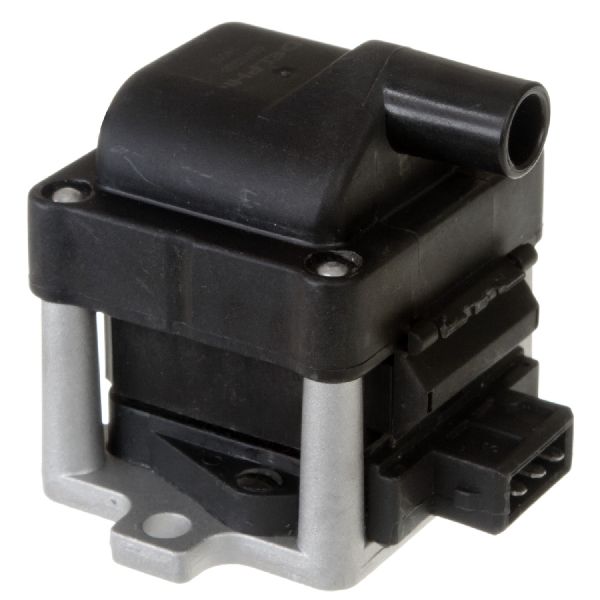
This vehicle range primarily uses a single, canister-style ignition coil with a 3-pin connector for vehicles equipped with a distributor. It is a transformer that converts 12V to high voltage for the spark plugs. VR6 models use a different coil pack design.
We Have This Part in Stock


The information in this article is provided for general reference and educational purposes only. Vehicle specifications, procedures, and part compatibility can vary by production date, trim level, and region. Always consult your vehicle's factory service manual and verify part numbers before purchasing or performing repairs. Safety-critical components such as airbags, seat belts, and braking systems should be installed by a qualified professional.
- Volkswagen Jetta: