

A Ford Mechanic's Guide to 1991-1999 Explorer Brake Pads
Stop wasting money on the wrong parts and find the best brake pads for your Explorer's needs and budget.
- For 1991-1994 models, be aware of the master cylinder-to-booster recall (96V024001) as it is a critical safety issue.
- For most owners, a quality ceramic or semi-metallic pad from brands like Bosch, Wagner, or Akebono offers the best balance of performance and value.
- When replacing pads, always clean and lubricate the caliper slide pins to prevent uneven wear and brake pulling.
- If you hear grinding, stop driving immediately. You are damaging your rotors and compromising your safety.
Is Your Explorer Telling You It Needs New Brakes?
Your truck will give you clear signs when the brake pads are worn out. Ignoring them can lead to more expensive repairs, like needing new rotors or calipers. Listen and feel for these common symptoms:
- Squealing or Screeching: This high-pitched noise is often the first sign. It's caused by a small metal tab called a wear indicator touching the rotor, telling you it's time for a change.
- Grinding Noise: A loud, harsh grinding or growling means the brake pad material is completely gone. This is a critical warning, as it's now metal-on-metal contact, which quickly destroys your brake rotors.
- Vibration or Pulsing: If you feel a pulsing in the brake pedal or a vibration in the steering wheel when you brake, your rotors may be warped from heat, or pad material may have transferred unevenly.
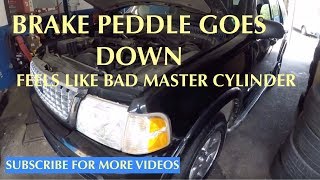
- Spongy or Soft Pedal: If the brake pedal feels mushy or goes closer to the floor than usual, it could mean worn pads, air in the brake lines, or a failing master cylinder. 🎬 See how a failing master cylinder affects your brake pedal.
- Pulling to One Side: When your Explorer pulls to the left or right during braking, it often points to a problem with a caliper or unevenly worn pads.
Known Issues for 1991-1999 Ford Explorers
Recall Notice for 1991-1994 Models
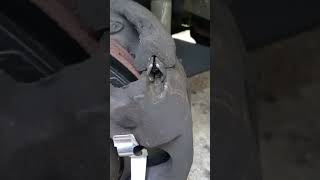
🎬 Watch this step-by-step front brake replacement for 1991-1994 models.There was a significant safety recall (NHTSA Campaign ID: 96V024001) for 1991-1994 Ford Explorers. The studs that attach the brake master cylinder to the power brake booster could crack and fail, potentially causing a complete loss of service brakes. The official remedy was to replace the power brake vacuum booster assembly. While this isn't a brake pad issue, it's a critical safety check for any owner of these model years.
Owners of early Explorers have also reported a "spongy" or soft brake pedal feel and brakes that seem to stick or lock up. While this can be caused by worn pads, it can also be related to old brake fluid, a failing Rear Anti-lock Brake System (RABS) valve, or sticking caliper slide pins. When replacing your pads, it is essential to clean and lubricate the caliper slide pins to ensure they move freely.
Aftermarket vs. OEM Motorcraft Pads
For an older truck like the 1991-1999 Explorer, you don't need to buy parts from the dealer to get good quality. The original pads were made by Motorcraft, Ford's own parts brand. They are a safe bet, but you can often get better performance or better value from an aftermarket brand.
- OEM Motorcraft: These pads are designed to be quiet and provide the same performance your truck had when it was new. They are a reliable, no-fuss option, but can cost more than aftermarket choices.
- Aftermarket Pads: The quality here ranges from poor to excellent. Cheap, generic pads often don't fit well, wear out fast, and can be noisy. However, reputable aftermarket brands often provide pads that are equal to or better than OEM for a similar or lower price.
Choosing the Right Aftermarket Pads for Your Explorer
With so many brands, it's best to think in tiers. Your choice depends on your budget and how you use your truck.
Tier 1: Performance & Heavy-Duty
For towing, hauling, or just wanting the best stopping power possible. These pads handle heat better and resist brake fade during hard use.
- EBC Brakes: A top-tier performance brand. Their different color-coded pads (Greenstuff, Yellowstuff, etc.) offer various levels of performance, though some aggressive pads may wear faster.
- Powerstop: Very popular for truck and SUV owners. Their Z36 Truck & Tow and Z23 Evolution Sport kits often come with upgraded rotors and are known for providing great stopping power for a reasonable price.
- Brembo: A world-renowned name in braking, Brembo offers premium pads that provide excellent performance.
Tier 2: Quality Daily Driver
This is the sweet spot for most Explorer owners. These brands offer excellent, quiet, and reliable performance that meets or exceeds OEM standards, often with less brake dust.
- Bosch QuietCast: A highly recommended option known for being very quiet, producing low dust, and providing smooth, consistent stopping power.
- Wagner OEX / ThermoQuiet: Wagner is a well-respected brand. Their OEX line is specifically designed for trucks and SUVs, while the ThermoQuiet pads are a solid all-around choice for quiet, dependable braking.
- Akebono: As a major manufacturer of original ceramic pads, Akebono offers premium aftermarket replacements known for their long life and clean, quiet operation.
- Centric: Offers a wide range of pads, including their Posi Quiet and C-TEK lines, providing reliable OE-style performance.
Tier 3: Economy
These pads meet basic safety requirements and are the most affordable. They are fine for a vehicle that isn't driven hard or often, but they may not last as long or be as quiet as higher-tier options.
- Brands like Pronto, Dynamic Friction, and Total Stopping Solutions fit here. They offer a functional, low-cost replacement to get your truck back on the road safely.
Estimated Costs for Brake Pad Replacement
| Part / Service | Estimated Cost |
|---|---|
| Aftermarket Pad Set (per axle) | $21 - $99 |
| OEM Motorcraft Pad Set (per axle) | $50 - $120 |
| Shop Labor (per axle) | $100 - $200 |
| DIY Total (Pads Only) | $21 - $99 |
| Shop Total (Pads & Labor) | $121 - $299 |
Pro Tip: Always consider replacing your brake rotors at the same time as your pads, especially if they are vibrating, heavily grooved, or near their minimum thickness specification. Putting new pads on old, worn rotors can cause noise and reduce performance.
Frequently Asked Questions
What's the difference between ceramic and semi-metallic pads?
Ceramic pads are made from dense ceramic materials and are known for being very quiet and producing a fine, light-colored dust that doesn't stick to wheels. They offer great performance for daily driving. Semi-metallic pads contain metal fibers, which help dissipate heat and provide more "bite." They are excellent for heavy-duty use like towing but can be noisier and produce more dust than ceramics.
Do I need to replace my rotors with my pads?
Not always, but it's highly recommended, especially on an older vehicle. If your rotors are smooth, thick, and not warped, you might get away with just a pad slap. However, for the best performance and to avoid issues like noise and vibration, installing new pads and rotors together is the best practice. Most brake pad kits from brands like Powerstop come with new rotors.
How often should I change my Explorer's brake pads?
Brake pad life varies greatly depending on the pad material and your driving habits, typically lasting between 30,000 and 70,000 miles. If you do a lot of city driving with frequent stops, they will wear out faster than if you primarily drive on the highway.
Is it hard to change the brake pads on a 1991-1999 Explorer myself?
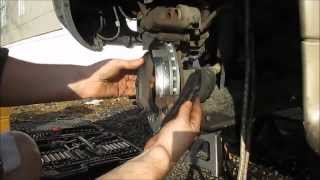
No, this is a great job for a beginner or intermediate DIYer. The process is straightforward and requires basic hand tools, a jack, and jack stands for safety. You will need a C-clamp or a brake piston tool to compress the caliper pistons to make room for the new, thicker pads. There are many step-by-step videos online for this specific generation of Explorer.
🎬 Watch a complete walkthrough for replacing your pads and rotors.Helpful Videos
Technical Specifications
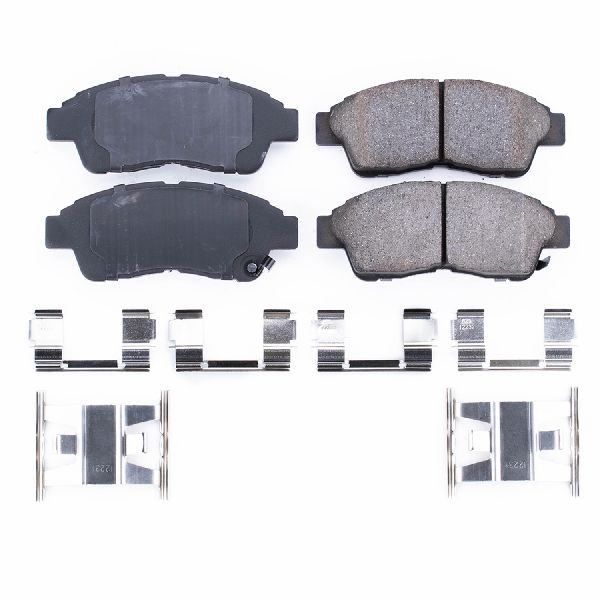
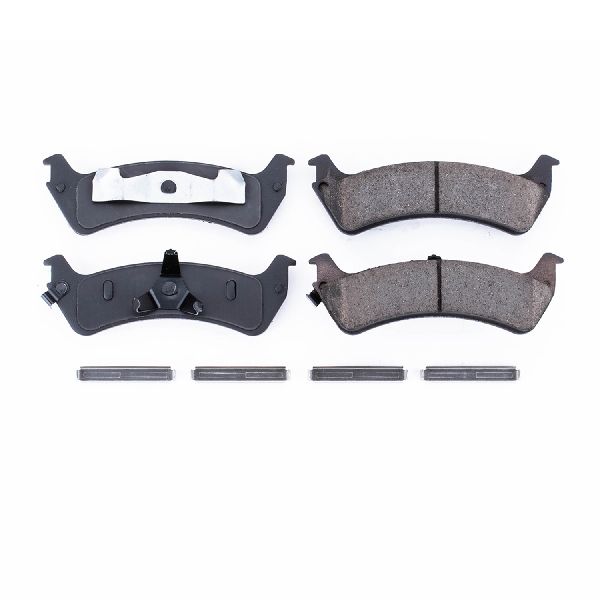
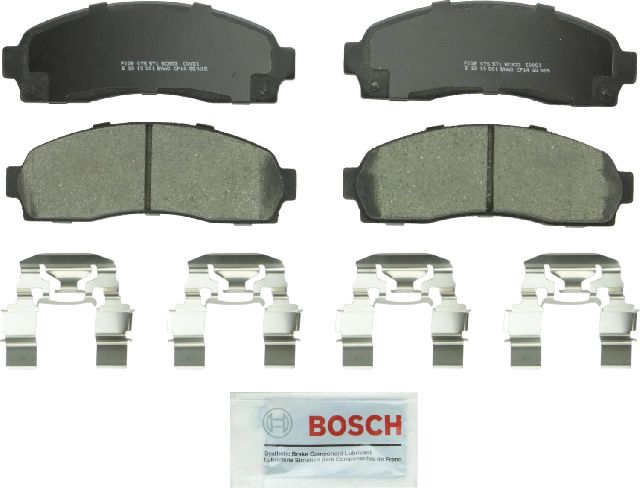
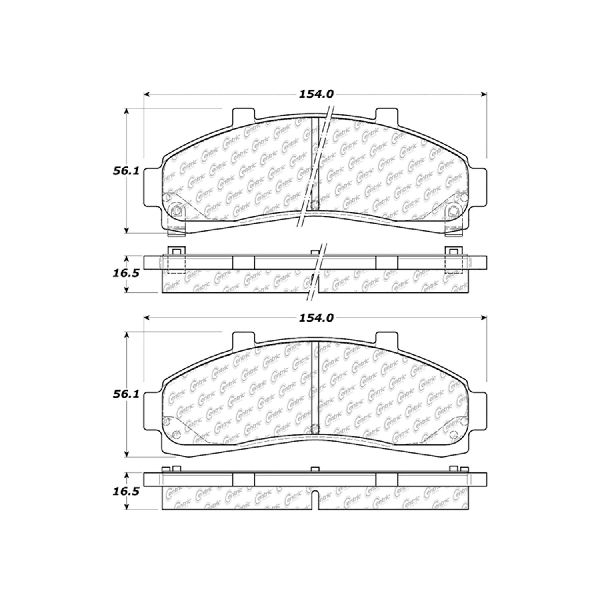
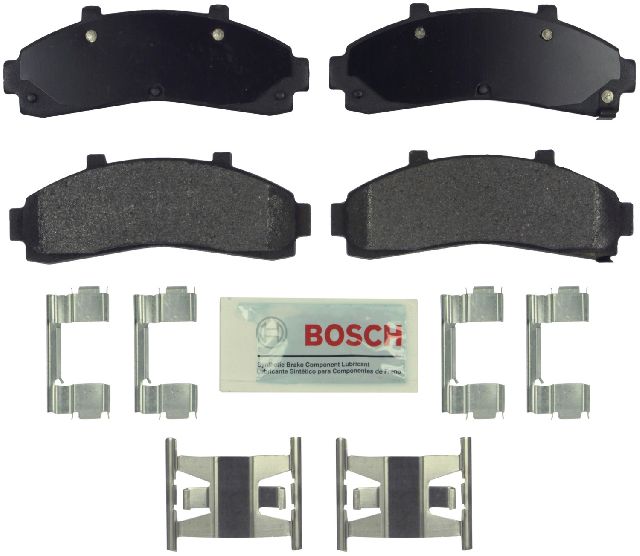
Brake pad material is typically either ceramic or semi-metallic. The choice depends on driving style and preference for noise/dust levels. The front and rear brakes use different pads. Ensure you are buying the correct part for your specific year and for the front or rear axle.
We Have This Part in Stock

The information in this article is provided for general reference and educational purposes only. Vehicle specifications, procedures, and part compatibility can vary by production date, trim level, and region. Always consult your vehicle's factory service manual and verify part numbers before purchasing or performing repairs. Safety-critical components such as airbags, seat belts, and braking systems should be installed by a qualified professional.
- Ford Explorer:
- 🎬 Helpful Videos
- 🛍️ Shop This Part
- Is Your Explorer Telling You It Needs New Brakes?
- Known Issues for 1991-1999 Ford Explorers
- Recall Notice for 1991-1994 Models
- Aftermarket vs. OEM Motorcraft Pads
- Choosing the Right Aftermarket Pads for Your Explorer
- Tier 1: Performance & Heavy-Duty
- Tier 2: Quality Daily Driver
- Tier 3: Economy
- Estimated Costs for Brake Pad Replacement
- Frequently Asked Questions
- 🎟️ Get 5% Off