

Ford Explorer Engine Oil Pressure Switch Guide (1991-1999)
Understanding the oil pressure switch in your first or second generation Ford Explorer.
- A flickering or zeroed-out oil gauge is the most common symptom of a bad switch on a 1991-1999 Explorer.
- Always treat a low oil pressure warning as a serious threat to your engine until you can confirm it's just the switch.
- For reliability, spending a little more on a Motorcraft or Standard Ignition switch is a wise investment over budget brands.
- This is a simple, low-cost DIY repair that most owners can complete in under an hour with basic tools.
Is Your Oil Pressure Gauge Acting Strange?
A common point of failure on the 1991-1999 Ford Explorer is the engine oil pressure switch. For this generation of Explorer, the switch often acts more like an on/off signal than a true variable gauge. It tells the dashboard gauge to read in the 'normal' range as long as it sees a minimum amount of pressure (around 5-7 PSI). When the switch fails, it can give false readings, causing unnecessary worry or, worse, failing to warn you of a real problem.
Common Failure Symptoms
- Flickering Oil Gauge/Light: The gauge needle may bounce around erratically, or the oil light might flicker, especially at idle or during stops.
- Gauge Reads Zero: The oil pressure gauge may suddenly drop to zero or not move at all when you start the engine.
- Oil Light Stays On: The red oil warning light on your dash may stay illuminated, even if the oil level is correct.
- Oil Leaks: The switch itself can develop leaks. You might see oil residue on the sensor or drips on the ground below the engine.
Choosing a New Aftermarket Oil Pressure Switch
When it's time to replace the switch, you have a choice between OEM (Motorcraft) and several aftermarket brands. For a part this critical, quality matters.
- Top Tier (OEM-Equivalent): Motorcraft is the original Ford part and is widely considered the most reliable option. Owners and mechanics report the longest life and most accurate performance from Motorcraft. Standard Ignition (SMP) is a well-regarded aftermarket brand that often serves as a reliable alternative to OEM.
- Mid-Grade: Brands like Hella and Facet offer a balance of price and quality. They are generally considered dependable for daily use but may not have the same long-term durability as the top-tier options.
- Value-Oriented: Brands like True Tech and Global Parts are budget-friendly. While they will function, be aware that lower-priced switches have a higher reported rate of premature failure. They might be a temporary fix, but for long-term peace of mind, investing a few extra dollars in a higher-quality brand is recommended.
Pro Tip: Many experienced Explorer owners recommend sticking with Motorcraft for electronic sensors like this one to avoid replacing it again in a year. Counterfeit parts can be an issue on large online marketplaces, so buy from a reputable auto parts source.
Typical Replacement Costs
Replacing the oil pressure switch is an affordable repair, whether you do it yourself or take it to a shop.
| Part Type | Cost |
|---|---|
| New Aftermarket Part | $7.35 - $35.75 |
| New OEM (Motorcraft) Part | $25 - $50 |
| Shop Labor | $50 - $100 |
Frequently Asked Questions
Where is the oil pressure switch located?
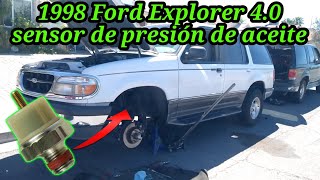
The location depends on your engine. For the 4.0L V6, it's typically on the lower left (driver's side) front of the engine block, sometimes below the A/C compressor. 🎬 See this walkthrough for replacing the sensor on a 4.0L engine For the 5.0L V8, it is usually found on the driver's side of the engine, near the power steering pump. Access is often easiest from underneath the vehicle or through the driver's side wheel well.
Is this a difficult part to replace myself?
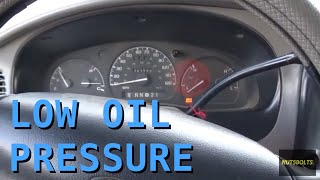
No, this is a great DIY job for beginners. 🎬 Watch: How to diagnose and replace your oil pressure switch It usually involves unplugging the single wire, using a special deep socket (an oil pressure switch socket) or a wrench to unscrew the old switch, and then screwing the new one in. The most difficult part is often just reaching it. The job typically takes less than an hour.
My gauge reads zero. Should I be worried?
Yes. While it's very likely a bad switch, you should always treat a zero oil pressure reading as a real emergency until you prove otherwise. A running engine with no oil pressure will be destroyed in minutes. If the gauge drops to zero and the engine starts making knocking or ticking noises, shut it off immediately.
What's the difference between a 'switch' and a 'sender'?
For this Explorer, the terms are often used interchangeably. Technically, a 'switch' is on/off, which is how the factory gauge works. A true 'sender' provides a variable signal for a more precise gauge reading. The parts available for this truck are almost all switches, designed to work with the factory 'dummy' gauge.
Helpful Videos
Technical Specifications
OEM Part Numbers: E9SZ-9278-A 1U5Z-9278-DA SW5267
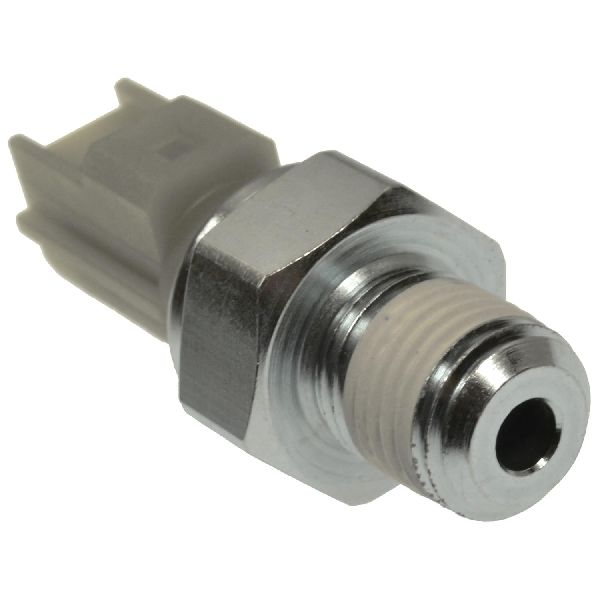
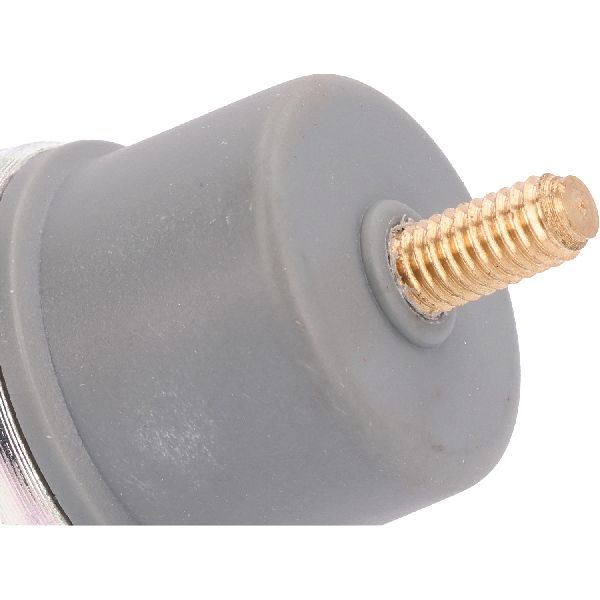
Typically a single-pin connector. Thread size and socket size can vary, so it's best to check the replacement part. A common socket size is 1-1/16 inch.
We Have This Part in Stock



The information in this article is provided for general reference and educational purposes only. Vehicle specifications, procedures, and part compatibility can vary by production date, trim level, and region. Always consult your vehicle's factory service manual and verify part numbers before purchasing or performing repairs. Safety-critical components such as airbags, seat belts, and braking systems should be installed by a qualified professional.
- Ford Explorer: