

Ford Explorer A/C Clutch Cycle Switch Guide (1991-2000)
If your Explorer's A/C isn't blowing cold, this small switch is a common cause and an easy fix.
- A faulty A/C clutch cycle switch is a common reason for A/C failure on a 1991-2000 Explorer.
- Symptoms often mimic a bad compressor but the switch is a much cheaper and easier part to replace.
- Replacement is very DIY-friendly and usually does not require evacuating the A/C system due to a Schrader valve.
- Before replacing the switch, consider that symptoms like rapid cycling can also be caused by low refrigerant.
Is Your Explorer's A/C Acting Up? Check the Clutch Cycle Switch.
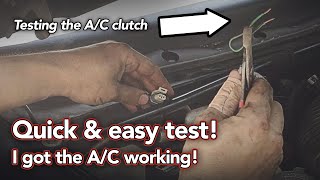
If the air conditioning in your 1991-2000 Ford Explorer is blowing warm, not working at all, or turning on and off randomly, a faulty A/C clutch cycle switch is a likely suspect. This small, inexpensive sensor plays a huge role in controlling your A/C compressor. When it fails, it can mimic more serious problems like a bad compressor, but the fix is much simpler and cheaper. 🎬 Watch this 1991 Explorer A/C repair walkthrough This guide will help you understand the symptoms, choose the right replacement part, and know what to expect from the repair.
Common Symptoms of a Bad A/C Switch
A failing A/C clutch cycle switch can cause several noticeable problems. The most common sign is when your A/C system stops blowing cold air entirely. You might also experience intermittent cooling, where the A/C works for a while and then suddenly stops. Pay attention to the A/C compressor itself (the belt-driven component in the engine bay). If the center part of the compressor pulley (the clutch) never spins, the switch may not be sending the signal to turn it on. Conversely, if you hear a rapid clicking from the engine bay and notice the compressor turning on and off every few seconds, this is called "short cycling" and can also point to a bad switch or low refrigerant.
Don't Mistake It for a Bad Compressor
Many of the symptoms of a bad clutch cycle switch—especially a compressor that won't engage—are the same as a failed A/C compressor. Because this switch is affordable and easy to replace, it's often a smart first step in diagnosing an A/C problem before assuming a more expensive component has failed.
Choosing a New Aftermarket Switch: Brand Tiers
For the 1991-2000 Explorer, you have a few good options for a new aftermarket A/C clutch cycle switch. Here’s how they generally stack up:
- Motorcraft: This is Ford's own brand, so a Motorcraft switch is the original equipment (OEM) part. It guarantees a perfect fit and the same performance and durability as the part your Explorer came with from the factory. It is the most expensive option but is the benchmark for quality.
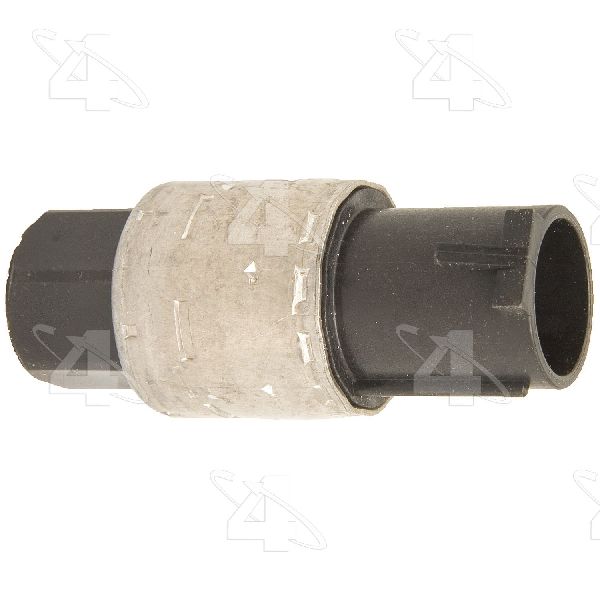
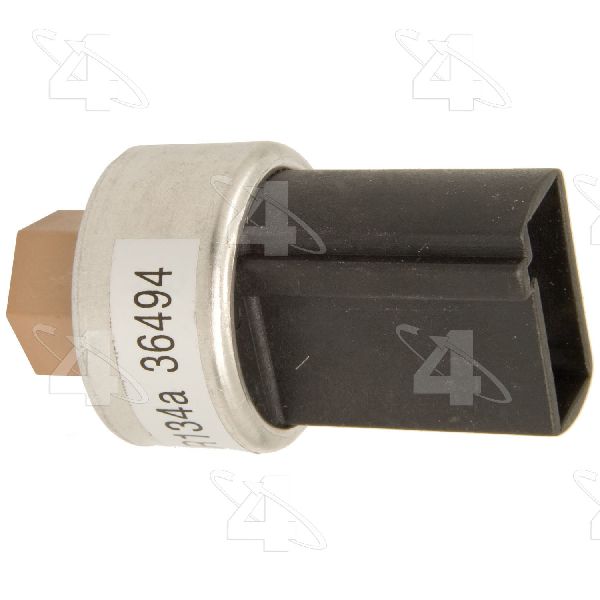
- Four Seasons: A very well-known and respected aftermarket manufacturer specializing in climate control parts. They are known for producing reliable, quality components that offer a great balance of performance and price. For a daily-driven Explorer, a Four Seasons switch is a solid, dependable choice.
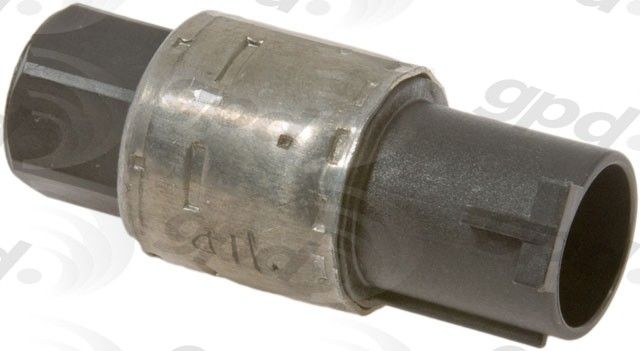
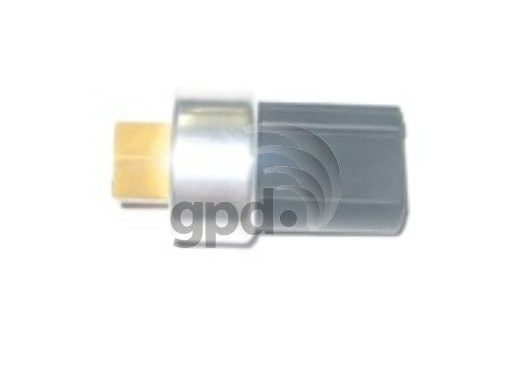
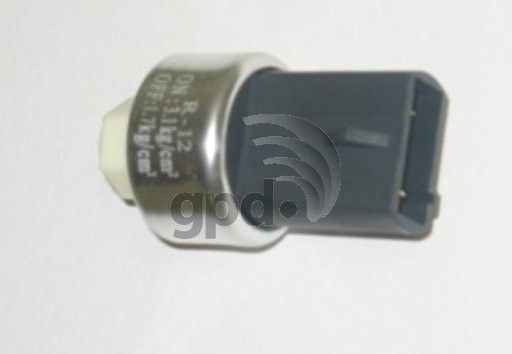
- Global Parts Distributors (GPD): GPD is a brand that offers a wide range of aftermarket A/C components, often at a very competitive price. They aim to provide parts that match OE fit and function and state their parts undergo durability testing. This is a good budget-friendly option for getting your A/C back in working order.
Cost of Replacing the A/C Clutch Cycle Switch
| Part Type | Estimated Cost |
|---|---|
| New Aftermarket (Four Seasons, Global Parts) | $14.90 - $53.45 |
| New OEM (Motorcraft) | $50 - $90 |
| Shop Labor | $100 - $150 |
Note: Costs are estimates and can vary based on location, supplier, and vehicle specifics.
Pro Tip: No System Evacuation Needed
On most 1991-2000 Ford Explorers, the A/C clutch cycle switch is mounted on a Schrader valve, just like the valve on your tires. This means you can unscrew the old switch and install the new one without losing all the refrigerant in the system. You may hear a brief hiss of gas, but the valve will seal the system, making this a quick and easy DIY repair.
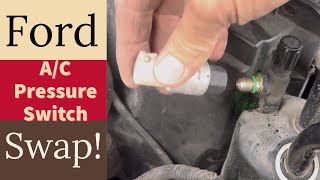
🎬 See how easy it is to swap the pressure switchFrequently Asked Questions
Where is the A/C clutch cycle switch located on a 1991-2000 Explorer?
You can find the switch on the passenger side of the engine bay, near the firewall. It is screwed into the top of the A/C accumulator, which is a large aluminum or black-painted can. It will have a small electrical connector plugged into it.
Can I replace this part myself?
Yes, this is a great DIY job for beginners. The only tools you typically need are your hands to unplug the connector and a wrench to unscrew the old switch. The entire process usually takes less than 30 minutes.
What happens if I don't replace a bad switch?
Your A/C system simply will not work correctly. If the switch has failed open, the compressor will not turn on, and you'll have no cold air. If it fails in a way that causes short cycling, it can put extra wear and tear on your A/C compressor clutch over time.
Could my problem just be low refrigerant?
Yes. A/C short-cycling is a classic sign of a system that is low on refrigerant. The clutch cycle switch is doing its job by shutting the compressor off to prevent damage from low pressure. Before replacing the switch, it can be a good idea to have the system's pressure checked by a professional to rule out a leak or low charge.
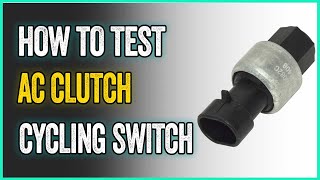
🎬 Watch: How to test your A/C clutch cycling switchAre there any recalls for this part on my Explorer?
No, there are no specific recalls or Technical Service Bulletins (TSBs) from Ford or the NHTSA for the A/C clutch cycle switch on the 1991-2000 Ford Explorer.
Helpful Videos
Technical Specifications
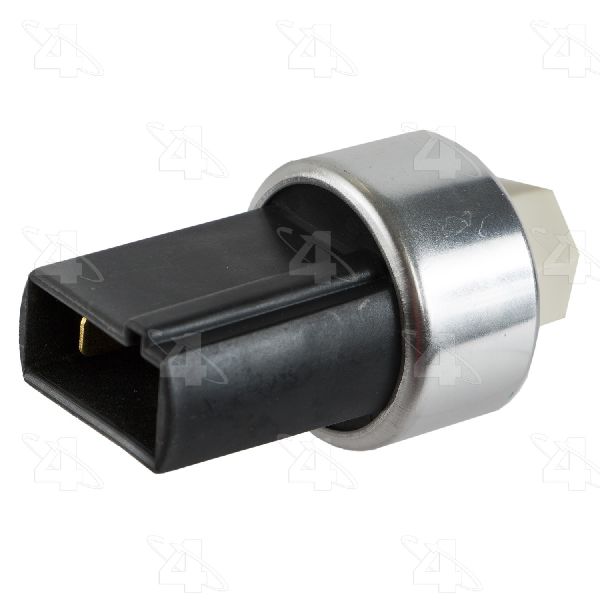
Low-pressure switch, typically mounted on A/C accumulator. Cycles compressor to prevent evaporator freezing and protect the compressor.
We Have This Part in Stock

The information in this article is provided for general reference and educational purposes only. Vehicle specifications, procedures, and part compatibility can vary by production date, trim level, and region. Always consult your vehicle's factory service manual and verify part numbers before purchasing or performing repairs. Safety-critical components such as airbags, seat belts, and braking systems should be installed by a qualified professional.
- Ford Explorer:
- 🎬 Helpful Videos
- 🛍️ Shop This Part
- Is Your Explorer's A/C Acting Up? Check the Clutch Cycle Switch.
- Common Symptoms of a Bad A/C Switch
- Don't Mistake It for a Bad Compressor
- Choosing a New Aftermarket Switch: Brand Tiers
- Cost of Replacing the A/C Clutch Cycle Switch
- Pro Tip: No System Evacuation Needed
- Frequently Asked Questions
- 🎟️ Get 5% Off