

Ford Explorer Brake Calipers (1991-2000): A Guide for Replacement
If your Explorer pulls to one side or feels sluggish, a seized brake caliper is the likely culprit.
- Seized or sticking calipers are the most common failure mode for this generation of Explorer.
- Always replace calipers in pairs (both fronts or both rears) to maintain balanced braking.
- If you own a 1991-1994 model, verify the master cylinder bolt recall (96V024001) has been addressed.
- Properly bleeding the brake system after installation is critical for safety and performance.
Is Your Explorer's Brake Caliper Failing?
On the 1991-2000 Ford Explorer, the most common brake caliper problem is not a sudden failure, but a gradual one. Calipers, especially on older trucks, are prone to seizing or sticking. This happens when the internal piston or the external slide pins corrode from moisture, old brake fluid, or inactivity, preventing the caliper from releasing its grip on the rotor. This means the brake on one wheel is always slightly applied.
Symptoms of a Seized or Sticking Caliper:
🎬 Watch: A simple test to diagnose a sticking brake caliper.- Vehicle Pulls to One Side: When driving or braking, the truck may pull towards the wheel with the good caliper, or away from the wheel with the seized one.
- Sluggish Acceleration: The truck feels like it's dragging or that the parking brake is on.
- Burning Smell: After a drive, you may notice a distinct, acrid burning smell from one of the wheels. This is the brake pad overheating from constant friction.
- Excessive Heat: The wheel with the stuck caliper will be significantly hotter to the touch than the others.
- Uneven Brake Pad Wear: When you inspect the brakes, the pads on one side will be worn down much more than the other.
- Brake Fluid Leaks: Puddles of fluid near the wheel can indicate a failed piston seal in the caliper.
Brake System Recall for 1991-1994 Models
Ford issued a recall (NHTSA ID: 96V024001) for 1991-1994 Ford Explorers. The bolts attaching the brake master cylinder to the power booster could fracture, potentially leading to a complete loss of brakes. While this is not a caliper issue, it is a critical safety recall for the brake system on these specific years. Owners should verify if this recall work was performed.
Choosing the Right Aftermarket Caliper
For a vehicle of this age, aftermarket calipers are the go-to choice. They are widely available, affordable, and meet or exceed original quality. They generally fall into three categories.
1. Standard Remanufactured Calipers
Brands: Cardone, Raybestos, Centric, BBB Industries
These are the most common and budget-friendly options. They are original Ford calipers that have been rebuilt with new seals, boots, and pistons as needed. Quality is generally reliable for a daily driver, with some users reporting they've lasted over ten years. These parts often require a "core charge," which is a temporary deposit that you get back when you return your old caliper.
2. Premium New or Remanufactured Calipers
Brands: ACDelco, Dynamic Friction
This tier often includes brand-new castings or premium remanufactured units with high-quality coatings to resist corrosion. They may come with pre-installed brackets and all necessary hardware, saving time during installation. ACDelco is a well-regarded brand known for reliability.
3. Performance / Upgrade Calipers
Brand: PowerStop
PowerStop calipers are often sold as part of a complete brake kit with upgraded pads and rotors. They are typically powder-coated (often in red) for a custom look and to provide excellent corrosion resistance. These are a great option if you are looking to upgrade your entire brake system for better stopping power or towing performance.
Pro Tip: Phenolic vs. Steel Pistons
When shopping, you'll see calipers with either phenolic (a type of plastic composite) or steel pistons. Phenolic pistons don't rust and transfer less heat to the brake fluid, which is good. However, they can be more fragile during installation if you are not careful. Steel pistons are stronger but can corrode over time if brake fluid isn't flushed regularly. For most Explorer owners, either type is acceptable, but phenolic is often preferred for longevity in wet climates.
Estimated Replacement Costs
| Part / Service | Estimated Cost |
|---|---|
| New Aftermarket Caliper | $30 - $135 (per caliper) |
| Remanufactured Caliper | $30 - $80 (plus core charge) |
| Shop Labor | $100 - $200 (per caliper) |
| Total Professional Replacement | $130 - $335 (per corner) |
Frequently Asked Questions
Should I replace brake calipers in pairs?
Yes, it is highly recommended. Calipers should always be replaced in pairs (both front or both rear) to ensure even braking performance and prevent the vehicle from pulling to one side.
What is a "core charge"?
A core charge is a deposit you pay when you buy a remanufactured part like a caliper. You get the deposit back when you return your old, worn-out caliper to the store. This allows the manufacturer to rebuild the old part and keep costs down.
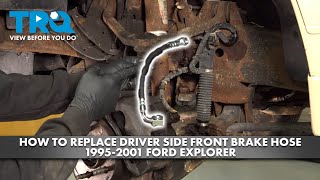
Do I need to replace my brake hoses with the calipers? 🎬 See how to replace a front brake hose on your Explorer.
It's a very good idea. The flexible rubber brake hoses on a 25+ year old vehicle can degrade from the inside out. They can swell, causing calipers to stick, or crack and leak. Replacing them at the same time as the caliper is a smart, preventative repair.
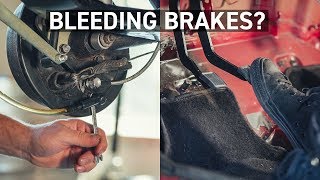
Is bleeding the brakes necessary after replacing a caliper? 🎬 Watch this walkthrough on how to bleed Ford Explorer brakes.
Absolutely. When you disconnect the brake hose, air enters the system. You must perform a full brake bleed on the new caliper (and it's a good idea to bleed all four wheels) to remove all air bubbles. Failure to do so will result in a spongy brake pedal and dangerously reduced stopping power.
Helpful Videos

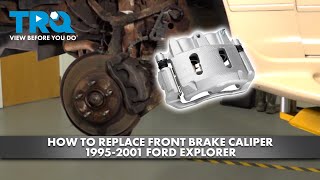
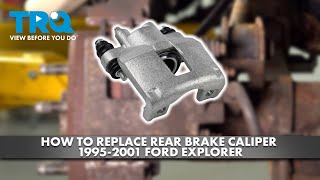
Technical Specifications
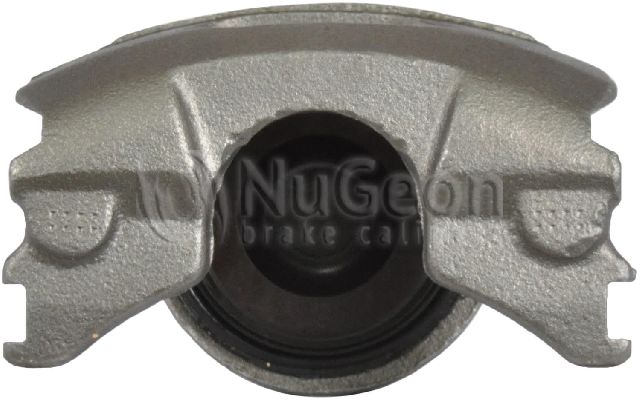
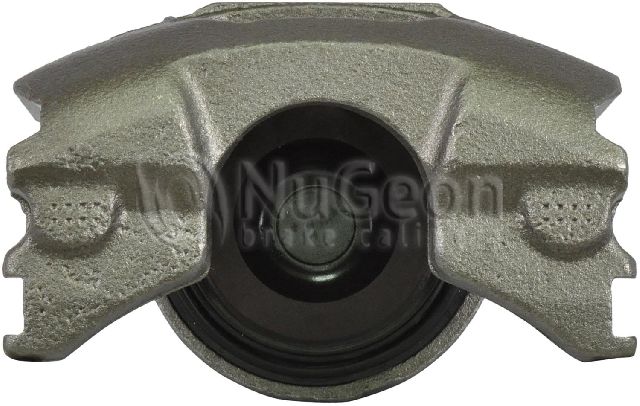
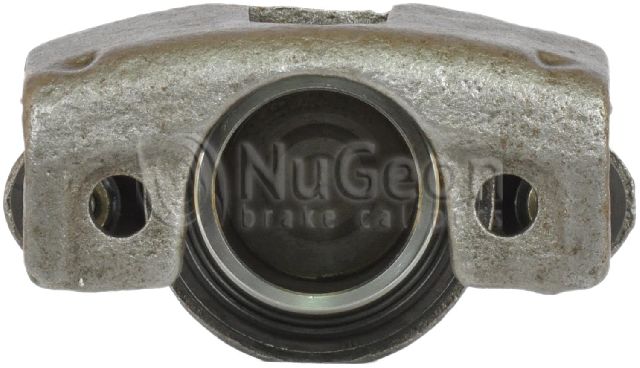
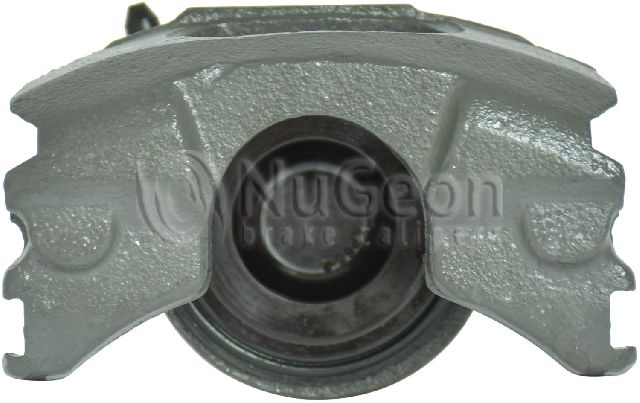
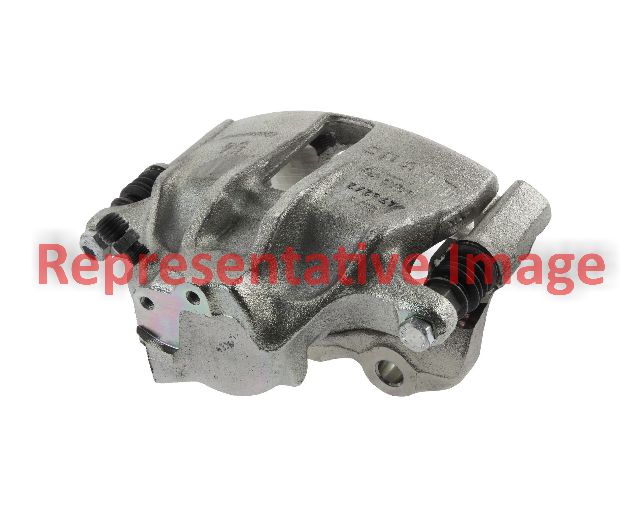
Calipers for the 1991-2000 Ford Explorer are of a single-piston, floating design. Aftermarket options are available with either phenolic or steel pistons. Most remanufactured calipers will require a core return. Many new aftermarket calipers come with pre-installed brackets and hardware.
We Have This Part in Stock

The information in this article is provided for general reference and educational purposes only. Vehicle specifications, procedures, and part compatibility can vary by production date, trim level, and region. Always consult your vehicle's factory service manual and verify part numbers before purchasing or performing repairs. Safety-critical components such as airbags, seat belts, and braking systems should be installed by a qualified professional.
- Ford Explorer:
- 🎬 Helpful Videos
- 🛍️ Shop This Part
- Is Your Explorer's Brake Caliper Failing?
- Symptoms of a Seized or Sticking Caliper:
- Brake System Recall for 1991-1994 Models
- Choosing the Right Aftermarket Caliper
- 1. Standard Remanufactured Calipers
- 2. Premium New or Remanufactured Calipers
- 3. Performance / Upgrade Calipers
- Pro Tip: Phenolic vs. Steel Pistons
- Estimated Replacement Costs
- Frequently Asked Questions
- 🎟️ Get 5% Off