

Ford Taurus Oxygen Sensor Guide: 1991-2000 Models
Learn how this small sensor impacts your Taurus's fuel economy and engine health.
- Your 1996-2000 Taurus likely has four O2 sensors; use a code scanner to identify the specific one that needs replacement.
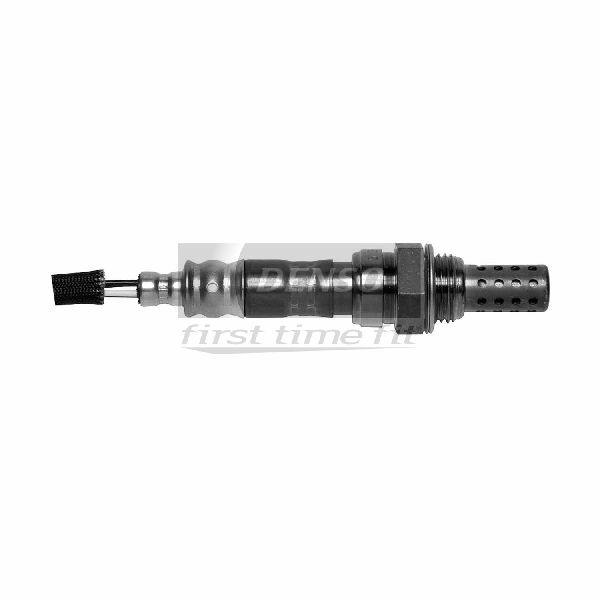
- A direct-fit sensor from a reputable brand like Denso or NGK is a reliable, cost-effective alternative to OEM Motorcraft.
- Use a special O2 sensor socket and penetrating oil, as the old sensor is often rusted and difficult to remove.
- Do not ignore a bad O2 sensor; it will decrease fuel economy and can quickly destroy your expensive catalytic converter.
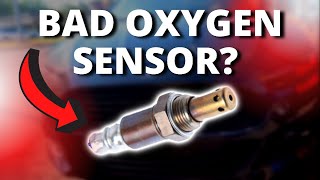
Is Your Taurus Oxygen Sensor Failing?
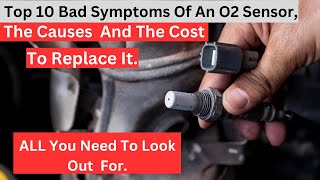
A bad oxygen sensor can cause several noticeable problems. Because the engine's computer isn't getting accurate information, it can't properly balance the air and fuel your engine needs. This can lead to poor performance and even damage to other expensive parts.
Key Symptoms of a Bad O2 Sensor:
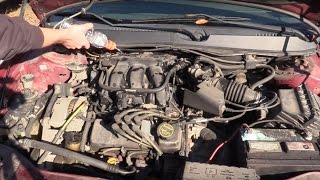
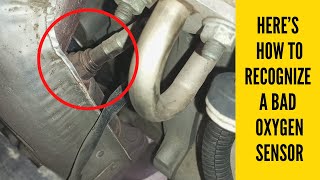
- Check Engine Light: This is the most common sign. A code scan might show codes like P0171 or P0174, which indicate a lean fuel mixture 🎬 Watch: Diagnosing Ford Taurus lean codes P0171 and P0174 often related to a faulty O2 sensor.
- Poor Fuel Economy: If the sensor fails, the computer may default to a rich fuel mixture, meaning it uses more fuel than necessary. You'll notice you're filling up your tank more often.
- Rough Idle and Misfires: An incorrect air-fuel ratio can cause your engine to run poorly, leading to a shaky idle, hesitation when you accelerate, or even engine misfires.
- Failed Emissions Test: A bad O2 sensor directly impacts your car's emissions, and it will almost certainly cause you to fail a smog check.
- Rotten Egg Smell: Excess, unburnt fuel in the exhaust can overheat the catalytic converter, producing a sulfur or rotten egg smell.
Don't Ignore a Failing Sensor
While you can drive with a bad O2 sensor, it's not recommended. Continuing to drive can lead to very poor fuel economy and, more importantly, can quickly damage your catalytic converter—a much more expensive repair.
Choosing the Right Aftermarket O2 Sensor
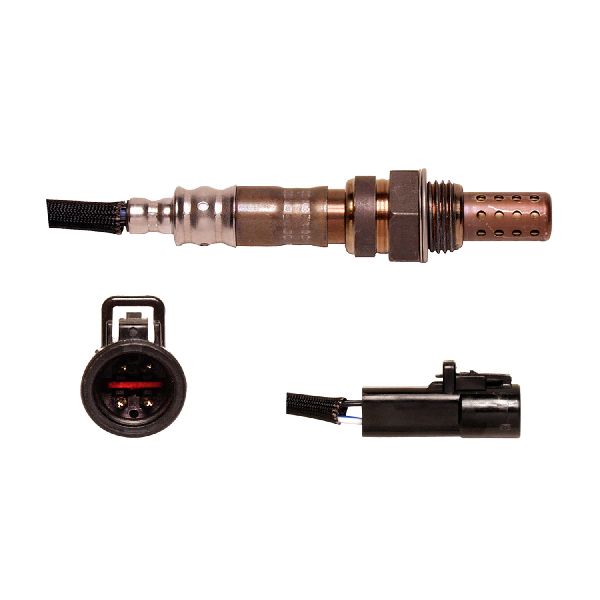
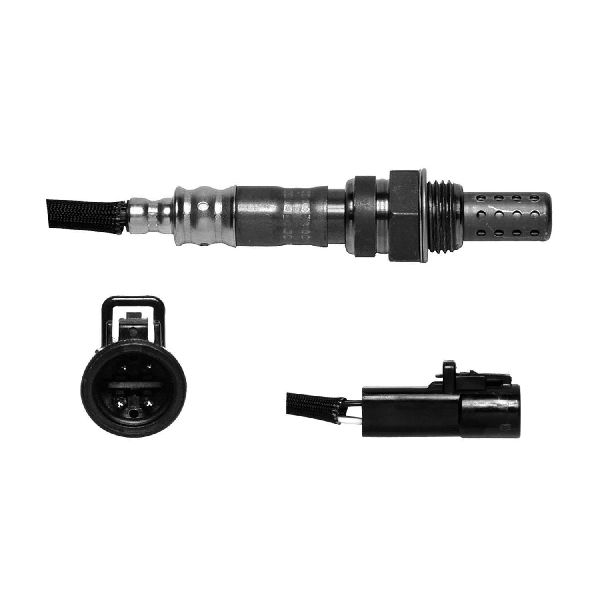
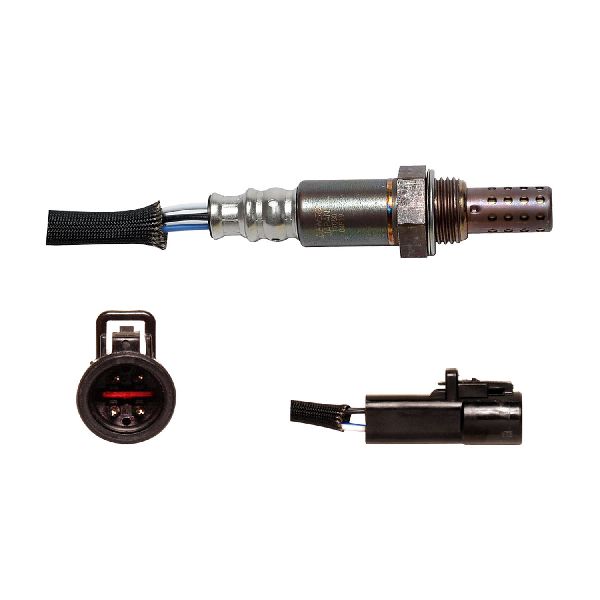
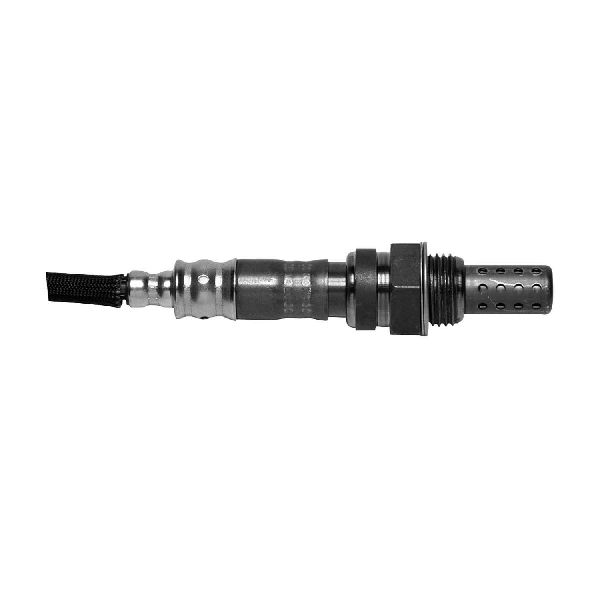
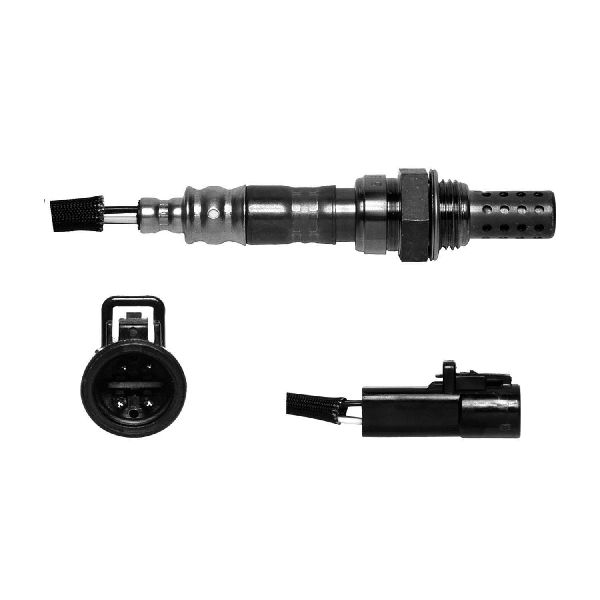
For a 1991-2000 Ford Taurus, the original equipment (OEM) sensor is made by Motorcraft. While Motorcraft offers a guaranteed fit and performance, high-quality aftermarket brands provide excellent value for a vehicle of this age. Aftermarket sensors are available as 'Direct-Fit', which come with the correct plug, or 'Universal', which require you to splice the wires from your old connector.
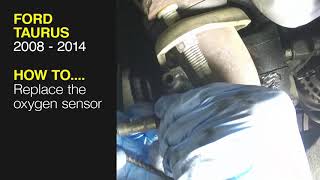
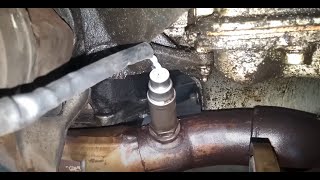
Pro Tip: Always choose a 'Direct-Fit' sensor if possible. It makes the installation much easier and eliminates the risk of a bad wire connection. 🎬 See this step-by-step guide for replacing the sensor New sensors often come with anti-seize compound already applied to the threads.
Aftermarket Brand Tiers for Ford Taurus
- Tier 1 (OEM Quality): Denso, NGK (also known as NTK). These brands are major OEM suppliers and are widely trusted in forums by Ford owners for their reliability and performance. Many consider them equal to Motorcraft.
- Tier 2 (Quality Aftermarket): Bosch, Delphi. Bosch invented the automotive oxygen sensor and is a huge name in the industry. While some forum users have reported mixed experiences, their direct-fit sensors are generally a solid choice. Delphi is another reputable OE supplier.
- Tier 3 (Value-Oriented): Walker Products, DriveWire. These brands offer a more budget-friendly option. They can be a good choice if cost is the primary concern, but may not have the same longevity as higher-tier brands.
Cost of Replacing a Ford Taurus Oxygen Sensor
| Part Type | Estimated Cost |
|---|---|
| New Aftermarket Sensor | $38 - $83 |
| New OEM (Motorcraft) Sensor | $75 - $135+ |
| Shop Labor | $80 - $150 |
Frequently Asked Questions
How many oxygen sensors does my 1991-2000 Taurus have?
It depends on the year and engine. Pre-1996 models may have one or two. 1996 and newer models with the V6 engine typically have four sensors: two upstream (one for each cylinder bank) and two downstream. A code reader can tell you which specific sensor has failed.
What's the difference between upstream and downstream sensors?
Upstream sensors (also called Bank 1 Sensor 1 or Bank 2 Sensor 1) are located in the exhaust manifold before the catalytic converter. They are critical for managing the engine's air-fuel ratio. Downstream sensors (Bank 1 Sensor 2 or Bank 2 Sensor 2) are located after the catalytic converter and their main job is to monitor its efficiency.
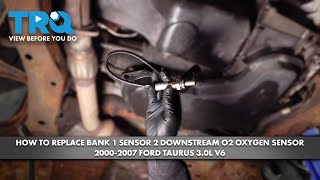
🎬 Watch: How to replace a downstream Bank 1 Sensor 2Can I replace just one O2 sensor?
Yes. You only need to replace the sensor that has failed. However, O2 sensors have a limited lifespan (around 60,000 to 100,000 miles), so if one has failed, the others may not be far behind. If you have a high-mileage vehicle, some owners choose to replace them in pairs (e.g., both upstream sensors at the same time).
Do I need a special tool to replace an O2 sensor?
Yes, an oxygen sensor socket is highly recommended. It's a special deep socket with a slot cut out for the sensor's wire. Using one makes the job much easier and helps prevent damage to the new sensor's wiring. You may also need penetrating oil to loosen the old sensor, as they are often seized in the exhaust pipe.
Can I clean an old oxygen sensor instead of replacing it?
It is not recommended. Cleaning is rarely effective for modern heated oxygen sensors. The internal sensing element gets contaminated over time, and this damage cannot be reversed by cleaning the outside. Given the reasonable cost of a new aftermarket sensor, replacement is the only reliable solution.
Helpful Videos
Technical Specifications
OEM Part Numbers: F4AF9F472AA F0SF9F472AA E9SF9F472AA
For 1991-2000 models, sensors are typically heated with 3 or 4 wires. The key distinction is between pre-1996 (OBD-I) and 1996+ (OBD-II) systems, which affects the number and placement of sensors. Always verify the specific part for your vehicle's year and engine.
We Have This Part in Stock

The information in this article is provided for general reference and educational purposes only. Vehicle specifications, procedures, and part compatibility can vary by production date, trim level, and region. Always consult your vehicle's factory service manual and verify part numbers before purchasing or performing repairs. Safety-critical components such as airbags, seat belts, and braking systems should be installed by a qualified professional.
- Ford Taurus:
- 🎬 Helpful Videos
- 🛍️ Shop This Part
- Is Your Taurus Oxygen Sensor Failing?
- Key Symptoms of a Bad O2 Sensor:
- Don't Ignore a Failing Sensor
- Choosing the Right Aftermarket O2 Sensor
- Aftermarket Brand Tiers for Ford Taurus
- Cost of Replacing a Ford Taurus Oxygen Sensor
- Frequently Asked Questions
- 🎟️ Get 5% Off