

Ford Explorer Brake Master Cylinder Guide (1991-2001)
Fix your Explorer's spongy or sinking brake pedal by choosing the right new aftermarket master cylinder.
- A spongy or sinking brake pedal is the number one sign of a failing master cylinder in a 1991-2001 Explorer.
- For 1991-1994 models, check for a critical safety recall regarding the studs that mount the master cylinder to the booster.
- You must bench bleed the new master cylinder before installation to ensure all air is removed from the part itself.
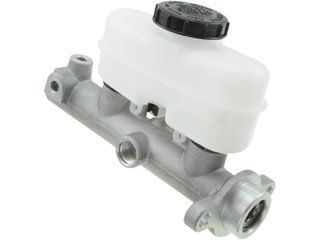
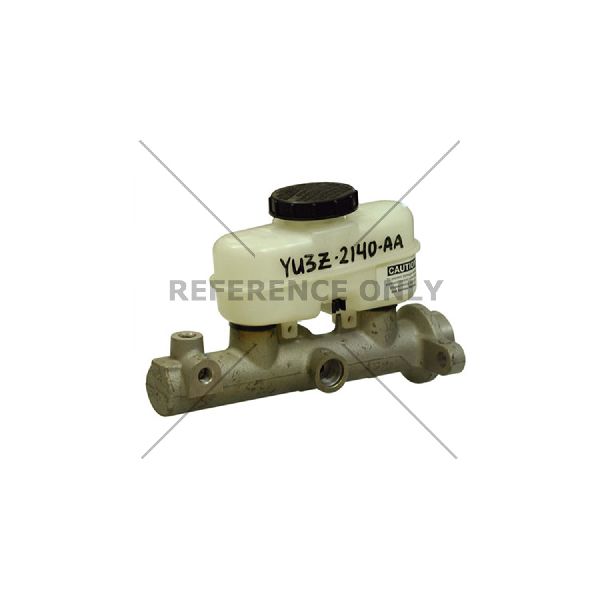
- A quality new aftermarket part from a brand like Dorman, Centric, or Beck Arnley is a reliable and cost-effective choice for this vehicle.
Is Your Explorer's Brake Master Cylinder Failing?
A failing brake master cylinder is a critical safety issue. The most common failure is worn internal seals, which allow fluid to bypass the piston. This means you lose hydraulic pressure. On these first and second-generation Explorers, the symptoms are usually obvious. Don't ignore them.
Safety Recall Notice: 1991-1994 Models
There was a critical safety recall for 1991-1994 Ford Explorers (NHTSA Campaign ID: 96V024001). The studs that attach the brake master cylinder to the power brake booster could crack and fail. This could cause a complete loss of brakes. While this recall was issued years ago, it's vital to inspect this area on any early Explorer. Ensure the master cylinder is securely mounted to the booster.
Symptoms of a Bad Master Cylinder
- Spongy or Soft Brake Pedal: This is the most common sign. If your pedal feels mushy or goes closer to the floor than it used to, the master cylinder may be failing internally.
- Sinking Brake Pedal: If you hold your foot on the brake pedal and it slowly sinks to the floor, the internal seals are likely worn and allowing fluid to leak past.
- Brake Warning Light: A drop in brake fluid level due to a leak will trigger the brake warning light on your dashboard.
- Visible Fluid Leaks: Check for brake fluid leaking from the rear of the master cylinder where it meets the brake booster. An internal leak into the booster is also common and may not be visible externally.
- Contaminated Brake Fluid: If your brake fluid is dark or black, it could indicate that the seals inside the master cylinder are breaking down.
Choosing the Right Aftermarket Master Cylinder
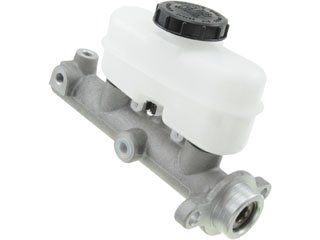
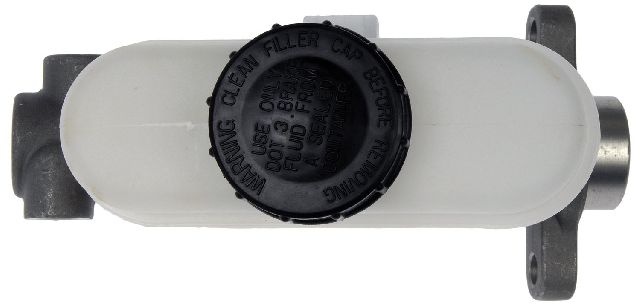
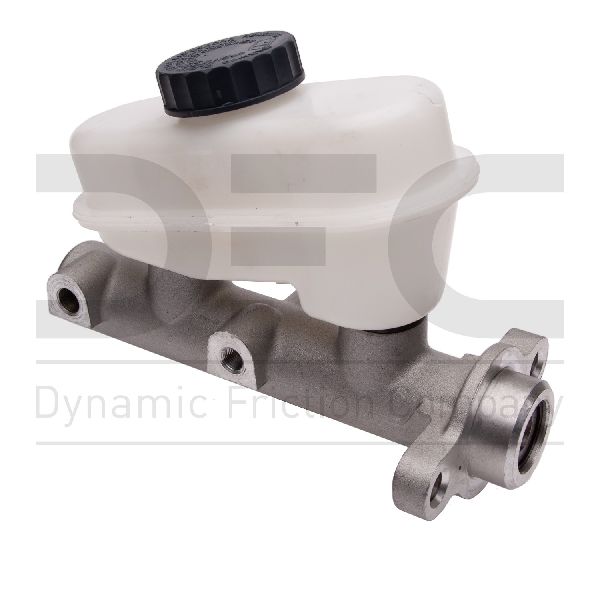
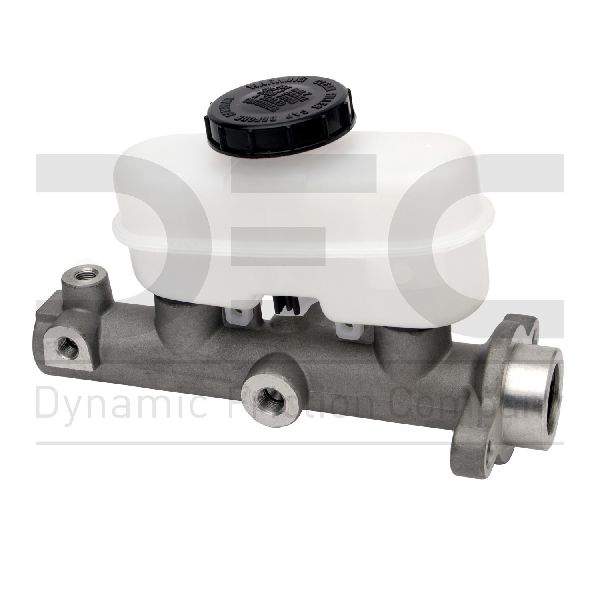
For a 1991-2001 Explorer, a new aftermarket master cylinder is a practical and affordable choice. The quality of modern aftermarket parts is often very good, and they can provide reliable performance. Here's a breakdown of common brands:
- Standard Replacement (Good): Brands like Dorman, Cardone (New, not remanufactured), and Dynamic Friction offer solid, budget-friendly replacements that meet original specifications. Dorman is known for re-engineering parts to fix common OEM issues.
- Premium Aftermarket (Better): Brands like Centric and Raybestos are often considered a step up, known for precise manufacturing and durability.
- High-Quality Aftermarket (Best): Beck Arnley is often praised for producing parts that feel closer to OEM quality, with some mechanics reporting fewer comebacks compared to other brands.
Given the age of the vehicle, any of these new aftermarket options will be a significant improvement over a worn, original part. Avoid remanufactured units if possible, as quality can be inconsistent.
Pro Tip: Bench Bleed Your New Master Cylinder
Before installing your new master cylinder, you MUST bench bleed it. This process removes all air from inside the cylinder itself. Skipping this step will make it nearly impossible to get a firm brake pedal, no matter how much you bleed the lines at the wheels. Most new master cylinders come with a simple bench bleeding kit.
| Item | Estimated Cost |
|---|---|
| New Aftermarket Master Cylinder | $72 - $145 |
| Shop Labor | $150 - $250 |
| Total Professional Replacement | $222 - $395 |
Frequently Asked Questions
Do I need special tools for this job?
Yes. You will need a set of flare nut wrenches (or line wrenches) to loosen and tighten the brake line fittings without stripping them. You will also need basic hand tools like a socket set. A vise is also extremely helpful for bench bleeding the new part.
What is the difference between a spongy pedal and a hard pedal?
A spongy pedal, the main symptom of a bad master cylinder, indicates air in the lines or internal bypassing. A hard pedal that's difficult to press is usually a sign of a failing brake booster, not the master cylinder itself.
My Explorer has ABS. Is the replacement different?
The replacement process for the master cylinder itself is the same. However, getting air into the ABS hydraulic unit can complicate the bleeding process. To avoid this, be very careful not to let the reservoir run dry when removing the old part or bleeding the brakes. If you do get air in the ABS module, a shop might need to use a special scan tool to cycle the ABS pump and bleed it properly.
Should I replace my brake fluid at the same time?
Absolutely. You will lose some fluid during the replacement, so you will need to bleed the entire system anyway. This is the perfect time to flush all the old, contaminated fluid out and replace it with new, clean fluid meeting your Explorer's specifications. Old fluid can absorb moisture, which lowers its boiling point and can cause corrosion inside the brake system.
Technical Specifications
Varies by specific year and whether the vehicle is equipped with 2-wheel or 4-wheel ABS. Always verify the part fits your specific year and model before ordering. Early models (1991-1994) had rear-wheel-only ABS, while later models offered 4-wheel ABS.
We Have This Part in Stock

The information in this article is provided for general reference and educational purposes only. Vehicle specifications, procedures, and part compatibility can vary by production date, trim level, and region. Always consult your vehicle's factory service manual and verify part numbers before purchasing or performing repairs. Safety-critical components such as airbags, seat belts, and braking systems should be installed by a qualified professional.
- Ford Explorer: