

Ford Explorer Stabilizer Bar Link Kit Guide for 1991-2001 Models
Eliminate clunking noises and restore handling by choosing the right stabilizer link kit for your first or second-generation Explorer.
- The most common symptom of failure is a clunking noise over bumps.
- Replacement is a manageable DIY job for most owners, with rust being the biggest obstacle.
- Always replace links in pairs (left and right) to ensure balanced handling.
- For longevity, consider premium aftermarket brands like Moog or Mevotech that offer greasable joints.
Is Your Explorer Making a Clunking Noise?
A clunking or knocking sound from the suspension, especially when driving over bumps or uneven pavement, is the most common sign of a bad stabilizer bar link. The small joints in the links wear out, creating looseness that results in noise. You might also notice that your Explorer feels less stable, leans more in corners, or has a "loose" feeling in the steering. While these parts are small, they make a big difference in how your SUV drives.
Known Issues and Recalls
While there are numerous suspension recalls for newer Ford Explorer models, particularly for rear toe links on 2013-2019 models, no specific recalls or widespread Technical Service Bulletins (TSBs) for stabilizer bar links were found for the 1991-2001 generation during research. The primary issues for these older models are related to normal wear and tear from age and mileage.
Choosing the Right Aftermarket Stabilizer Link
For a vehicle like the 1991-2001 Explorer, aftermarket parts often provide excellent value and can sometimes be an improvement over the original design. Many aftermarket brands offer features like greasable fittings, which allow you to push out contaminants and extend the part's life. Here’s a breakdown of common brand tiers to help you choose.
Brand Quality Tiers
- Premium / Heavy-Duty (Moog, Mevotech TTX): Brands like Moog (specifically their "Problem Solver" line) and Mevotech's high-end series are often considered top-tier aftermarket options. They frequently feature stronger materials, thicker rods, and greasable sockets for improved durability and longevity, making them a good choice if you plan to keep your Explorer for a long time or use it in harsh conditions.
- Standard / OE-Quality (Delphi, Dorman, Beck Arnley, QuickSteer): These brands aim to meet or exceed original equipment (OE) specifications. They are a reliable choice for daily driving and offer a good balance of quality and price. They often look and install just like the factory part.
- Economy (Suspensia, various private labels): Economy brands provide a functional replacement at the lowest price point. While they will fix the immediate problem, their lifespan may be shorter compared to premium or standard brands. They are a viable option for budget-conscious repairs.
Pro Tip: Greasable vs. Sealed Links
Greasable links have a small fitting (a zerk fitting) that lets you add new grease with a grease gun. This can flush out old, contaminated grease and potentially make the part last longer. Sealed links are maintenance-free but must be replaced when they wear out. For an older vehicle, greasable links from brands like Moog or Mevotech can be a smart upgrade.
Cost to Replace Stabilizer Bar Links on a 1991-2001 Explorer
The cost is relatively low, especially if you can do the work yourself. The parts are affordable, and the job doesn't require highly specialized tools.
| Part/Service | Estimated Cost |
|---|---|
| New Aftermarket Part | $13 - $41 per link |
| Shop Labor | $80 - $150 |
| Total Professional Replacement | $100 - $230 (per axle) |
Frequently Asked Questions (FAQ)
Should I replace stabilizer links in pairs?
Yes. It is always recommended to replace suspension components like stabilizer links in pairs (both left and right sides). If one has failed, the other is likely not far behind due to similar age and wear. Replacing both ensures balanced handling and saves you from having to do the same job twice in the near future.
What's the difference between front and rear links?
Front and rear stabilizer links are not interchangeable. They have different lengths, shapes, and mounting styles specific to their location on the vehicle. Ensure you are purchasing the correct part for the front or rear axle of your Explorer.
Is this a difficult DIY job?
For most home mechanics, replacing stabilizer links is a straightforward job. It typically involves removing the wheel, unbolting the old link from the stabilizer bar and the control arm, and bolting the new one in place. The most common difficulty is dealing with rusted bolts, which may require penetrating oil or cutting.
Do I need a wheel alignment after replacing the links?
No, a wheel alignment is not typically required after replacing only the stabilizer bar links. These parts do not affect the primary alignment angles (camber, caster, and toe).
Technical Specifications
OEM Part Numbers: F81Z-5K484-BA
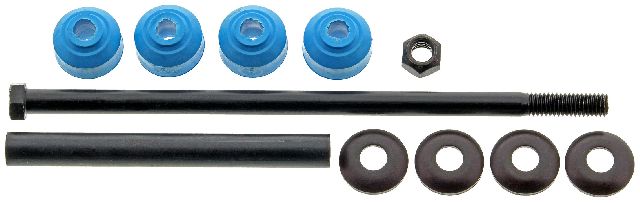
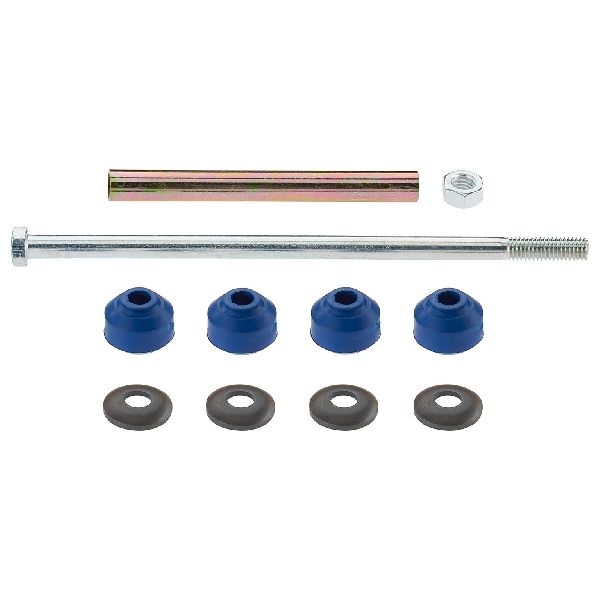
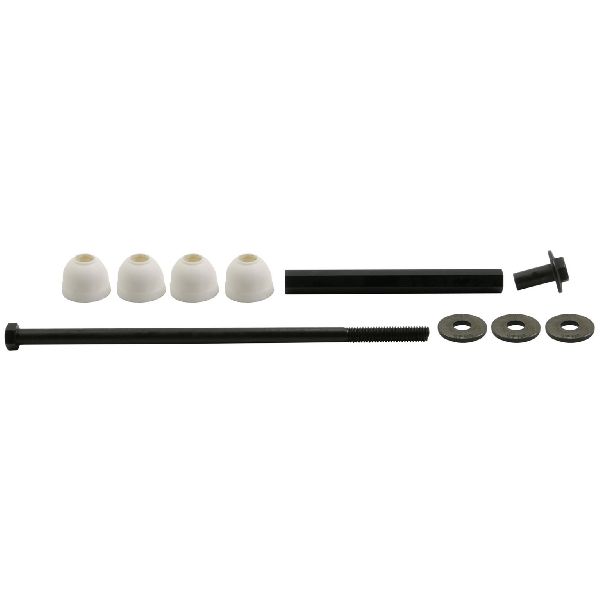
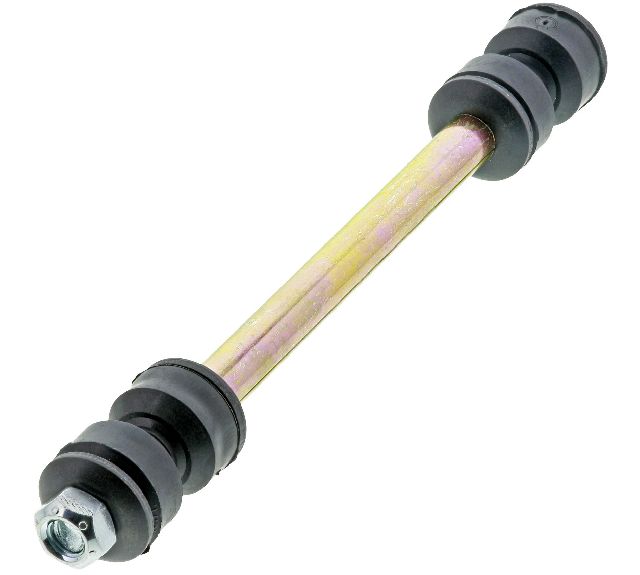
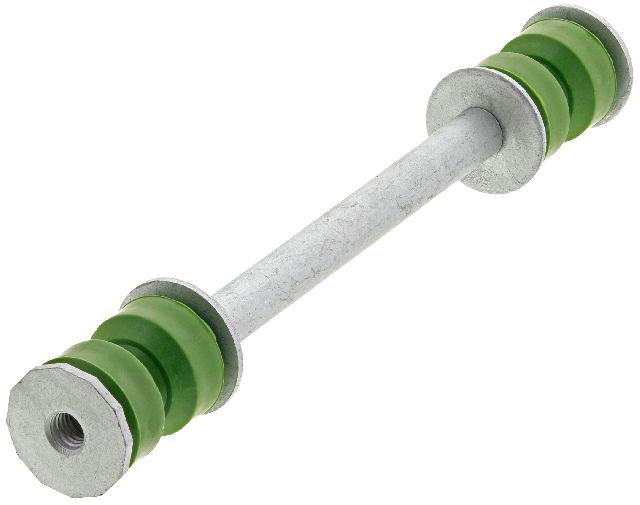
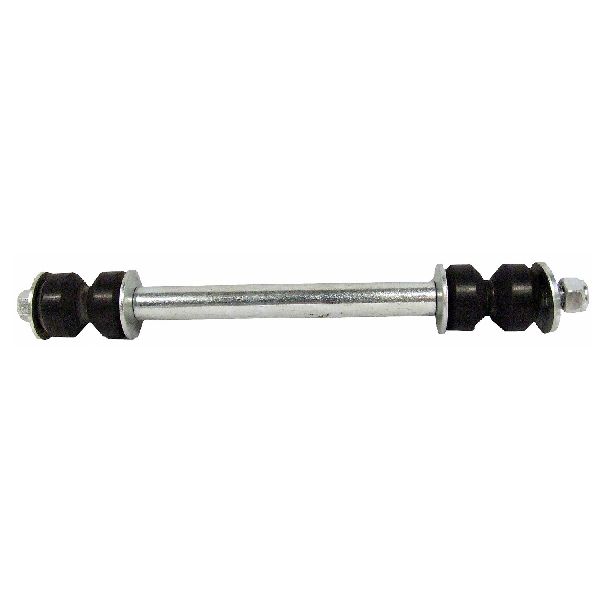
The 1991-2001 Ford Explorer uses different stabilizer link designs for the front and rear, and there were changes between model years (e.g., 1991-1994 vs. 1995-2001). Front links on later models are typically a vertical rod with ball joints, while rear links are often a simpler bolt-and-bushing design. It is critical to verify the part fits your specific year and drivetrain (2WD/4WD).
We Have This Part in Stock

The information in this article is provided for general reference and educational purposes only. Vehicle specifications, procedures, and part compatibility can vary by production date, trim level, and region. Always consult your vehicle's factory service manual and verify part numbers before purchasing or performing repairs. Safety-critical components such as airbags, seat belts, and braking systems should be installed by a qualified professional.
- Ford Explorer: