

A/C Compressor Replacement Guide for the 1991-2002 Chevrolet C3500HD
Everything you need to know before buying a new aftermarket A/C compressor for your heavy-duty Chevy truck.
- Replacing the accumulator/drier and orifice tube at the same time is mandatory for warranty and system longevity.
- Identify your refrigerant type (R-12 or R-134a) before buying parts, as they use different oils and components.
- Choosing a premium new compressor from a brand like Delphi or Denso is recommended over cheaper or remanufactured units to avoid repeat failures.
- If the old compressor made noise, the entire A/C system must be flushed to remove contaminants before installing the new one.
Is Your C3500HD's A/C Blowing Hot Air?
When the A/C goes out on a work truck like the C3500HD, it makes for a long day. The A/C compressor is a common failure point, but it's a fixable one. Before you buy a new part, it's important to know the common symptoms, what to look for in a replacement, and the critical steps needed to do the job right.
Symptoms of a Failing A/C Compressor
A bad compressor will give you clear warning signs. Paying attention to them can help you diagnose the problem correctly.
- No Cold Air: The most obvious symptom is warm or hot air coming from the vents when the A/C is on.
- Loud Noises: Grinding, rattling, or screeching sounds from the engine bay that start when you turn on the A/C point to internal compressor failure or a bad clutch bearing.
- Clutch Issues: The compressor clutch is the outer part of the pulley that engages to turn the compressor's internals. You should hear a 'click' when the A/C is turned on and see the outer plate spin with the pulley. If it doesn't engage, the clutch or the compressor might be bad. If it cycles on and off too quickly, the system may be low on refrigerant from a leak.
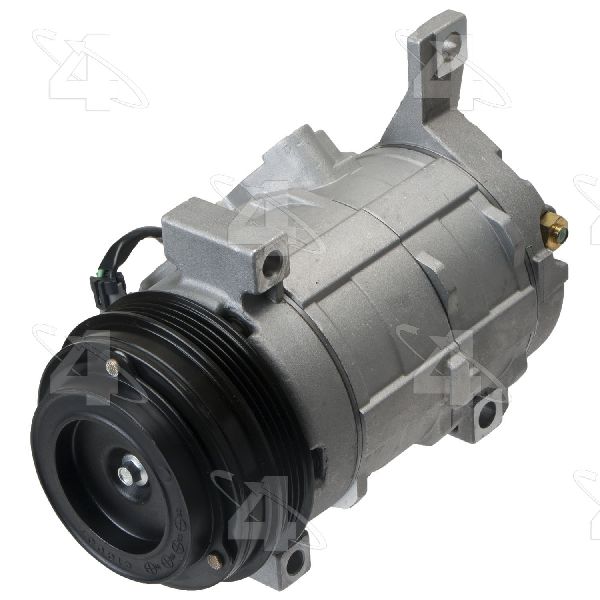
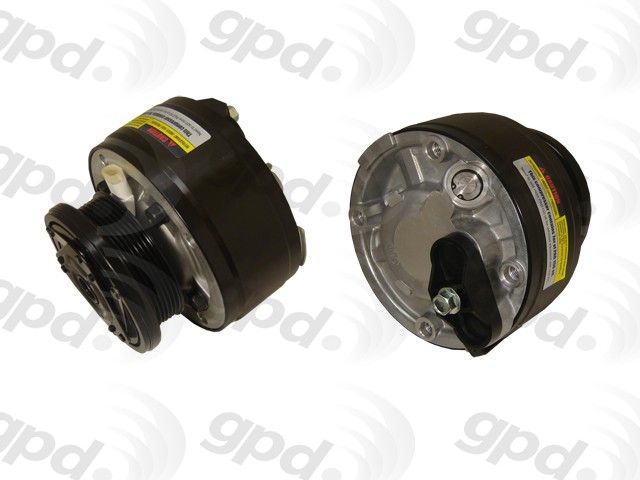
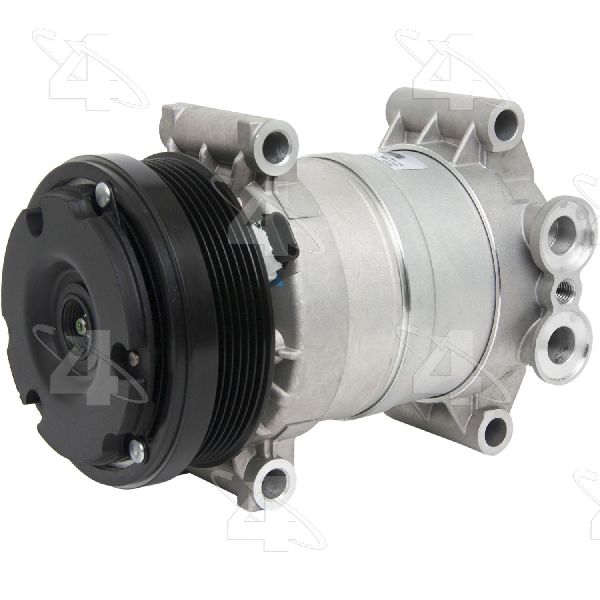
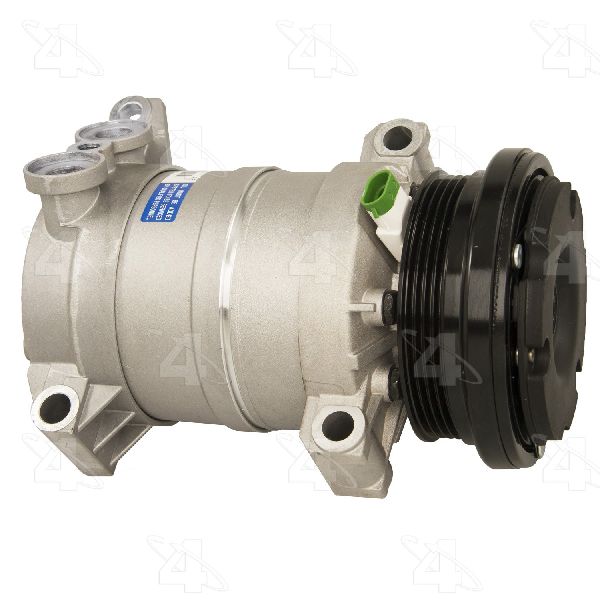
- Visible Leaks: The HT-6 style compressor used on many of these trucks is famous for leaking oil from the o-rings between the compressor body halves. This is often called a "belly leak." Look for a buildup of oily, grimy residue on the compressor body.
Known Issues for 1991-2002 C3500HD
No specific recalls or Technical Service Bulletins (TSBs) were found regarding the A/C compressor for this vehicle during our search. However, the GMT400 platform has well-documented A/C system quirks:
- Refrigerant Type: Early models (1991-1994) left the factory with R-12 refrigerant. Later models (1995-2002) used R-134a. Many older trucks have been converted to R-134a. The systems use different oils and have different pressure characteristics, so you must know which refrigerant your system uses before servicing it.
- Compressor "Belly Leaks": The original Harrison HT-6 compressors are known to develop leaks from the case seals over time.
- A/C Belt Tensioner: Some of these trucks use a dedicated belt and tensioner for the A/C compressor. A weak or failed tensioner can cause the belt to slip, leading to poor cooling and noises that can be mistaken for a bad compressor. Always inspect the tensioner when replacing the compressor.
Choosing the Right Aftermarket A/C Compressor
Not all aftermarket brands are created equal. For a part that requires this much labor, choosing a quality unit is important. Based on owner experiences and mechanic feedback, here is a breakdown of available brands.
| Brand Tier | Brands | Quality & Value Assessment |
|---|---|---|
| Premium Brands | Delphi, Denso | Delphi was an original equipment manufacturer for GM and has a strong reputation for reliability in these trucks. Denso is another top-tier OEM supplier known for trouble-free performance. Spending more on one of these brands is a good investment to avoid doing the job twice. |
| Mid-Grade / OEM-Style | ACDelco, Four Seasons | ACDelco is GM's official parts brand, but owner feedback is mixed; some have experienced the same "belly leaks" as the original units. Four Seasons is a long-standing aftermarket brand with generally positive reviews and is considered a reliable, cost-effective choice. |
| Economy Brands | Global Parts (GPD), UAC, Valeo, Replacement | These brands offer the lowest price point. While some owners use them without issue, they are generally considered a budget option. Given the labor involved, they are a riskier choice for long-term durability. Remanufactured units from any brand are generally not recommended due to inconsistent quality. |
Do The Job Right: It's More Than Just the Compressor
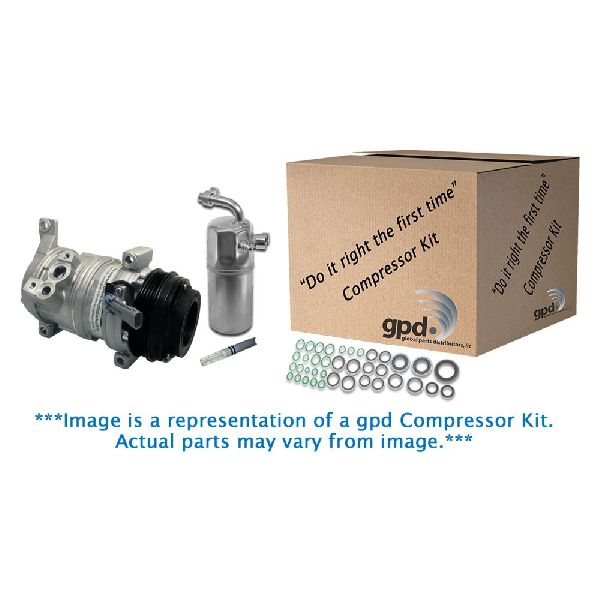
Simply swapping the compressor is a recipe for failure. To ensure your new compressor lasts and to satisfy warranty requirements, you must also replace the A/C Accumulator (or Drier) and the Orifice Tube. If your old compressor failed internally (made grinding noises), you must also thoroughly flush the entire A/C system to remove metal debris before installing the new parts. Failure to do so will cause your new compressor to fail immediately.
Frequently Asked Questions
Do I have to replace the accumulator and orifice tube?
Yes. It is mandatory. The accumulator contains a desiccant that removes moisture from the refrigerant, and it can only hold so much. Opening the system introduces moisture, and a new compressor requires a fresh accumulator to function properly. The orifice tube is a filter that can get clogged with debris from the old compressor. Not replacing these parts will void the warranty on your new compressor.
How do I know if my truck uses R-12 or R-134a refrigerant?
Look for a sticker under the hood, often on the fan shroud or radiator support, that specifies the refrigerant type and capacity. Another clue is the service ports; R-12 ports are threaded on the outside, while R-134a ports are larger and have a quick-disconnect style fitting. If your truck is a 1994 or older and has R-134a fittings, it has been converted.
Can I just replace the A/C clutch?
Sometimes. If the compressor is not leaking and the only issue is a failed clutch bearing (whirring noise that changes when A/C is on) or a bad clutch coil (clutch won't engage), you can replace just the clutch assembly. However, if the compressor is old or leaking, it's better to replace the entire unit.
Do new compressors come with oil?
Most new compressors come with a shipping charge of oil, but it may not be the full amount required for the system. You must drain the shipping oil to measure it, then add the correct amount of new PAG 46 oil per your vehicle's specifications before installation. The total system oil capacity is split between the compressor, accumulator, and evaporator.
Technical Specifications
OEM Part Numbers: 1520189 1520012 1520283 1520819
Compressor types used include Harrison R-4, HR-6HE, and HT-6. Refrigerant type is R-12 for early models (approx. pre-1995) and R-134a for later models. System requires PAG 46 compressor oil with R-134a.
We Have This Part in Stock

The information in this article is provided for general reference and educational purposes only. Vehicle specifications, procedures, and part compatibility can vary by production date, trim level, and region. Always consult your vehicle's factory service manual and verify part numbers before purchasing or performing repairs. Safety-critical components such as airbags, seat belts, and braking systems should be installed by a qualified professional.
- Chevrolet C3500HD: