

Chevrolet C3500HD A/C Condenser Replacement Guide (1991-2002)
Everything a C3500HD owner needs to know before buying a new aftermarket A/C condenser.
- Identify your refrigerant type (R-12 or R-134a) before ordering parts, as this is the most critical factor for this model year range.
- For best performance, choose a modern 'parallel flow' style condenser, especially if your truck uses R-134a refrigerant.
- You MUST replace the accumulator/drier and orifice tube at the same time as the condenser to ensure system longevity and warranty compliance.
- Budget for professional A/C service to evacuate the old refrigerant and to vacuum test and recharge the system after you've installed the new parts.
Is Your C3500HD's A/C Blowing Warm?
If the air conditioning on your heavy-duty Chevy truck isn't blowing cold, a faulty A/C condenser is a common cause. Because it's mounted at the very front of the truck, it's exposed to road debris, which can cause leaks or block airflow with dirt. Over decades of use, corrosion can also create pinhole leaks. Recognizing the signs of failure can help you decide if it's time for a replacement.
Symptoms of a Bad A/C Condenser
- Poor or No Cooling: The most obvious sign is warm air from the vents, even when the A/C is on full blast. This happens when the condenser can no longer cool the refrigerant effectively.
- Visible Damage or Blockage: Look at the condenser through the truck's grille. Bent fins, dirt, leaves, or physical damage from rocks can restrict airflow and reduce performance.
- Oily Residue: Refrigerant in the A/C system is mixed with oil. If you see a grimy, oily substance on the condenser's surface, it's a clear sign of a refrigerant leak.
The R-12 to R-134a Transition is Critical
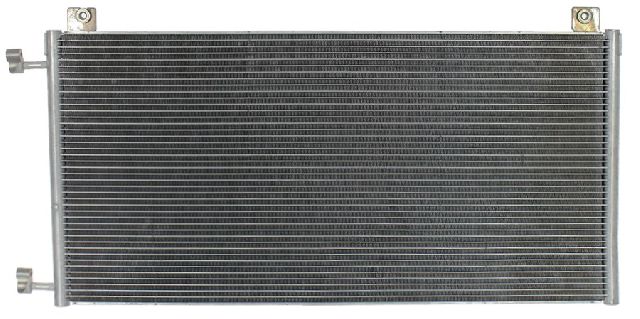
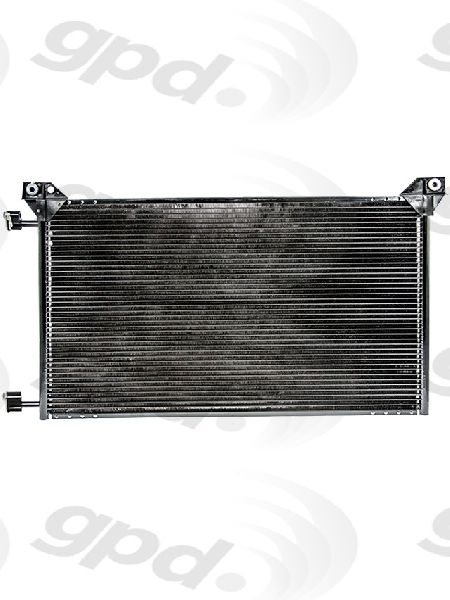
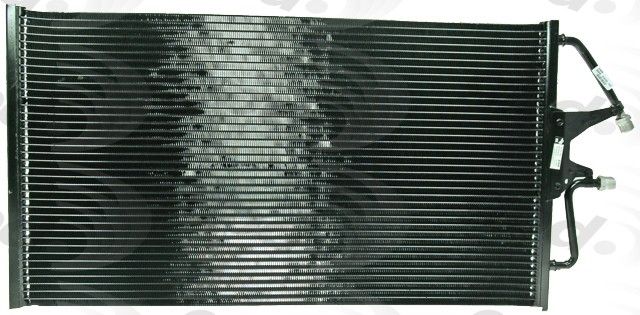
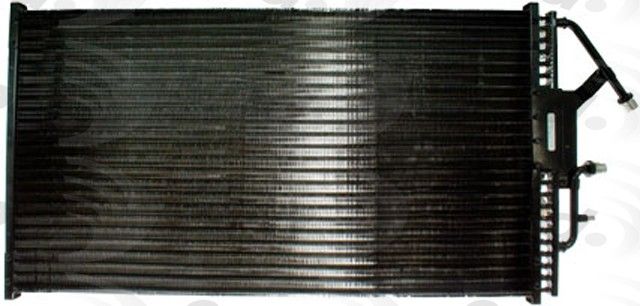
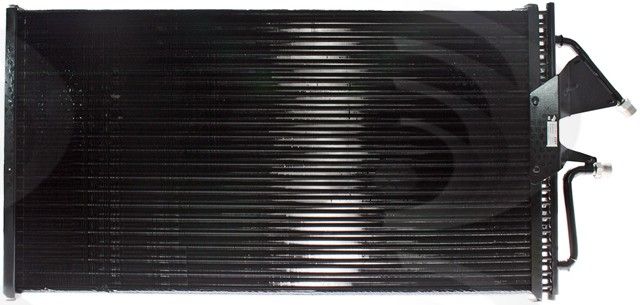
The 1991-2002 model years span a major change in A/C systems. Early models (typically 1991-1994) used R-12 refrigerant. Later models (1995-2002) used the newer R-134a. Many older trucks have been converted from R-12 to R-134a. R-134a systems run at higher pressures and require a more efficient condenser to cool properly. When replacing your condenser, choosing a modern "parallel flow" design is highly recommended, as it provides the superior cooling needed for R-134a and is a significant upgrade for older R-12 systems that have been converted.
Choosing the Right Aftermarket Condenser
With original GM parts being scarce and expensive for this era of truck, the aftermarket is your best bet. However, not all aftermarket parts are created equal. They generally fall into three tiers.
Brand Quality Tiers
- Premium Brands (e.g., Denso, ACDelco): These companies are often original equipment manufacturers for GM and other automakers. Their parts are known for excellent fit, finish, and performance that meets or exceeds factory specifications. For a critical part you only want to replace once, these are a top choice.
- Value Brands (e.g., Spectra Premium, APDI, Global Parts/GPD, TYC): These brands offer a good balance of quality and price. They are a popular choice for daily drivers and work trucks, generally providing good performance and fitment without the premium price tag.
- Economy Brands: These are often unbranded or private label parts. While the low price is tempting, they can be a gamble. Issues may include fewer cooling fins, lower quality materials, and poor fitment that requires modification to install.
Always Replace These Parts with the Condenser
When you replace the A/C condenser, you MUST also replace the A/C accumulator/drier and the orifice tube. The accumulator contains a desiccant that absorbs moisture from the system, and it can only hold a limited amount. Opening the system to replace the condenser exposes the accumulator to atmospheric moisture, saturating it. Failing to replace these components will void the warranty on your new condenser and likely lead to premature failure of the entire A/C system.
Replacement Cost
The total cost of replacing the A/C condenser depends on the parts you choose and whether you do the labor yourself. Remember that the A/C system must be professionally evacuated before work begins and vacuumed and recharged after.
| Part/Service | Estimated Cost |
|---|---|
| New Aftermarket Condenser | $97 - $157 |
| New OEM Condenser | $200+ (if available) |
| Accumulator/Drier & Orifice Tube | $30 - $60 |
| Shop Labor (Evacuate, Install, Recharge) | $250 - $450 |
Frequently Asked Questions
Do I have to be a certified mechanic to replace the condenser?
While you can replace the physical part yourself, the law requires that the refrigerant in the system be recovered by a licensed professional with certified equipment before you start. After you install the new parts, the system must be vacuum tested for leaks and then recharged with the correct amount of refrigerant and oil, which is also best done by a professional.
Can I use a condenser from a C1500 or C2500?
Yes, for the most part. The A/C condenser is generally the same across the C/K truck lineup (1500, 2500, 3500, and 3500HD) for the GMT400 platform within similar years. However, always verify the fitment for your specific year and engine using the part number before purchasing.
Are there any recalls on the C3500HD A/C condenser?
No, there are no specific recalls or widespread Technical Service Bulletins (TSBs) from GM related to the A/C condenser for the 1991-2002 Chevrolet C3500HD. Any failures today are typically due to the age of the vehicle and normal wear and tear.
What is a parallel flow condenser and do I need one?
A parallel flow condenser is a more modern and efficient design compared to the older tube-and-fin style. It does a much better job of cooling the refrigerant. If your truck uses R-134a refrigerant (or has been converted to it), a parallel flow condenser is highly recommended to get the coldest possible air from your vents. Most quality aftermarket replacements for this truck are of the parallel flow design.
Technical Specifications
OEM Part Numbers: 52455842 52455855 52486531 52411109
The key specification is the design type. For the 1991-2002 C3500HD, upgrading from an original tube-and-fin design to a modern PARALLEL FLOW condenser is highly recommended for improved cooling efficiency, especially with R-134a refrigerant.
We Have This Part in Stock

The information in this article is provided for general reference and educational purposes only. Vehicle specifications, procedures, and part compatibility can vary by production date, trim level, and region. Always consult your vehicle's factory service manual and verify part numbers before purchasing or performing repairs. Safety-critical components such as airbags, seat belts, and braking systems should be installed by a qualified professional.
- Chevrolet C3500HD: