

Chevrolet C3500HD (1991-2002) Engine Coolant Temperature Sensor Facts
A bad coolant temperature sensor can cause poor fuel economy, rough running, and a check engine light on your C3500HD.
- Your C3500HD may have multiple temperature sensors; identify the correct one (for the ECM vs. the gauge) before buying.
- A faulty ECT sensor can cause a Check Engine Light with codes P0117 or P0118, poor MPG, and black smoke.
- For reliability on a work truck, choosing a Tier 1 brand like ACDelco or Delphi is highly recommended.
- Replacement is simple, but the engine must be cool, and you should be prepared to swap the sensor quickly to minimize coolant loss.
Understanding the Coolant Temp Sensor in Your C3500HD
The Engine Coolant Temperature (ECT) sensor is a critical component that tells your truck's computer how hot the engine is. This isn't just for the temperature gauge on your dash; it's a primary input for the Engine Control Module (ECM). The ECM uses the sensor's reading to make constant adjustments to the fuel mixture and ignition timing for optimal performance and efficiency. A failing sensor can send incorrect information, leading to a variety of noticeable problems.
🎬 See how to test your sensor to confirm it's actually failing.Do I Have One or Two Sensors?
This is a common point of confusion for 1991-2002 C3500HD owners. Depending on your engine and model year, you may have more than one sensor related to coolant temperature.
- For the ECM: This is the main two-wire sensor that provides data to the engine computer. On V8 gas engines (5.7L, 7.4L), it's typically located on the intake manifold near the thermostat housing. On 6.5L diesel engines (1994+), this sensor is found on the coolant crossover pipe.
- For the Gauge: This is often a separate, single-wire sending unit that controls the temperature gauge on your instrument cluster. On 6.5L diesels and many 7.4L models, this is located on the driver's side cylinder head.
- For the Aux Fan: Some trucks, particularly those with the 7.4L (454) engine and heavy-duty cooling packages, may have a third switch in the passenger-side cylinder head that controls an auxiliary electric cooling fan.
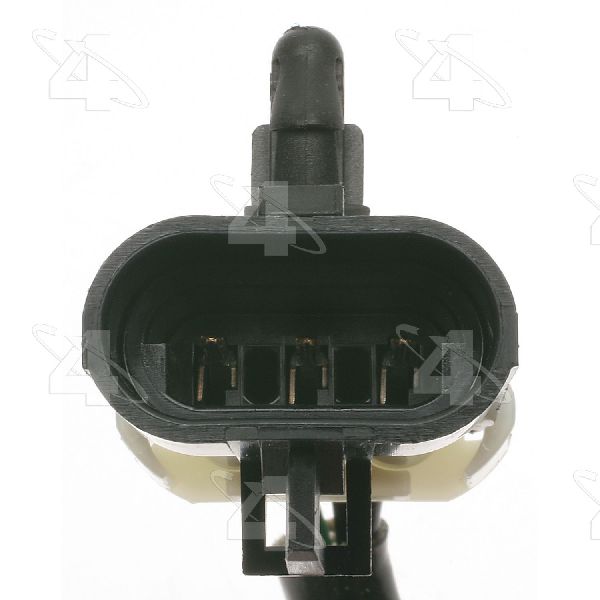
Pro Tip: Before ordering, visually inspect your engine to confirm which sensor you need to replace. The sensor for the ECM (which triggers check engine lights) is usually a two-wire sensor, while the sensor for the gauge is often a one-wire sender.
Choosing the Right Aftermarket Sensor
With a wide price range, picking the right sensor can be confusing. Quality matters, as a cheap, inaccurate sensor can cause performance issues that are hard to diagnose. Here’s a breakdown of brand quality tiers based on reputation and their role as original equipment suppliers.
Brand Quality Tiers
| Tier | Brands | Notes |
|---|---|---|
| Tier 1: OEM / Premium Aftermarket | ACDelco, Delphi | ACDelco is the original GM parts brand, and Delphi was the original equipment manufacturer for many of these parts. Choosing either is as close to factory quality as you can get. They are engineered for your specific vehicle and provide the most reliable performance. |
| Tier 2: Quality Aftermarket | NGK, Standard Ignition (SMP), Walker Products, Holstein | These are reputable brands known for producing reliable sensors that meet or exceed OEM specifications. Standard Motor Products, in particular, is a long-standing, trusted name in automotive electronics. NGK is also highly regarded for its sensor technology. |
| Tier 3: Economy Options | Four Seasons, Global Parts, True Tech | These brands offer a more budget-friendly solution. While functional, they may not have the same long-term durability or precise calibration as higher-tier brands. They can be a viable option for a quick, inexpensive repair, but for a work truck like the C3500HD, investing in a higher-quality sensor is often recommended. |
Known Issues, Recalls, and TSBs
Searches for recalls and Technical Service Bulletins (TSBs) specific to the engine coolant temperature sensor on the 1991-2002 Chevrolet C3500HD did not yield any specific results. However, a recall (NHTSA 21V-496) was found for newer (2017-2019) Silverado HD trucks related to engine block heaters leaking coolant, which is a separate issue not affecting the ECT sensor itself.
Frequently Asked Questions (FAQ)
Where is the ECT sensor located on my C3500HD?
The location depends on your engine. For the main ECM sensor: on 5.7L and 7.4L V8s, it's usually on the front of the intake manifold, near the thermostat. On 6.5L diesels (1994+), it's on the coolant crossover pipe near the passenger side. The separate gauge sender is often on the driver's side cylinder head.
Is it hard to replace the ECT sensor?
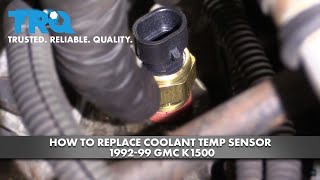
No, it's generally an easy job for a DIYer. 🎬 Watch this step-by-step guide on replacing the sensor yourself. It involves disconnecting the battery, unplugging the electrical connector, and unscrewing the old sensor. Have the new sensor ready to install quickly to minimize coolant loss. Make sure the engine is completely cool before starting.
Does the new sensor need thread sealant?
Many new sensors, especially from brands like ACDelco, come with thread sealant already applied. If not, it is a good idea to apply a small amount of automotive-grade thread sealant or Teflon tape to the threads to ensure a leak-free seal.
Why is there such a big price difference between sensors?
The price difference reflects brand reputation, quality of materials (brass vs. other metals), precision of the internal thermistor, and whether it includes a new connector pigtail. OEM brands like ACDelco and Delphi typically cost more but offer factory-grade reliability.
Helpful Videos

Technical Specifications
OEM Part Numbers: 12650595 213-4514 19236568 213-77
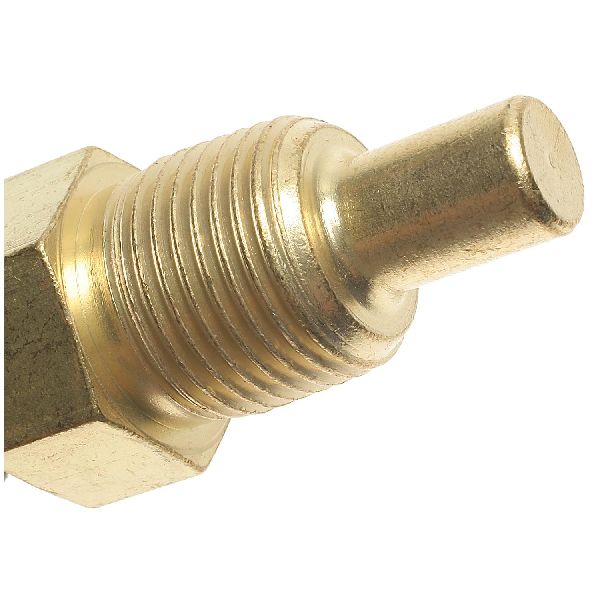
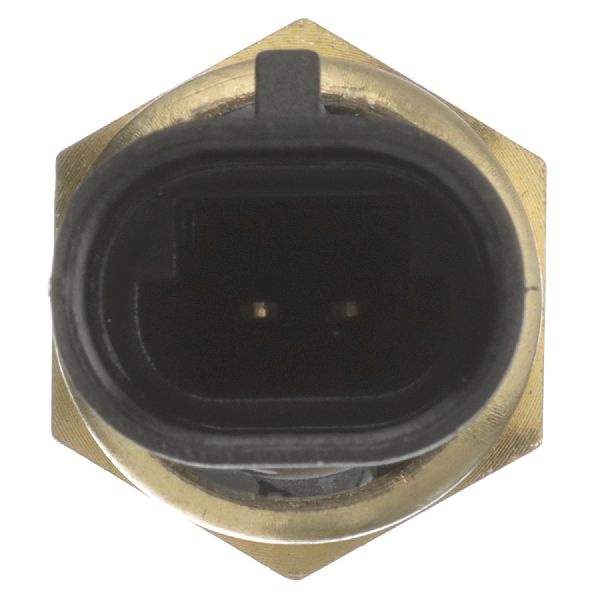
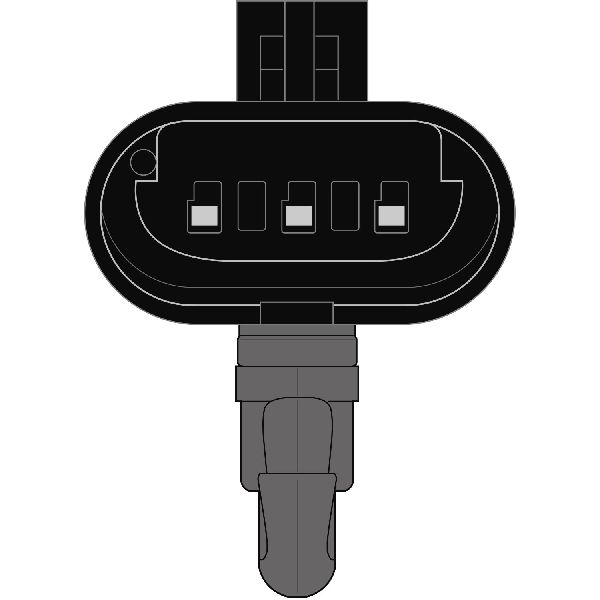
The sensor is a thermistor, meaning its electrical resistance changes with temperature. The ECM sends a 5-volt reference signal and reads the return voltage to determine coolant temperature. Most sensors for this application use a 2-pin connector and are made of brass.
We Have This Part in Stock



The information in this article is provided for general reference and educational purposes only. Vehicle specifications, procedures, and part compatibility can vary by production date, trim level, and region. Always consult your vehicle's factory service manual and verify part numbers before purchasing or performing repairs. Safety-critical components such as airbags, seat belts, and braking systems should be installed by a qualified professional.
- Chevrolet C3500HD: