

Chrysler Grand Voyager Engine Mount Guide: 1991-2002
Stop the shaking and clunking noises in your Grand Voyager by choosing the right replacement engine mount.
- The most common symptoms of failure are excessive vibration at idle and a loud clunking noise when shifting gears.
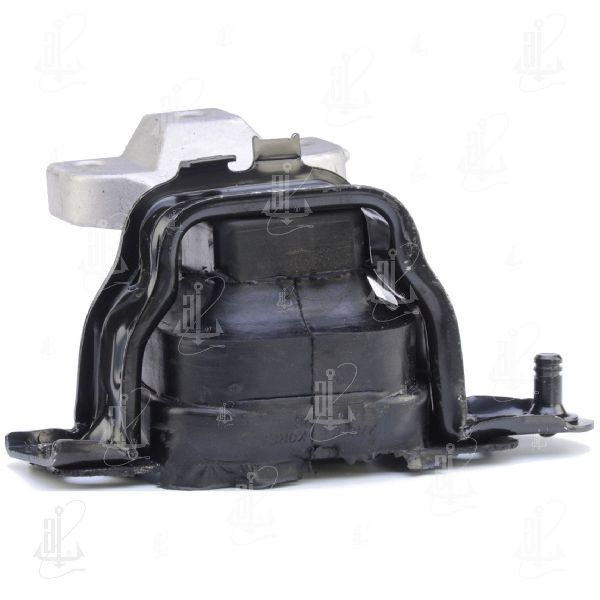
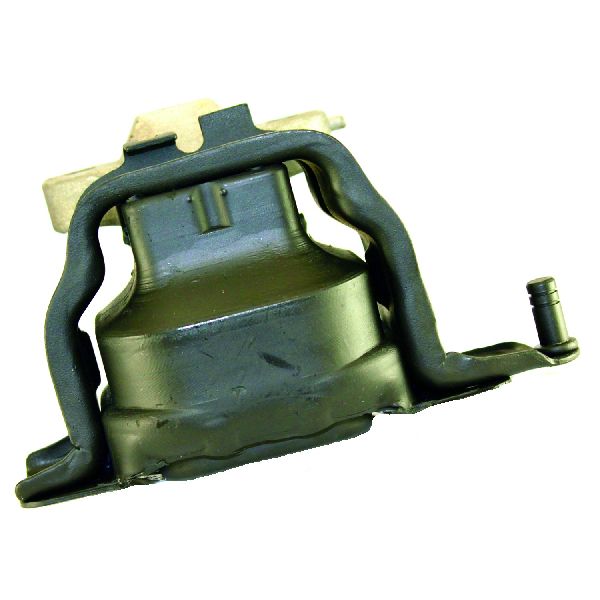
- The passenger-side engine mount is the most frequent failure point on this generation of Grand Voyager.
- Budget aftermarket brands (Anchor, DEA) can fix a clunk but may increase vibration; OEM Mopar mounts are recommended for the best ride quality and longevity.
- Replacing mounts as a set is recommended because if one has failed, the others are likely worn and will fail soon.
Is Your Grand Voyager Shaking or Clunking?
When an engine mount fails on your 1991-2002 Grand Voyager, the symptoms are usually obvious. The rubber that was designed to absorb vibration and control movement is no longer doing its job. Because these vans are over two decades old, the original rubber has likely become hard, brittle, and worn out.
Common Symptoms of a Bad Engine Mount
- Excessive Vibration at Idle: This is the most common sign. You will feel a strong vibration through the steering wheel, seats, or floor when the van is stopped but still in gear, like at a red light. The vibration may decrease if you shift into Neutral or Park.
- Loud Clunking or Thudding Noises: A loud 'clunk' or 'thump' when you shift from Park into Drive or Reverse is a classic indicator of a failed mount. This is the sound of the engine moving excessively and hitting its limits because the mount can no longer hold it securely.
- Impact Noises During Driving: You might hear or feel a jolt when accelerating or decelerating as the engine's weight shifts forward and backward.
Pro Tip: The Shifter Test
You can often see a bad mount in action. With the hood open, the parking brake set firmly, and a helper's foot securely on the brake pedal, have them shift the van from Drive to Reverse and back. Watch the engine block. If it lurches or rocks more than an inch or two, it's a clear sign that one or more mounts have failed.
Known Issues for 1991-2002 Grand Voyager
While there are no official recalls or widespread Technical Service Bulletins (TSBs) for engine mount failure on this generation of Grand Voyager, owner experience points to a common failure point. The passenger-side engine mount is frequently the first one to fail on these minivans. The front lower mount, often called a 'dog bone' or torque strut, is also prone to wear. If one mount has failed, the others are likely worn out and under extra stress. For the best long-term repair, it is recommended to replace the mounts as a set.
Choosing the Right Aftermarket Engine Mount
For an older vehicle like the 1991-2002 Grand Voyager, balancing cost and quality is key. Original Mopar parts can be expensive, but the cheapest aftermarket options can cause new problems.
Brand Quality Tiers
- Economy (Good): Anchor, DEA
These brands are the most affordable and are widely available. They will solve the problem of a completely broken mount that is causing loud clunking. However, be aware that many of these budget-friendly mounts are made of a harder, solid rubber compound instead of being fluid-filled like the originals. This can lead to a noticeable increase in cabin vibration compared to the factory parts. For an owner on a tight budget, they are a functional choice, but don't expect an OEM-smooth ride. - Mid-Grade (Better): Crown Automotive
Crown Automotive is often seen as a step-up from economy brands, particularly in the Chrysler/Jeep community. While still an aftermarket part, they may offer a better fit and more consistent quality than the cheapest options. However, quality can sometimes be inconsistent across their product lines. This is a reasonable middle-ground choice if OEM parts are out of your budget. - Premium (Best): OEM Mopar
For ride quality and durability, nothing beats the original equipment (OEM) Mopar mounts. They are designed specifically for your vehicle to absorb vibrations correctly. Although they have the highest initial cost, many experienced owners and mechanics recommend them for those who plan to keep their van running smoothly for years to come. Given the age of the vehicle, finding new OEM stock may be challenging, but it is the best option for restoring the original ride feel.
| Part Type | Estimated Cost (Per Mount) |
|---|---|
| New Aftermarket (Economy) | $10 - $40 |
| New Aftermarket (Mid-Grade) | $40 - $75 |
| New OEM (Mopar) | $75 - $200+ |
| Shop Labor | $100 - $450 |
Note: Labor costs can vary significantly based on which mount is being replaced and local shop rates. The rear mount is typically the most difficult and time-consuming to access.
Frequently Asked Questions (FAQ)
Which engine mount fails most often?
For the 1991-2002 Chrysler minivans, the passenger-side engine mount is the most common failure point. It supports a significant amount of the engine's weight and torque.
Can I replace just the one broken mount?
Yes, you can. However, engine mounts wear out at a similar rate. A single failed mount puts extra strain on the remaining ones, which are likely the same age and condition. Replacing them as a set provides a better, longer-lasting repair and restores a smoother ride.
Is replacing an engine mount a DIY job?
Yes, for a home mechanic with the right tools, this is a manageable job. It requires a good socket set, a floor jack, and a block of wood to safely support the engine's weight before you unbolt the old mount. If you are not comfortable with this procedure, it is best to leave it to a professional mechanic.
Why does my van vibrate *after* I replaced the mounts?
This is a common issue when using budget-friendly aftermarket mounts. Many are made of solid, hard rubber that does not absorb vibration as well as the fluid-filled OEM design. It can also be caused by improper installation; the engine must be settled into its natural position before the mount bolts are fully tightened to prevent the mount from being in a bind.
Technical Specifications
OEM Part Numbers: 4612427 4612431 4612304 4861255AB 4612413 4612914
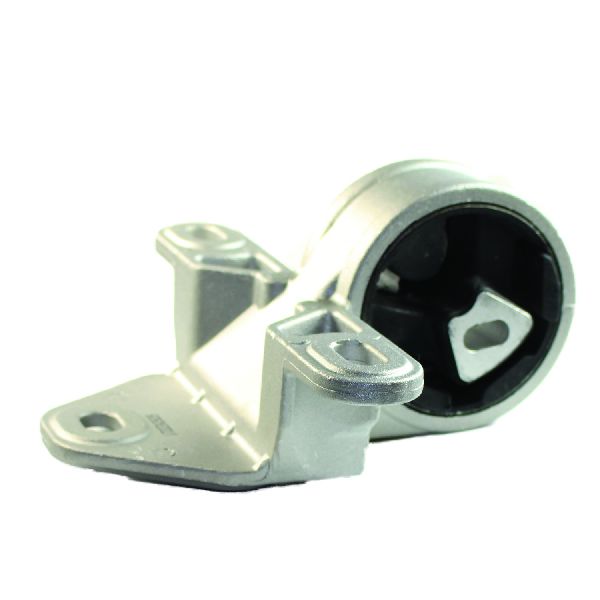
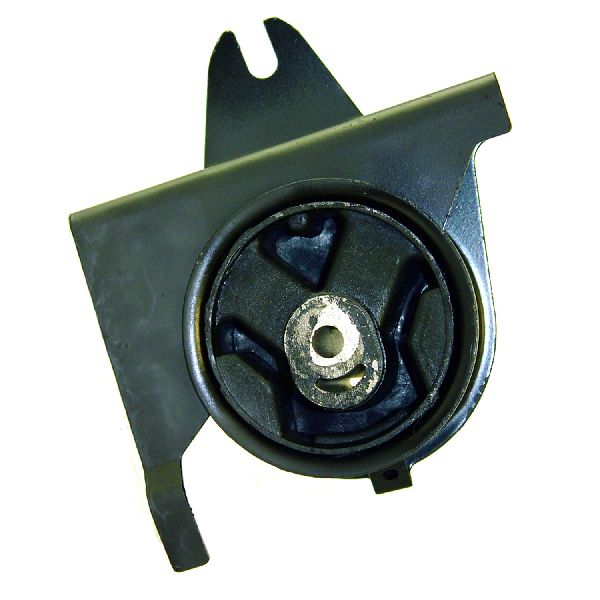
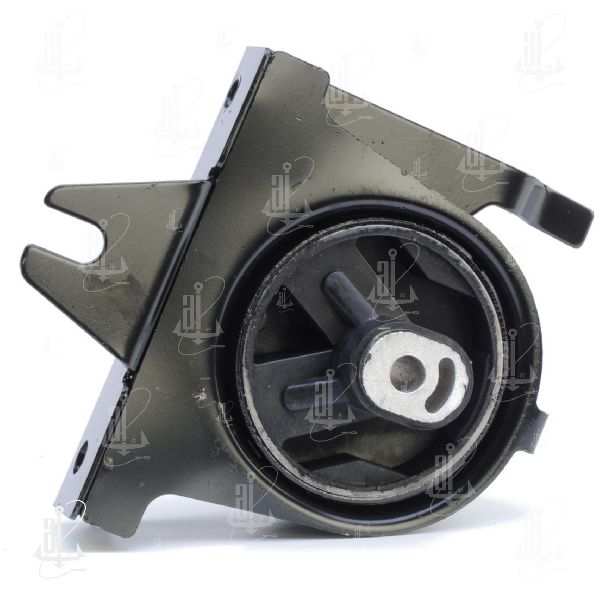
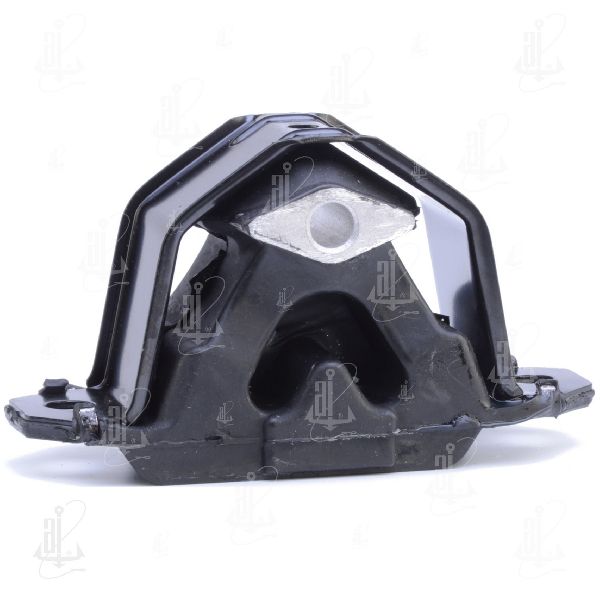
Your Grand Voyager uses a set of three or four mounts to secure the engine and transmission. This includes a primary engine mount (passenger side), a transmission mount (driver side), and one or two lower torque struts (often called 'dog bone' mounts) to control rotational movement.
We Have This Part in Stock

The information in this article is provided for general reference and educational purposes only. Vehicle specifications, procedures, and part compatibility can vary by production date, trim level, and region. Always consult your vehicle's factory service manual and verify part numbers before purchasing or performing repairs. Safety-critical components such as airbags, seat belts, and braking systems should be installed by a qualified professional.
- Chrysler Grand Voyager: