

Steering Gear Replacement Guide for the 1991-2002 GMC C3500HD
Tired of constant steering wander and play? This guide covers what to know when replacing the steering gear on your heavy-duty GMC truck.
- Excessive steering play and wandering are the most common symptoms of a failing steering gear on the C3500HD.
- Strongly consider a NEW aftermarket unit over a remanufactured one. Remanufactured gears for these trucks have a widespread reputation for poor quality and early failure.
- The job is labor-intensive. Removing the pitman arm can be very difficult and may require a special puller and heat.
- Always flush the entire power steering system and replace the fluid to protect the new gear and validate its warranty.
Is Your C3500HD Steering Gear Failing?
The steering gear on the GMT400 platform, which includes your 1991-2002 GMC C3500HD, is a known wear item. After decades of service, especially on a work truck, symptoms of failure are common. Ignoring them can be dangerous as it compromises your control of the vehicle.
Key Symptoms of a Bad Steering Gear:
- Excessive Steering Play: This is the most common complaint. You'll notice a large “dead zone” in the steering wheel where you can turn it back and forth without the wheels responding.
- Vehicle Wandering: The truck feels like it's drifting or wandering on the road, requiring constant small corrections to keep it straight.
- Power Steering Fluid Leaks: You may see reddish or brown fluid dripping from the gearbox itself, often from the seals on the input shaft (from the steering column) or the output shaft (where the pitman arm connects).
- Grinding or Popping Noises: Unusual sounds when turning the wheel can indicate worn internal gears or bearings.
- Tight or Binding Steering: While less common than looseness, the steering can become tight or bind in certain spots if the internal components are failing.
Pro Tip: Before condemning the gearbox, have a helper turn the steering wheel back and forth (within the 'play') while you watch the steering components. Check for movement in the pitman arm, idler arm, and intermediate steering shaft. Sometimes, these other worn parts can mimic a bad steering gear.
Choosing a New Aftermarket Steering Gear: New vs. Remanufactured
For a vehicle of this age, a new OEM steering gear is likely unavailable or extremely expensive. Your choice will be between a new aftermarket part and a remanufactured (rebuilt) one. The price difference is significant, but so is the quality risk.
Remanufactured (e.g., BBB Industries)
Remanufactured parts are old OEM units that have been rebuilt. While budget-friendly, they have a poor reputation for quality and reliability. Forum users and mechanics frequently report issues with remanufactured steering gears from brands like BBB Industries, citing immediate leaks and premature failure. Many find that even with a lifetime warranty, the hassle and labor cost of replacing the part multiple times makes it a bad deal.
Warning: We strongly advise against low-cost remanufactured steering gears. Multiple owner accounts describe these parts as "junk" that leak right out of the box due to poor quality control. The labor to install a steering gear is significant, so it's worth paying more for a quality part to avoid doing the job twice.
New Aftermarket (e.g., PWR)
New aftermarket parts are built from scratch. Brands like PWR offer 100% new steering gears, which eliminates the risk of hidden wear found in rebuilt cores. These parts are marketed as being engineered and tested to meet or exceed OEM standards. While they are the most expensive aftermarket option, they offer the best chance for a long-lasting, reliable repair. The main drawback is a higher initial cost.
Replacement Cost
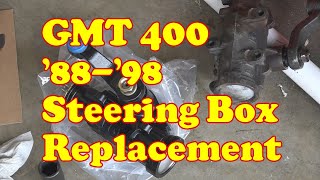
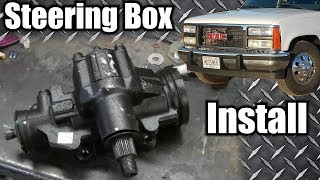
The cost to replace a steering gear varies based on the part you choose and local labor rates. The job is labor-intensive, so doing it yourself can save a lot of money if you have 🎬 Watch this step-by-step GMT400 steering gear replacement walkthrough. the right tools and experience.
| Item | Estimated Cost |
|---|---|
| New Aftermarket Part | $196.47 - $922.85 |
| Shop Labor | $180 - $270 |
| Total Professional Replacement | $400 - $1200+ |
Frequently Asked Questions
Can I just adjust my old steering gear to fix the play?
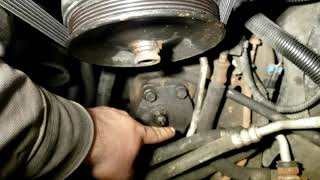
There is an adjustment screw on top of the steering gear. Tightening it in small increments (1/4 turn at a time) can sometimes reduce minor play. However, this is often a temporary fix for a worn-out gear. Overtightening can cause the steering to bind and lead to rapid failure. 🎬 Watch a demonstration on how to adjust your steering box. If your gear is leaking or has significant play, replacement is the only correct solution.
What other parts should I inspect or replace at the same time?
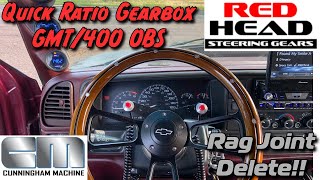
While replacing the steering gear, it's the perfect time to inspect the entire steering system. Check the pitman arm, idler arm, tie rod ends, and the intermediate steering shaft for any play. 🎬 See how to upgrade your steering gear and intermediate shaft. Also, inspect the power steering hoses for cracks, brittleness, or leaks. Replacing worn hoses now is much easier than later.
Why is flushing the power steering system so important?
Flushing the system removes old, contaminated fluid and any metal shavings from the failing gearbox. Skipping this step can cause your new steering gear to fail prematurely, and it will often void the part's warranty. Always flush the system and fill with fresh, manufacturer-specified power steering fluid.
What are the most common mistakes when ordering this part?
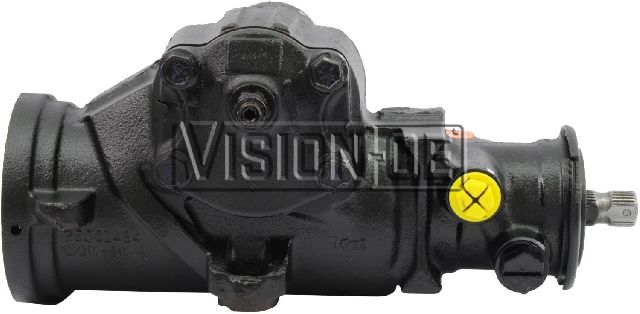
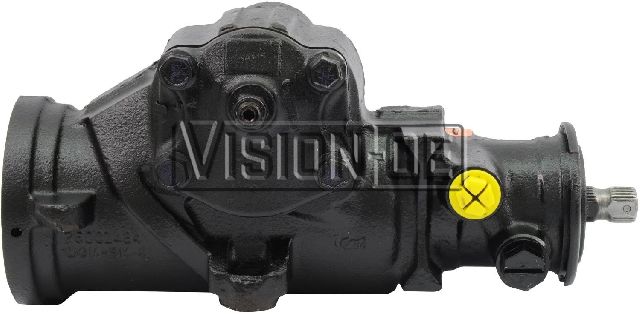
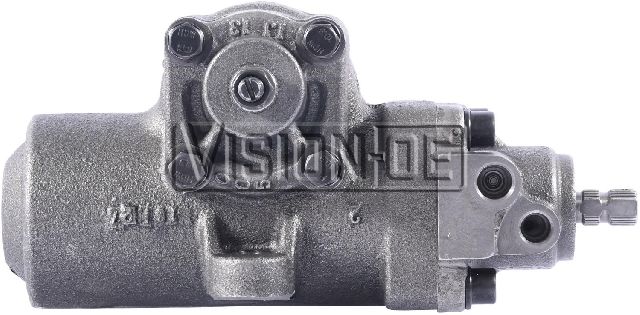
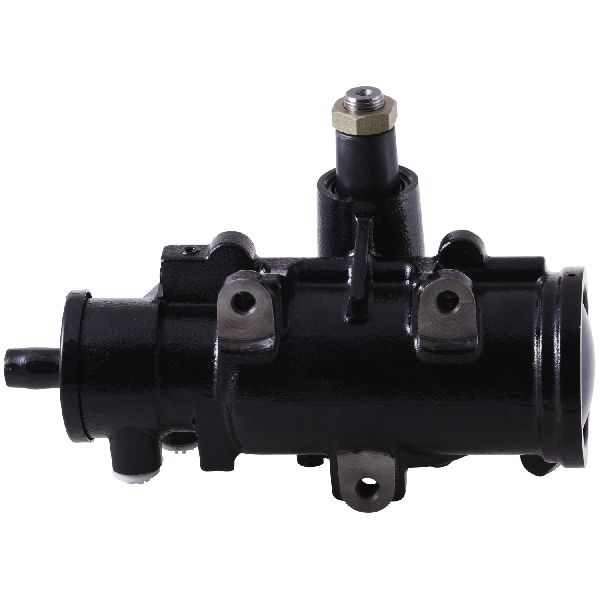
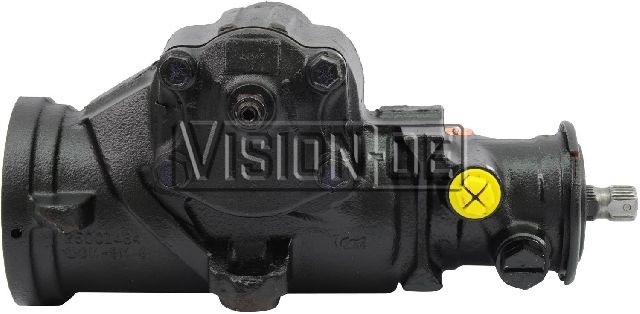
For this generation of GM trucks, you must verify two things on your original gearbox: the number of mounting bolts (usually 3, but some may have 4) and the spline count for the pitman arm. Some have 3 master splines and some have 4. Counting the splines or notches on your old unit before ordering is essential to ensure you get the correct part.
Helpful Videos
Technical Specifications
OEM Part Numbers: 26015779
Before ordering, you must confirm if your truck uses a 3-bolt or 4-bolt mounting pattern for the steering gear. You must also confirm if your pitman arm shaft has 3 or 4 master splines.
We Have This Part in Stock

The information in this article is provided for general reference and educational purposes only. Vehicle specifications, procedures, and part compatibility can vary by production date, trim level, and region. Always consult your vehicle's factory service manual and verify part numbers before purchasing or performing repairs. Safety-critical components such as airbags, seat belts, and braking systems should be installed by a qualified professional.
- GMC C3500HD: