

Infiniti G20 Engine Coolant Temperature Sensor: A Comprehensive Guide (1991-2002)
Understanding the Engine Coolant Temperature Sensor in your G20 is key to maintaining engine health and performance.
- A failing ECT sensor can cause poor fuel economy, overheating, and rough running in your G20.
- This is a DIY-friendly repair that most owners can perform with basic tools in under an hour.
- For best results and reliability, choose an OEM or premium aftermarket brand like NGK, Delphi, or Beck Arnley.
- Common fault codes associated with a bad ECT sensor are P0115, P0117, and P0118.
Understanding Your G20's Coolant Temperature Sensor
The Engine Coolant Temperature (ECT) sensor is a vital part of your 1991-2002 Infiniti G20's engine management system. It doesn't just run the temperature gauge on your dashboard; it provides critical data to the Engine Control Unit (ECU). This information influences everything from fuel injection and ignition timing to when the cooling fans activate. A faulty sensor can lead to a range of problems, from poor fuel economy to serious engine performance issues.
Symptoms of a Failing ECT Sensor
When the ECT sensor in your G20 starts to fail, it can send incorrect signals or no signal at all. This can cause a variety of noticeable symptoms:
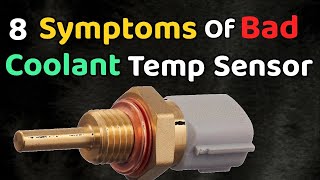
🎬 Watch this video to see common warning signs of failure.- Check Engine Light: A failing ECT sensor will often trigger the Check Engine Light and store diagnostic trouble codes like P0115, P0117, or P0118.
- Poor Fuel Economy: If the sensor incorrectly tells the ECU the engine is cold, the computer will enrich the fuel mixture, causing you to use more gas than necessary.
- Engine Overheating: A bad sensor might fail to trigger the radiator fans, leading to overheating, especially in stop-and-go traffic.
- Black Smoke from Exhaust: An overly rich fuel mixture, caused by a bad sensor reading, can result in unburnt fuel exiting the exhaust as black smoke.
- Hard Starting: The ECU relies on the ECT sensor for cold starts. A bad signal can make the engine difficult to start, particularly when cold.
- Rough Idle: The engine may idle roughly or stall until it warms up because the ECU is using incorrect data for fuel and timing adjustments.
A Note on G20 ECT Sensors
It's important to distinguish between the ECT sensor that sends information to the ECU and the separate sender unit that operates the temperature gauge on your dashboard. This guide focuses on the ECU sensor, which is critical for engine management. Failure of this sensor directly impacts how your engine runs.
Choosing the Right Aftermarket Part
When replacing the ECT sensor on your G20, you have a choice between OEM (Original Equipment Manufacturer) and various aftermarket brands. For critical electronic parts like this, the decision matters.
- OEM/Premium Aftermarket (e.g., NGK, Delphi, Beck Arnley): Many experienced mechanics and Nissan/Infiniti enthusiasts recommend sticking with OEM or high-quality aftermarket brands for sensors. These parts are engineered to match the original's precise resistance and temperature range, ensuring accurate readings for the ECU. Brands like NGK (NTK) and Delphi are often original equipment suppliers and are a reliable choice.
- Value-Priced Aftermarket (e.g., URO Parts, Standard Ignition, Four Seasons): While more affordable, some lower-cost aftermarket sensors may not have the same quality control or exact specifications as OEM parts. This can sometimes lead to slightly inaccurate readings, which could affect performance and fuel economy, even if it resolves the main fault code. For a vehicle like the G20, where engine performance is a key characteristic, a quality sensor is a worthwhile investment.
Pro Tip: Given the low cost of even premium aftermarket sensors and the importance of this part for engine health, opting for a well-regarded brand like NGK, Delphi, or Beck Arnley is highly recommended for your G20. The small price difference is worth the peace of mind.
| Part Type | Estimated Cost |
|---|---|
| New Aftermarket | $4.99 - $47.79 |
| New OEM | $35 - $50 |
| Shop Labor | $75 - $150 |
Frequently Asked Questions (FAQ)
Where is the ECT sensor located on my Infiniti G20?
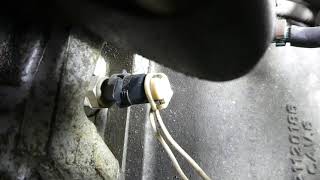
On the SR20DE engine used in the G20, the ECT sensor is typically located on the cylinder head, near the thermostat housing, under the intake manifold. You will need to follow the upper radiator hose to the engine to find the general area.
🎬 See exactly where the sensor is located on the engine.Can I replace the G20's ECT sensor myself?
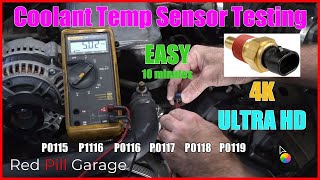
Yes, this is a DIY-feasible job for most home mechanics. It involves partially draining the coolant, unplugging the electrical connector, unscrewing the old sensor, and installing the new one. The estimated time is under an hour. 🎬 Follow this step-by-step guide to test and replace your sensor. Ensure the engine is completely cool before starting to avoid burns from hot coolant.
Are there any recalls for the G20 coolant temperature sensor?
A search of the NHTSA database did not reveal any specific recalls for the engine coolant temperature sensor on the 1991-2002 Infiniti G20.
Do I need to buy a new connector?
Usually, no. However, the plastic connector can become brittle over time. Inspect it carefully when you unplug it. If it's cracked or the locking tab breaks, you should replace the connector pigtail to ensure a secure connection.
Helpful Videos

Technical Specifications
OEM Part Numbers: 22630-51E02 22630-44B20 22630-51E00 22630-44B10 22630-71L00 22630ED000
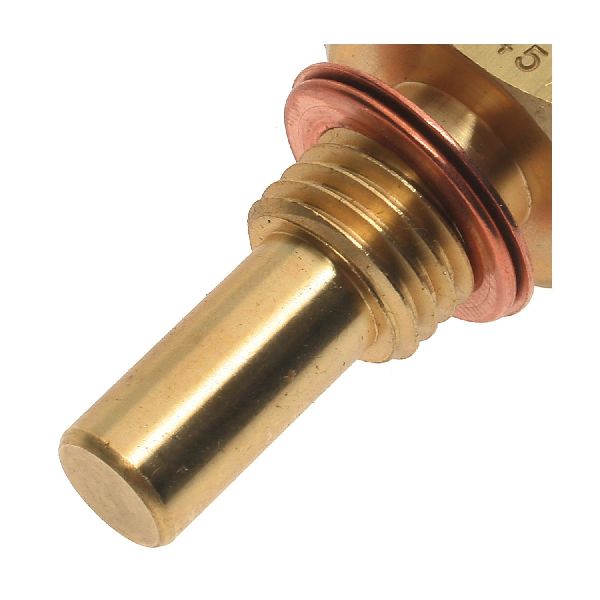
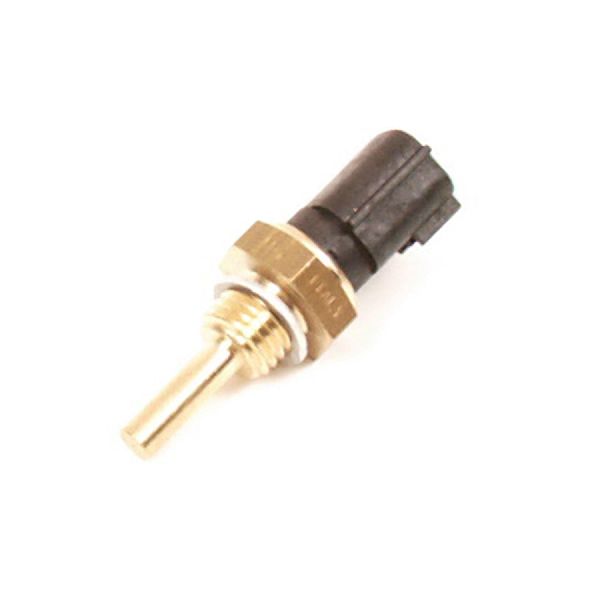
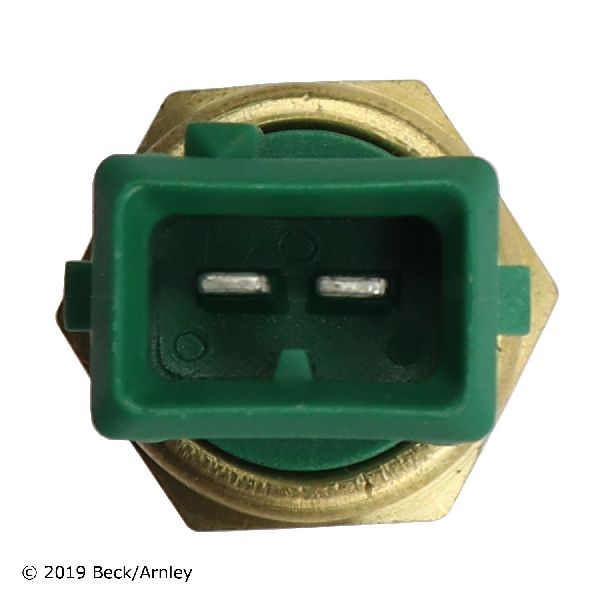
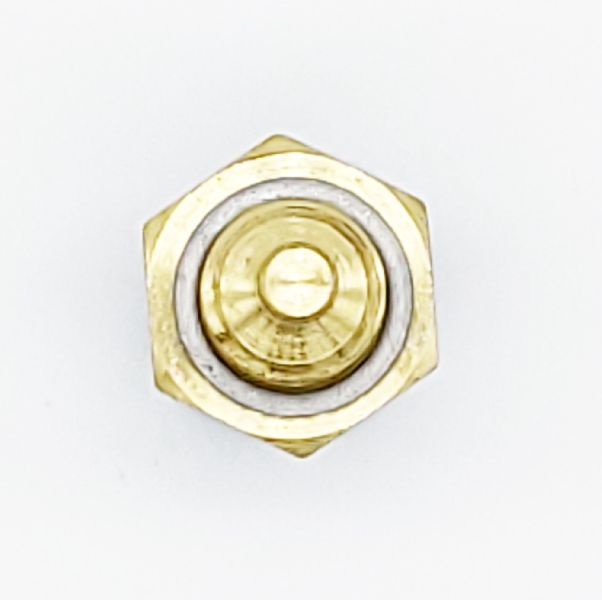
The ECT sensor for the Infiniti G20 is a two-wire thermistor, typically with a square-style electrical connector. It is screwed into a coolant passage on the engine's cylinder head, often near the thermostat housing. Thread size is commonly M12.
We Have This Part in Stock


The information in this article is provided for general reference and educational purposes only. Vehicle specifications, procedures, and part compatibility can vary by production date, trim level, and region. Always consult your vehicle's factory service manual and verify part numbers before purchasing or performing repairs. Safety-critical components such as airbags, seat belts, and braking systems should be installed by a qualified professional.
- INFINITI G20: