

Infiniti G20 Oxygen Sensor Guide for 1991-2002 Models
Fix your G20's poor fuel economy and rough idle by choosing the right new aftermarket oxygen sensor.
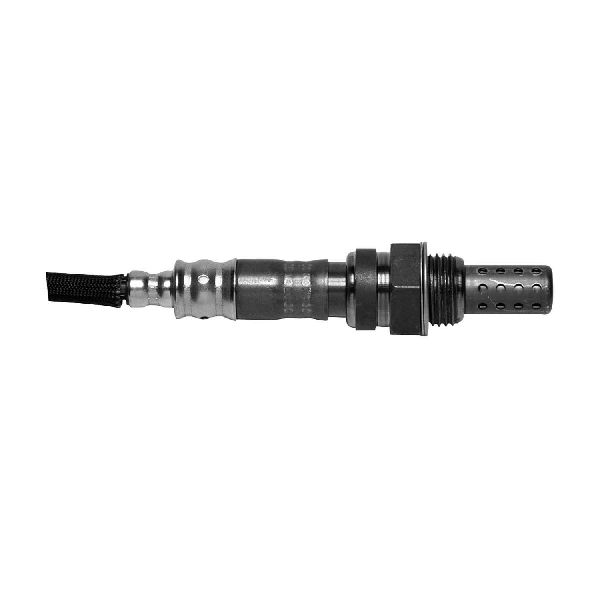
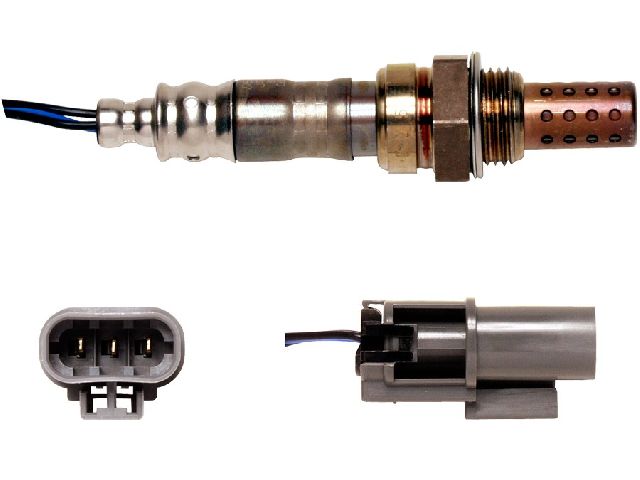
- For best results, choose a direct-fit oxygen sensor from an OEM-quality brand like Denso or NTK (NGK).
- P11 models (1999-2002) have different upstream and downstream sensors; ensure you buy the correct one for the location.
- A bad upstream O2 sensor can damage your expensive catalytic converter over time if not replaced.
- No recalls or specific Technical Service Bulletins (TSBs) for widespread oxygen sensor failure were found for the 1991-2002 G20.
Understanding Oxygen Sensors in Your Infiniti G20
A bad oxygen sensor can cause a surprising number of problems, from a nagging Check Engine Light to poor gas mileage and a rough-running engine. For the 1991-2002 Infiniti G20, the oxygen sensor system is straightforward, but it's important to know the differences between the two generations of the car.
Generation Differences: P10 vs. P11
Your G20 falls into one of two generations, and the oxygen sensor setup is different for each.
- P10 (1991-1996): These earlier models use an OBD-I diagnostic system. They typically have only one or two oxygen sensors located before the catalytic converter.
- P11 (1999-2002): These later models are OBD-II compliant and have a more complex system. They have at least two sensors: one upstream (before the catalytic converter) and one downstream (after the catalytic converter). The upstream sensor controls the air-fuel mixture, while the downstream sensor monitors the catalytic converter's efficiency.
Pro Tip: Upstream vs. Downstream
The upstream sensor (also called Sensor 1) is the primary sensor that affects how your engine runs. The downstream sensor (Sensor 2) mainly checks if your catalytic converter is working. If you have a code for a downstream sensor, it's often monitoring and not directly impacting engine performance, but it will keep your Check Engine Light on.
Choosing the Right Aftermarket Oxygen Sensor
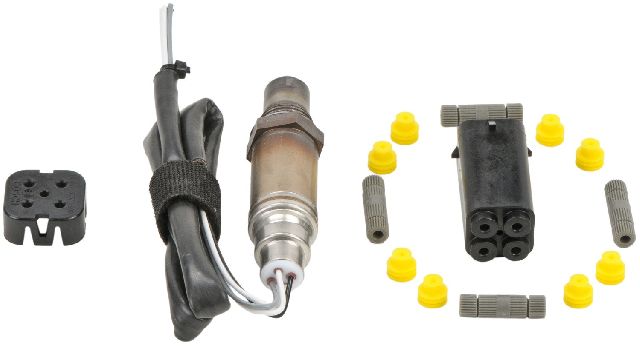
When it comes to sensors for Japanese vehicles like your Infiniti, brand matters. While OEM (Original Equipment Manufacturer) parts from a dealer are an option, high-quality aftermarket parts can provide the same performance for less money. It is highly recommended to use "direct-fit" sensors that have the correct plug and wire length, rather than "universal" sensors that require splicing wires.
Brand Quality Tiers for the G20
- Tier 1 (OEM Quality): Denso & NGK (NTK)
Denso and NTK (the sensor brand from NGK) are often the original suppliers for Nissan and Infiniti. Choosing one of these brands is the safest bet for a direct-fit, reliable replacement that will perform just like the original part. - Tier 2 (Reputable Aftermarket): Bosch & Delphi
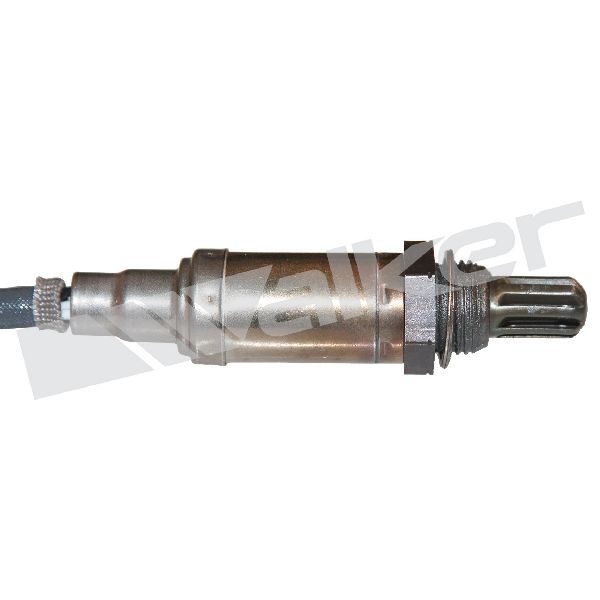
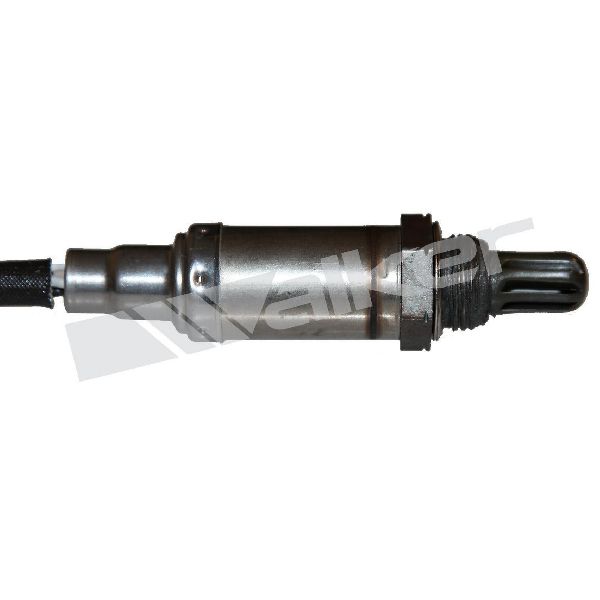
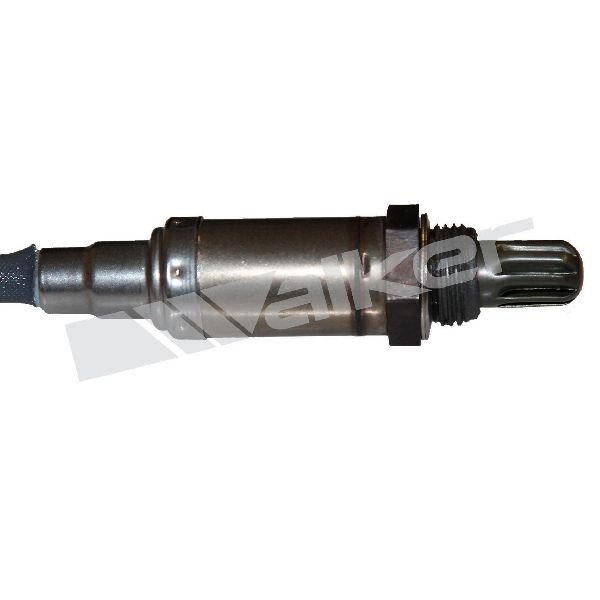
Bosch is a massive OEM supplier for many brands and invented the oxygen sensor. They are a solid choice for the G20. Delphi is another well-regarded brand that offers quality replacement parts. - Tier 3 (Budget-Friendly): Walker Products & DriveWire
These brands offer a more affordable option. While they can work, forum discussions often suggest that for critical sensors, sticking with the OEM-level brands provides better long-term reliability and avoids potential compatibility issues.
A Note on Universal Sensors
Universal oxygen sensors are cheaper because they don't have a specific plug for your car; you have to cut and splice the wires from your old sensor. This can lead to connection problems and incorrect readings. For a hassle-free installation and reliable performance, always choose a direct-fit sensor.
🎬 See this step-by-step replacement guide for the P11 G20Cost of Replacing an Infiniti G20 Oxygen Sensor
| Part/Service | Estimated Cost |
|---|---|
| New Aftermarket Oxygen Sensor | $38 - $165 |
| New OEM Oxygen Sensor | $100 - $300+ |
| Shop Labor | $100 - $200 |
Frequently Asked Questions (FAQ)
How many oxygen sensors does my G20 have?
It depends on the year. P10 models (1991-1996) usually have one or two sensors total. P11 models (1999-2002) have at least two: one upstream (Bank 1, Sensor 1) and one downstream (Bank 1, Sensor 2). Since the G20 has an inline 4-cylinder engine, it only has one "bank."
What are common signs of a failing oxygen sensor?
The most common signs are a lit Check Engine Light, noticeably worse gas mileage, a rough idle, and poor engine performance or hesitation. You might also notice a smell of gasoline from the exhaust.
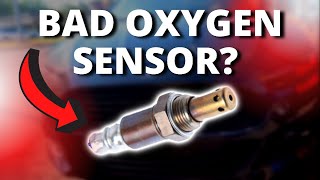
🎬 Watch: Common symptoms of a failing oxygen sensorCan I replace just one sensor?
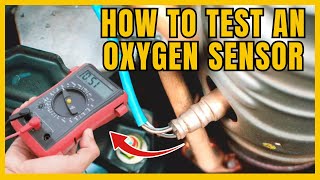
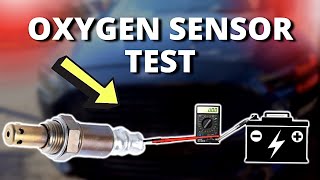
Yes. You only need to replace the sensor that has failed. Your mechanic can read the specific trouble code (e.g., P0135, P0141) to identify which sensor is bad. 🎬 Learn how to test an oxygen sensor the simple way However, if your car has high mileage (over 100,000 miles), the other sensors may not be far from failing as well.
What happens if I don't replace a bad O2 sensor?
Ignoring a bad upstream O2 sensor will cause your engine to run inefficiently, wasting fuel and increasing emissions. Over a long period, running too rich (too much fuel) can overheat and damage your catalytic converter, which is a much more expensive repair.
Helpful Videos
Technical Specifications
OEM Part Numbers: 22690-50F00
The Infiniti G20 uses heated, 3 or 4-wire oxygen sensors with a direct-fit connector. The thread size is typically M18x1.5. P10 (OBD-I) and P11 (OBD-II) models have different sensor configurations and part numbers.
We Have This Part in Stock

The information in this article is provided for general reference and educational purposes only. Vehicle specifications, procedures, and part compatibility can vary by production date, trim level, and region. Always consult your vehicle's factory service manual and verify part numbers before purchasing or performing repairs. Safety-critical components such as airbags, seat belts, and braking systems should be installed by a qualified professional.
- INFINITI G20:
- 🎬 Helpful Videos
- 🛍️ Shop This Part
- Understanding Oxygen Sensors in Your Infiniti G20
- Generation Differences: P10 vs. P11
- Pro Tip: Upstream vs. Downstream
- Choosing the Right Aftermarket Oxygen Sensor
- Brand Quality Tiers for the G20
- A Note on Universal Sensors
- Cost of Replacing an Infiniti G20 Oxygen Sensor
- Frequently Asked Questions (FAQ)
- 🎟️ Get 5% Off