

Mercury Cougar Crankshaft Position Sensor: 1991-2002 Replacement Guide
Solve stalling, no-start, and rough running issues on your 1991-2002 Mercury Cougar by understanding this critical engine sensor.
- You must correctly identify your Cougar's generation (1991-1997 or 1999-2002) as the part and replacement difficulty are very different.
- A failing sensor can cause the engine to stall without warning, which is a major safety risk.
- The most common diagnostic trouble code for this issue is P0335.
- Premium aftermarket brands like Delphi, Denso, and NGK offer a reliable repair without the higher cost of an OEM Motorcraft part.
Is Your Cougar Stalling or Not Starting?
If your Mercury Cougar suddenly stalls, has trouble starting, or the Check Engine Light is on, a faulty crankshaft position sensor is a likely culprit. This small sensor plays a huge role in how your engine runs. When it fails, it can leave you stranded. Understanding its symptoms and knowing which replacement part to choose is key to a reliable repair.
Symptoms of a Failing Crankshaft Sensor
A bad crankshaft sensor sends weak, erratic, or no signals to the engine computer. This can cause a range of problems:
🎬 Watch: 7 common symptoms of a bad crankshaft sensor- Engine Will Not Start: The computer doesn't know the engine is turning, so it won't trigger the spark plugs or fuel injectors.
- Intermittent Stalling: The engine may run fine and then suddenly shut off, often when it gets warm or you're driving at low speeds. This is a serious safety issue.
- Check Engine Light: A failing sensor will almost always trigger a Check Engine Light, with the most common trouble code being P0335. 🎬 Learn how to fix a P0335 circuit malfunction code
- Rough Idle and Misfires: The engine may shake, vibrate, or run unevenly because the timing for spark and fuel is incorrect.
- Poor Acceleration: You might notice a lack of power or hesitation when you press the gas pedal.
Two Different Cougars: 1991-1997 vs. 1999-2002
It is critical to know which generation of Cougar you own, as they are completely different cars. The part and replacement procedure are not the same.
8th Generation (1991-1997): These are rear-wheel-drive cars with a 3.8L V6 or 4.6L V8 engine. The crankshaft sensor is located on the lower front passenger side of the engine block, near the main crankshaft pulley. On the 4.6L V8, replacing it is difficult and requires unbolting and moving the A/C compressor to gain access.
9th Generation (1999-2002): These are front-wheel-drive cars with a 2.0L I4 or 2.5L V6 engine. The sensor is typically located on the back of the engine. While still tight, access is generally considered easier than on the older V8 models.
Choosing the Right Aftermarket Sensor
While a Motorcraft sensor from the dealer is the original part, high-quality aftermarket brands offer excellent performance for a lower price. Not all aftermarket parts are created equal, especially for a sensor this critical.
- Premium Aftermarket (Delphi, Denso, NGK/NTK): These companies are often original equipment (OE) suppliers to many car manufacturers. Their sensors are built to high standards and are a reliable choice for a long-lasting repair. Denso, for example, is known for highly accurate MRE sensor technology.
- Standard Aftermarket (Standard Ignition, Dorman, Walker): These brands provide a cost-effective solution. Dorman is known for its wide availability and sometimes offers redesigned parts to fix original flaws. However, quality can be inconsistent on critical sensors, with some professional mechanics preferring to avoid them for this type of part.
- Economy Brands (Global Parts, True Tech, Prenco): These are budget-focused options. While the price is low, they may not offer the same durability or precision as premium brands, potentially leading to another failure sooner than expected.
Pro Tip: For a critical sensor like the crankshaft position sensor, spending a few extra dollars on a premium aftermarket brand like Delphi, Denso, or NGK can provide peace of mind and help you avoid doing the job twice.
Cost of Replacing a Mercury Cougar Crankshaft Sensor
The cost depends on the part you choose and whether you do the job yourself or hire a mechanic. Labor costs can vary significantly based on which generation Cougar you have.
| Item | Estimated Cost |
|---|---|
| New Aftermarket Part | $18.28 - $48.36 |
| New OEM (Motorcraft) Part | $70 - $150 |
| Shop Labor | $100 - $350 |
Frequently Asked Questions
Where is the crankshaft sensor located on my Cougar?
For 1991-1997 models, it's on the lower front passenger side of the engine near the main pulley. For 1999-2002 models, it is typically on the rear side of the engine block.
Can I drive with a bad crankshaft sensor?
It is not recommended. The engine can stall at any time without warning, which is extremely dangerous in traffic. If you have symptoms of a bad sensor, you should not drive the vehicle until it is repaired.
Are there any recalls for this part?
There are no specific recalls for the crankshaft position sensor on the 1991-2002 Mercury Cougar. However, other issues, like a misrouted battery cable on 1999-2000 models, 🎬 See a diagnostic walkthrough for a 1999 Cougar no-start could cause similar stalling or no-start symptoms.
What's the difference between a crankshaft and camshaft sensor?
The crankshaft sensor tracks the rotation of the crankshaft at the bottom of the engine. The camshaft sensor tracks the position of the camshaft(s) at the top of the engine. The computer uses both signals to get a complete picture of the engine's timing for optimal performance. A failure in either can cause similar problems.
Helpful Videos
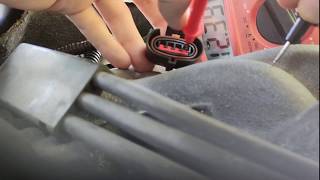

Technical Specifications
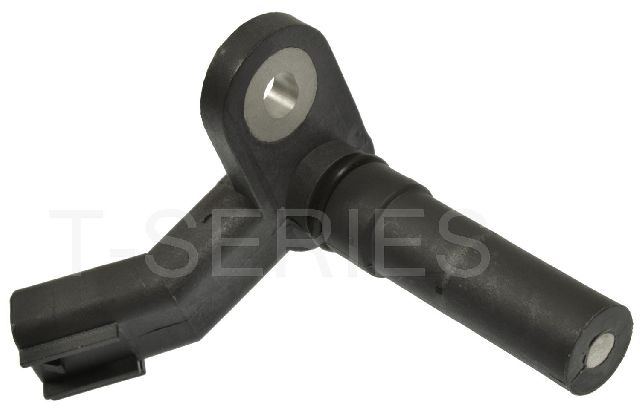
OEM Part Numbers: F8CZ-6C315-AA
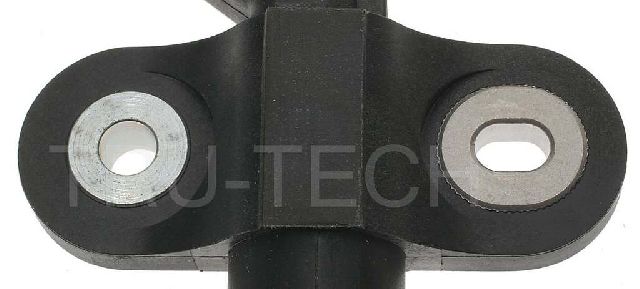
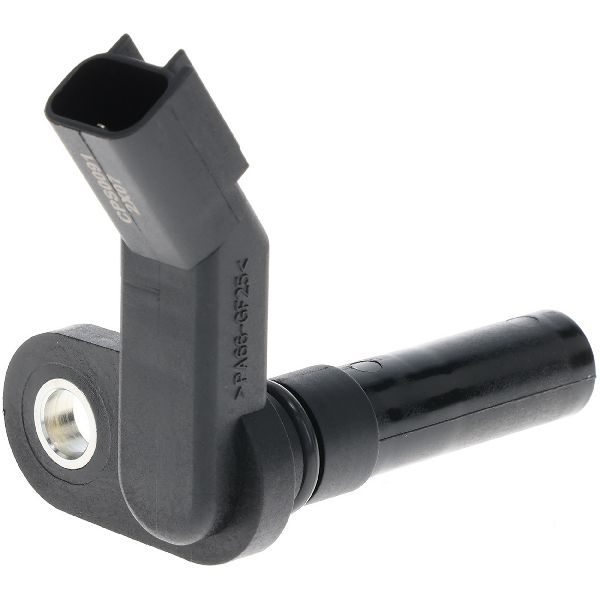
The crankshaft position sensor for the Mercury Cougar is a magnetic hall-effect or inductive sensor that generates a signal based on the passing of a toothed reluctor wheel on the crankshaft. The connector and mounting style differ significantly between the 1991-1997 and 1999-2002 generations.
We Have This Part in Stock


The information in this article is provided for general reference and educational purposes only. Vehicle specifications, procedures, and part compatibility can vary by production date, trim level, and region. Always consult your vehicle's factory service manual and verify part numbers before purchasing or performing repairs. Safety-critical components such as airbags, seat belts, and braking systems should be installed by a qualified professional.
- Mercury Cougar: