

A Guide to Replacing Fuel Injectors on the 1991-2002 Mercury Cougar
Solve rough idling and poor performance by understanding how to choose the right fuel injectors for your Cougar.
- Identify your Cougar's engine (V6/V8/I4) and year, as injectors are not interchangeable between generations.
- Replace all fuel injectors as a set to ensure balanced engine performance and prevent future issues.
- Always install new O-rings lubricated with clean engine oil to prevent dangerous fuel leaks.
- For reliability, choose a reputable aftermarket brand like Bosch or Delphi, which are often OEM suppliers.
Understanding Fuel Injector Failure in Your Cougar
Fuel injectors can fail in a few ways. They can become clogged with fuel deposits, especially from ethanol-blended gasoline, which restricts fuel flow and leads to a lean running condition (too much air, not enough fuel). They can also get stuck open, flooding a cylinder with gas, or fail electronically. If you smell gasoline, it could be an external leak from a cracked injector body or a bad seal, which is a serious fire hazard.
Generation-Specific Differences
It is critical to know which Mercury Cougar you own, as the parts are not interchangeable.
- 1991-1997 (8th Gen): These rear-wheel-drive models came with a 3.8L V6 or a 4.6L/5.0L V8 engine. The fuel injectors are located on a more accessible fuel rail on top of the engine.
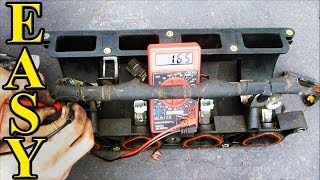
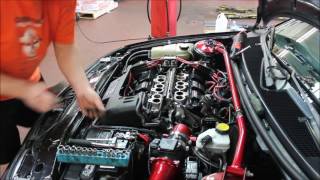
- 1999-2002 (9th Gen): These front-wheel-drive models used a 2.0L 4-cylinder or a 2.5L V6 engine. On the popular 2.5L V6, replacing the rear bank of injectors requires removing the upper intake manifold, making the job more complex. 🎬 See how to remove the intake manifold on V6 models.
Symptoms of a Bad Fuel Injector
A failing fuel injector will give you clear signs. Ignoring them can lead to more expensive problems, like a damaged catalytic converter.
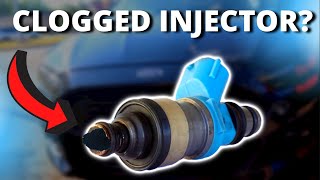
🎬 Watch: A detailed breakdown of clogged fuel injector symptoms.- Rough Idle and Stalling: The engine may shake or stumble at a stop.
- Hesitation and Power Loss: Your Cougar may feel sluggish or hesitate when you press the gas pedal.
- Check Engine Light: Misfire codes (P0300-P0308) or fuel trim codes (P0171, P0172) are common.
- Worse Fuel Economy: A leaking injector wastes gas, so you'll fill up more often.
- Gasoline Smell: A raw fuel smell could mean a dangerous leak and should be inspected immediately.
Choosing the Right Aftermarket Fuel Injector
When shopping for new aftermarket injectors, quality and reliability are key. While OEM parts are an option, reputable aftermarket brands offer excellent performance, often at a better price. It is highly recommended to replace all injectors at the same time to ensure each cylinder gets the same amount of fuel for balanced engine performance.
Brand Quality Tiers
| Tier | Brands | Our Take |
|---|---|---|
| Premium OE or Better | Bosch, Delphi | Bosch is a leader in fuel injection technology and often the original equipment manufacturer. Both Bosch and Delphi are known for their quality, durability, and precise fuel delivery, making them a top choice for a reliable, long-lasting repair. |
| Quality Aftermarket | Standard Ignition | Standard Motor Products is a large manufacturer that produces reliable injectors. They are a solid mid-range choice that offers a good balance of price and performance for a daily driver. |
| Economy | Replacement, GBR Fuel Injection | These brands offer a budget-friendly solution to get your Cougar back on the road. While they meet basic fit and function requirements, they may not have the same long-term durability or precise flow matching as premium brands. |
Pro Tip: Clean the Fuel System
A Technical Service Bulletin (TSB) for Ford vehicles warns that debris in the fuel system can quickly clog new injectors. If you suspect you had contaminated fuel, it's wise to have the fuel rail and lines flushed before installing new parts.
Frequently Asked Questions (FAQ)
Should I replace all my fuel injectors at once?
Yes. Fuel injectors wear out at a similar rate. Replacing them as a set ensures that all cylinders receive an equal amount of fuel, which is critical for a smooth-running engine and prevents future failures.
Do I need special tools for the job?
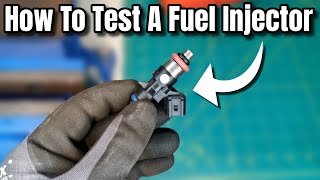
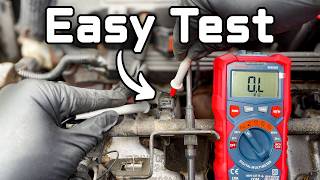
You will need a basic socket set, pliers, and screwdrivers. A fuel line disconnect tool may be necessary for some models. It's also crucial to have a fire extinguisher nearby and to relieve the fuel system pressure 🎬 Watch: 5 simple DIY methods to test your fuel injectors. before you begin.
What are the O-rings and why are they important?
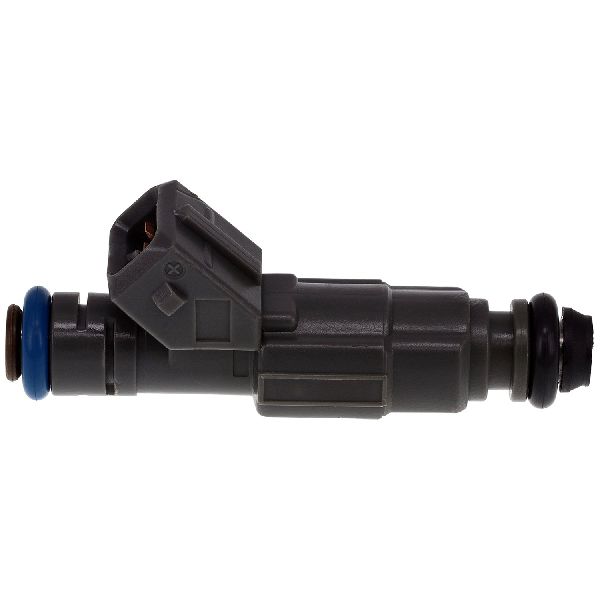
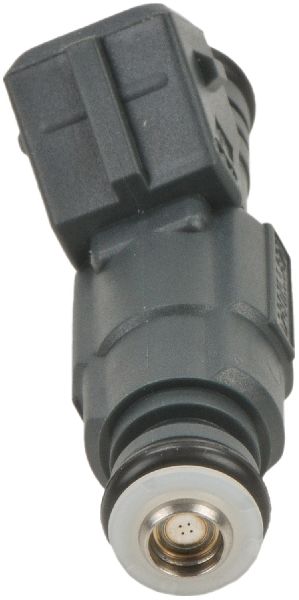
Fuel injectors have rubber O-rings that create a seal between the injector and the fuel rail, and the injector and the engine. These seals prevent fuel and air leaks. Always use the new O-rings that come with your new injectors and lubricate them with a bit of clean engine oil for proper installation.
Are there any recalls for my Cougar's fuel injectors?
Searches of the NHTSA database did not show any fuel injector-specific recalls for the 1991-2002 Mercury Cougar. There was a known fuel *pump* issue on some 2000 models, but this is a separate part.
Helpful Videos
Technical Specifications
OEM Part Numbers: F6VZ9F593AA
Varies by engine. All models use high-impedance injectors. The 1994-1997 Cougar with the V8 engine uses a 2-pin blade-style connector. Flow rates and body style differ significantly between the 3.8L V6, 4.6L V8, 2.0L I4, and 2.5L V6 engines.
We Have This Part in Stock


The information in this article is provided for general reference and educational purposes only. Vehicle specifications, procedures, and part compatibility can vary by production date, trim level, and region. Always consult your vehicle's factory service manual and verify part numbers before purchasing or performing repairs. Safety-critical components such as airbags, seat belts, and braking systems should be installed by a qualified professional.
- Mercury Cougar: