

A Guide to Replacing Spark Plugs on Your 1991-2002 Nissan Sentra
Everything you need to know about choosing the right new aftermarket spark plugs for your Sentra's engine.
- Stick with NGK or Denso brand spark plugs for proven reliability in your Sentra.
- Replacing spark plugs is an easy DIY job that can be done in under an hour with basic tools.
- When changing plugs, check the spark plug wells for oil, which indicates a leaking valve cover gasket that should also be replaced.
- Ensure you choose the correct material (Platinum, Iridium) for your engine and always verify the gap before installation.
Signs of Failing Spark Plugs in Your Sentra

Worn-out spark plugs can cause a number of noticeable issues. Your car might feel 'off' or sluggish. Common symptoms include a rough idle, where the engine shakes or vibrates more than usual. You may also notice your Sentra is slow to accelerate, has worse gas mileage, or has trouble starting. A check engine light, especially a flashing one, can also be a sign of a misfiring engine caused by bad plugs.
A Common Issue to Check
When you pull the ignition coils to access the spark plugs, check for oil in the spark plug wells. Oil present here is a very common problem caused by a failing valve cover gasket or spark plug tube seals. If you see oil, you should replace these seals to prevent the new spark plugs from being damaged.
🎬 Watch this guide on replacing tube seals and valve cover gaskets.Choosing the Right Aftermarket Spark Plugs

For 1991-2002 Nissan Sentras, the choice of spark plug brand and type is important. While many brands are available, owner experiences and mechanic recommendations point to a clear preference.
Brand Recommendations
- Top Tier (OEM Equivalent): NGK & Denso
There is a strong consensus that NGK is the best choice for Nissan engines, as they are often the original equipment manufacturer (OEM). Denso is another highly recommended Japanese brand that provides excellent quality and performance. Sticking with NGK or Denso is the safest bet for reliability and proper engine function. Some owners report problems when using other brands that are resolved by switching back to NGK. - Mid-Tier: Bosch & Champion
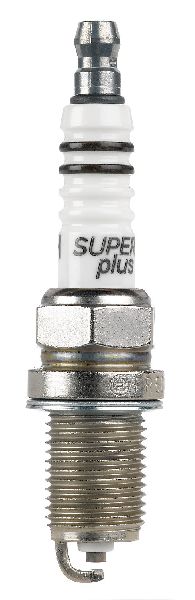
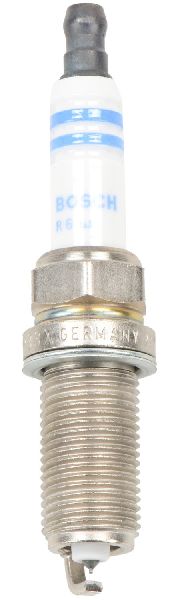
Brands like Bosch and Champion offer compatible spark plugs that are often more budget-friendly. While they are established brands, the overwhelming preference for this specific vehicle is NGK or Denso. - Budget & Performance Brands: Skyward, Accel, MSD
These brands fill out the lower-cost and specialty performance ends of the market. For a daily-driven Sentra, the proven reliability of the top-tier brands is generally recommended over budget options.
Spark Plug Types: Copper, Platinum, and Iridium
Your Sentra was originally equipped with either standard copper/nickel or platinum spark plugs.
- Copper/Nickel: These are the most basic and affordable plugs. They conduct electricity well but have the shortest lifespan, typically needing replacement every 30,000 miles.
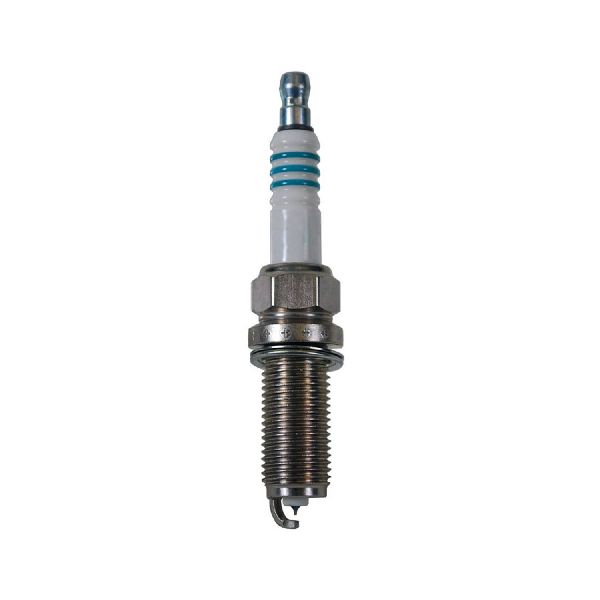
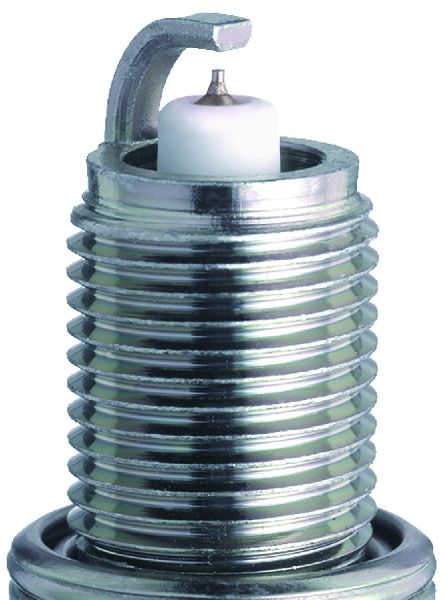
- Platinum: Platinum plugs last longer than copper, often up to 60,000 miles. They handle heat better and resist deposit buildup. Some later Sentra engines require Double Platinum plugs, which have platinum on both electrodes. Using the wrong type can cause running issues.
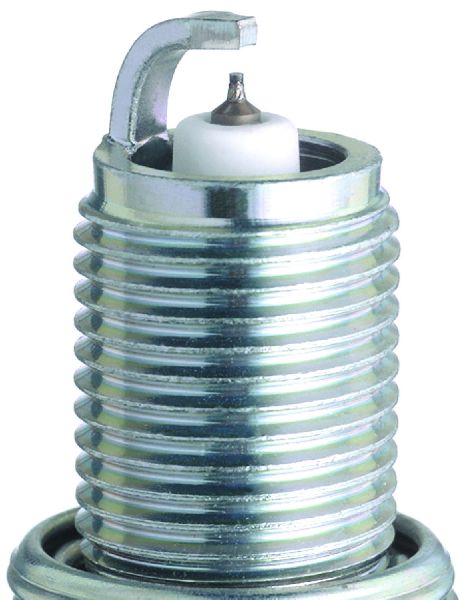
- Iridium: Iridium is a harder, more durable material than platinum, offering the best performance and longest life—often 100,000 miles or more. They are the most expensive option but provide a strong, consistent spark for a very long time.
Which Type Should You Buy?
For most owners, a set of NGK or Denso Platinum plugs offers the best balance of cost, performance, and longevity for the 1991-2002 Sentra. If your budget allows, upgrading to Iridium plugs is a good long-term investment. Always check what your specific engine requires (e.g., GA16DE, SR20DE, QG18DE), as some ignition systems are designed for a specific plug type.
| Plug Type | Typical Price Range |
|---|---|
| Standard Copper/Nickel (e.g., NGK V-Power) | $3.00 - $6.00 |
| Platinum (e.g., NGK G-Power) | $5.00 - $12.00 |
| Iridium (e.g., NGK Iridium IX, Denso Iridium) | $9.00 - $22.00 |
Frequently Asked Questions

How often should I change the spark plugs on my Sentra?
It depends on the type of plug. Standard copper plugs should be changed around 30,000 miles. Platinum plugs can last up to 60,000 miles, and Iridium plugs can last 100,000 miles or more. However, if you notice any failure symptoms, you should inspect them regardless of mileage.
Do I need to gap the new spark plugs?
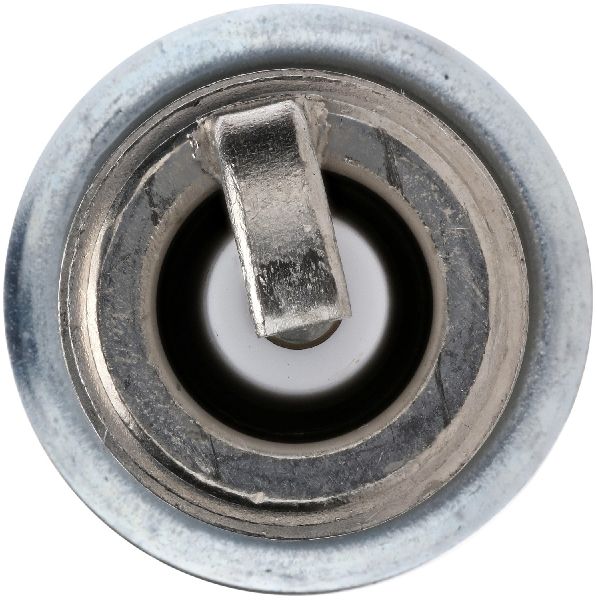
Yes, it is always a good idea to check the gap before installation. Most plugs from brands like NGK and Denso come pre-gapped, but they can be knocked out of spec during shipping. Use a feeler gauge to verify the gap matches your engine's specification 🎬 See a step-by-step walkthrough for installing new coils and plugs. (often 0.044 inches for these Sentras).
Is it hard to replace the spark plugs myself?
No, for the 1991-2002 Sentra, this is a very beginner-friendly job. The spark plugs are easily accessible on top of the engine. With basic tools like a ratchet, a 10mm socket, and a spark plug socket, most people can complete the job in under an hour.
🎬 Watch a quick demonstration of the 1.8L spark plug replacement.What happens if I use the wrong type of spark plug?
Using the wrong spark plug can cause a range of problems, from poor fuel economy and misfires to a car that won't start. An incorrect plug might not have the right heat range or design for your engine's ignition system. Always stick with the type recommended for your specific engine.
Helpful Videos
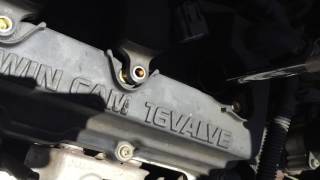
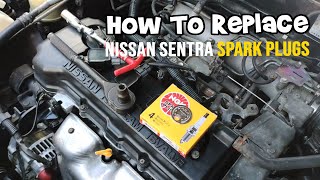
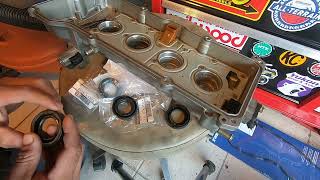
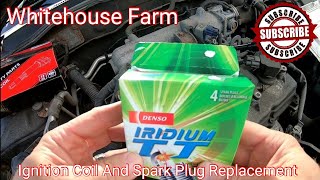
Technical Specifications
OEM Part Numbers: 22401-5M015 22401-5M014 22401-97E66 22401-27N16 22401-1P1S6VW
Socket Size: 16mm (5/8 inch). Thread Size: M14x1.25. Common Gap: 0.044 inches. Recommended Torque: 18-22 ft-lbs (25-30 Nm).
We Have This Part in Stock

The information in this article is provided for general reference and educational purposes only. Vehicle specifications, procedures, and part compatibility can vary by production date, trim level, and region. Always consult your vehicle's factory service manual and verify part numbers before purchasing or performing repairs. Safety-critical components such as airbags, seat belts, and braking systems should be installed by a qualified professional.
- Nissan Sentra: