

Saturn SL Engine Coolant Temperature Sensor (1991-2002): A Complete Guide
This small, inexpensive sensor is a common failure point on the Saturn S-Series, causing a wide range of engine problems.
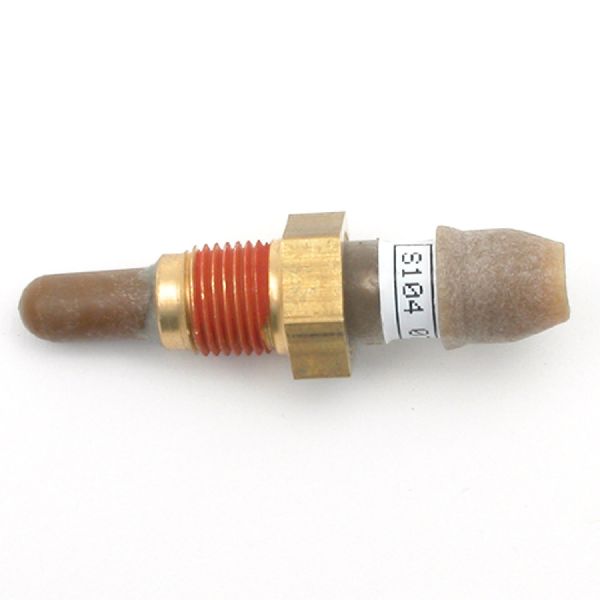
- The original black plastic-tipped sensor is defective and known to crack; always replace it with a brass-tipped version.
- A bad sensor is a very common cause of poor fuel economy, black smoke, and rough running on the 1.9L Saturn engine.
- For reliability, choose a sensor from an OEM-level brand like ACDelco or Delphi.
- If the old sensor leaked, you must inspect and likely replace the electrical connector pigtail to ensure a lasting repair.
A Notorious Failure: The Cracked Plastic Sensor
If you own a 1991-2002 Saturn SL, the Engine Coolant Temperature Sensor (ECTS) is a part you should know about. Original sensors installed from the factory, and many early aftermarket replacements, used a black resin or plastic tip. This design is famous for developing cracks over time. When the sensor cracks, coolant can leak through the sensor body and into the electrical connector, causing corrosion and faulty readings. This sends incorrect information to your car's computer, leading to a host of problems. All replacement sensors should have a brass tip to prevent this common issue.
Symptoms of a Failing ECTS
A bad coolant sensor can make your car run poorly in many ways. Because the computer thinks the engine is colder or hotter than it really is, it can cause:
- Check Engine Light: Often the first sign, with codes like P0117 (circuit low) or P0118 (circuit high).
- Poor Fuel Economy: The computer may enrich the fuel mixture, thinking the engine is cold, which wastes gas.
- Black Smoke from Exhaust: A very rich fuel mixture can result in unburnt fuel burning in the exhaust, creating black smoke.
- Rough Idle and Stalling: Incorrect fuel and timing adjustments can make the engine run erratically.
- Hard Starting: The computer may not provide the right fuel mixture for starting, especially when the engine is cold.
- Cooling Fan Issues: The fan may not turn on when needed, risking overheating, or it may run constantly.
The Brass Tip is Essential
When buying a replacement sensor, do not use another black plastic-tipped part, even if it's cheaper. The original design is flawed and will fail again. Insist on a sensor with a solid brass tip for long-term reliability.
Choosing the Right Aftermarket Sensor
For a critical sensor like this, brand quality matters. While you don't need to buy a part from the dealer, avoiding the absolute cheapest options is wise. The brands available for your Saturn SL can be grouped into tiers.
- Tier 1 (OEM Quality): ACDelco and Delphi are original equipment suppliers to General Motors (Saturn's parent company) and are widely considered the best choice for reliability and proper calibration. NGK is also a top-tier manufacturer of engine management sensors.
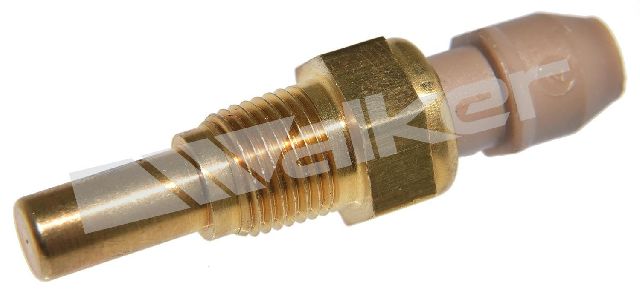
- Tier 2 (Quality Aftermarket): Brands like Standard Ignition (SMP), Walker Products, and Four Seasons offer a good balance of quality and price. They are reputable companies that produce reliable parts.
- Tier 3 (Value Brands): Global Parts and True Tech are often private-label or value-focused brands. While they may function, their long-term durability and sensor accuracy may not match the higher-tiered options. Given the low cost of even top-tier sensors, it's recommended to stick with Tier 1 or 2.
Don't Forget the Connector
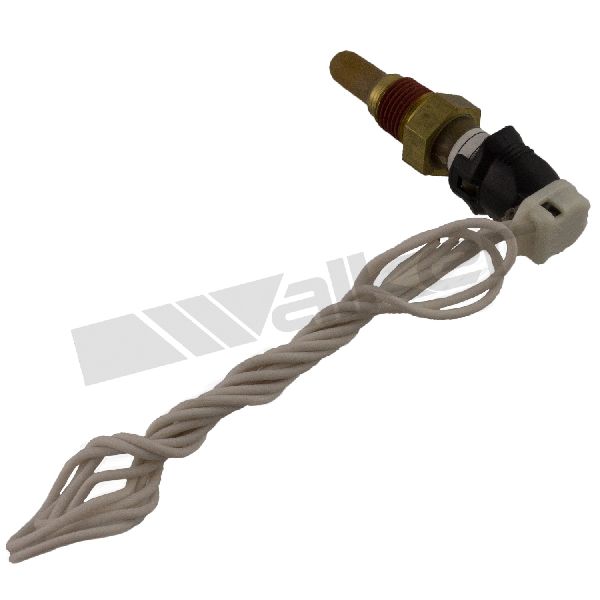
If your old sensor has cracked and leaked coolant, the electrical connector is likely corroded. Green crust on the pins is a sure sign. It's highly recommended to replace the connector pigtail at the same time as the sensor to ensure a good connection. A bad connection can cause the same problems as a bad sensor.
Frequently Asked Questions
Where is the ECTS located on my Saturn SL?
The sensor is located on the driver's side of the cylinder head, below the EGR valve, near where the upper radiator hose connects to the engine. You will need to remove the air intake tube for access. On 1991-1995 models, it is the lower of the two sensors in that area with a two-wire connector.
Is this a difficult part to replace myself?
No, this is a very easy DIY job. It requires basic tools like a 13mm deep socket and can be done in under an hour. You don't need to drain all the coolant, but be prepared for a small amount to spill out when you remove the old sensor. Have the new sensor ready to install quickly to minimize coolant loss.
What is the difference between the black tip and brass tip sensor?
The original black plastic (resin) tip sensors are known to crack from heat and pressure. The updated design uses a solid brass tip which is much more durable and does not have this cracking issue. Always use a brass-tipped replacement.
My car has two sensors. Which one do I replace?
This only applies to 1991-1995 models. You need to replace the Engine Coolant Temperature Sensor (ECTS), which has two wires and sends information to the engine computer. The other sensor has only one wire and is the sender for the temperature gauge on the dashboard. The ECTS is the one that causes running problems.
Technical Specifications
OEM Part Numbers: 21025106 19189503 21020104
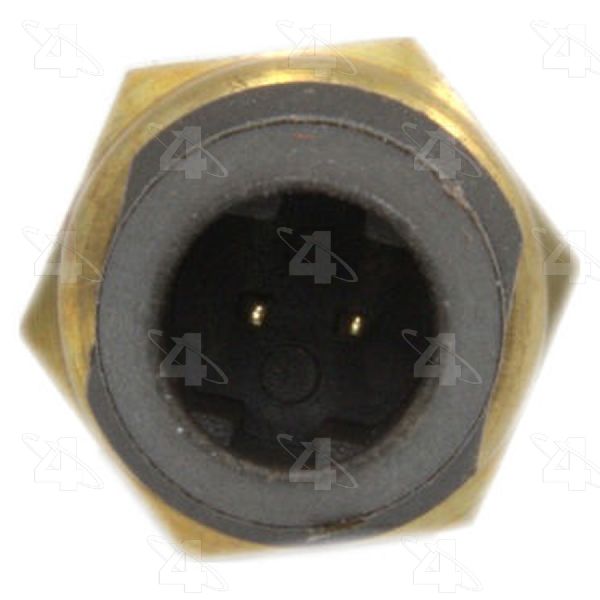
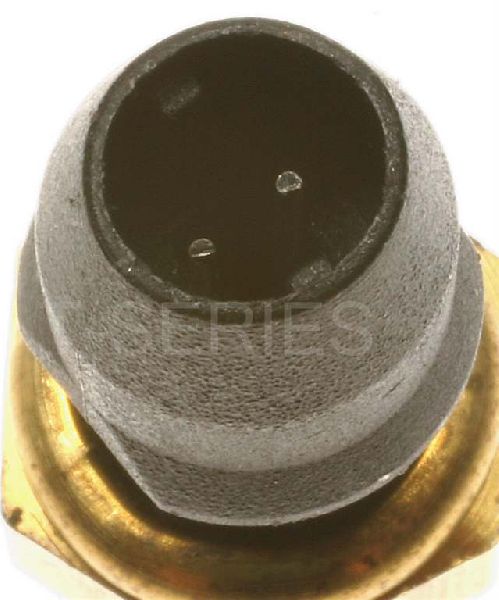
Look for a replacement sensor with a brass tip, not the original-style black resin tip. The sensor uses a 13mm deep well socket for removal and installation. On 1991-1995 models, the correct part is the two-wire sensor.
We Have This Part in Stock


The information in this article is provided for general reference and educational purposes only. Vehicle specifications, procedures, and part compatibility can vary by production date, trim level, and region. Always consult your vehicle's factory service manual and verify part numbers before purchasing or performing repairs. Safety-critical components such as airbags, seat belts, and braking systems should be installed by a qualified professional.
- Saturn SL: