

Choosing the Right Front Disc Brake Pads for Your 1991-2002 Saturn SL1
Get your Saturn's braking performance back to where it should be by selecting the correct pads for your needs.
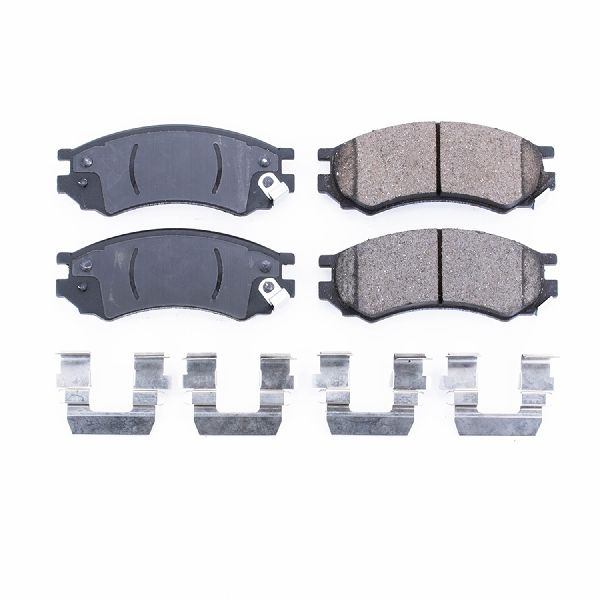
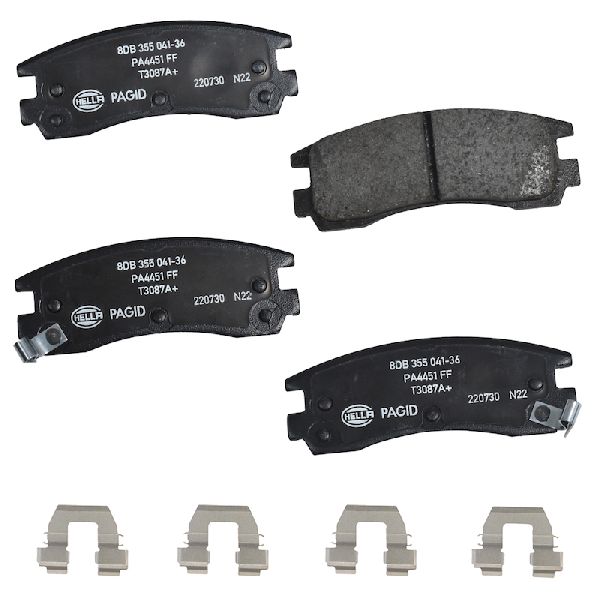
- For most SL1 owners, a premium ceramic pad from brands like Bosch, Wagner, or Akebono offers the best balance of quiet operation, low dust, and reliable stopping power.
- Due to the vehicle's age, always inspect, clean, and lubricate caliper slide pins and replace brake hardware when changing pads to prevent uneven wear.
- Replacing rotors at the same time as pads is highly recommended for best performance and to avoid vibration issues.
- The front brake pad replacement is a common and feasible DIY job for this car, requiring basic hand tools.
Signs Your Saturn SL1 Needs New Front Brake Pads
Your Saturn will usually give you clear warnings when its brake pads are getting low. Ignoring these signs can lead to more expensive repairs down the road. Look out for these common symptoms:
- Squealing or Screeching: Most brake pads have a small metal tab called a wear indicator. When the pad material gets too thin, this tab scrapes against the rotor, making a high-pitched squeal when you brake. This is the earliest warning to get your pads checked.
- Grinding Noises: If you hear a loud, metallic grinding or growling sound, it means the pad material is completely gone. You are now hearing metal-on-metal contact between the caliper and the rotor, which can quickly damage the rotor and reduce stopping power. This is a serious issue that needs immediate attention.
- Spongy or Soft Brake Pedal: If your brake pedal feels softer than usual or goes closer to the floor, it could signal a problem in the brake system, possibly related to worn pads or air in the brake lines.
- Longer Stopping Distances: If you notice it's taking longer to stop your car, your brake pads may be too worn to create the necessary friction.
A Note on Common Issues
For the 1991-2002 Saturn S-Series, issues like seized caliper slide pins or deteriorating rubber brake hoses are common due to age. These problems can cause uneven pad wear or a spongy pedal. When replacing your pads, it is critical to also clean and lubricate the caliper slide pins and inspect the hardware and hoses to ensure the new pads wear evenly and work correctly.
Choosing the Right Aftermarket Brake Pads
Since original equipment manufacturer (OEM) pads for a vehicle of this age are impractical to find, the aftermarket is your only real choice. The good news is that many aftermarket brands offer pads that meet or exceed the original specifications. Your choice depends on your budget and driving style.
Brand & Quality Tiers
We can group the available brands into three general categories:
- Daily Driver / Economy: These pads are designed to be affordable and provide reliable, quiet performance for typical commuting. They offer similar performance to the original pads. Brands like Pronto, Dynamic Friction, and Total Stopping Solutions fall into this tier.
- Premium / OE-Quality: These brands are known for excellent quality and often supply parts to car manufacturers. They provide great performance with an emphasis on low noise and low dust. This is a great choice for most SL1 owners. Look for brands like ACDelco, Bosch, Wagner, Raybestos, and Centric. Many users find these brands durable and quiet.
- Performance / Heavy-Duty: If you want increased stopping power and a firmer pedal feel, these pads are for you. They might produce more dust or noise than ceramic pads but offer the best performance. Brands in this category include Powerstop, EBC Brakes, and Brembo. Akebono is also a top-tier brand known for being quiet and powerful.
Ceramic vs. Semi-Metallic
For a daily-driven Saturn SL1, ceramic pads are an excellent choice. They are quiet, produce very little brake dust to keep your wheels clean, and are easy on the rotors. Semi-metallic pads offer a stronger bite and better performance in a wider range of temperatures, but they tend to be dustier and can be noisier. Unless you are doing performance driving, ceramic pads provide the best all-around experience for this car.
DIY vs. Professional Installation Cost
Replacing the front brake pads on a 1991-2002 Saturn SL1 is a straightforward job for a DIY mechanic. However, if you're not comfortable doing the work yourself, a professional shop can do it for you.
| Service | Estimated Cost |
|---|---|
| DIY - Aftermarket Pads Only | $21 - $184 |
| Shop - Labor Cost | $100 - $200 |
| Shop - Total (Parts & Labor) | $121 - $384+ |
Frequently Asked Questions
Do I need to replace my rotors when I replace the pads?
Not always, but it's highly recommended. If your rotors are smooth, have no deep grooves, and are above the minimum thickness specification, you can sometimes install new pads on them. However, for the best performance and to avoid noise or vibration, installing new rotors with new pads is the best practice, especially since rotors for the SL1 are inexpensive.
Why are my new brakes making noise?
New pads need to go through a "bed-in" process to properly mate with the rotor surface. Follow the manufacturer's instructions for this. Noise can also be caused by not replacing hardware, not cleaning and lubricating caliper pins, or not cleaning the new rotor before installation.
Were there any recalls for the Saturn SL1 brakes?
Yes, there was a recall (NHTSA ID 99V230000) for some 2000 model year Saturns, including the SL1, for brake pipe nuts that may not have been tightened properly, potentially causing a fluid leak. This would have been addressed many years ago. There are no open recalls related to the brake pads themselves for this entire generation.
What tools do I need to change the brake pads myself?
You will need a jack and jack stands, a lug wrench, a C-clamp or piston compressor tool, a ratchet with 14mm and 19mm sockets, and high-temperature brake grease. It's also a good idea to have brake cleaner and a wire brush on hand to clean parts.
Technical Specifications
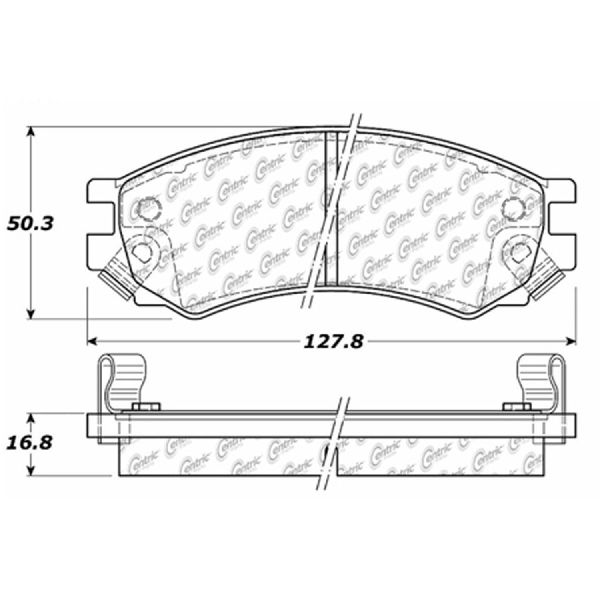
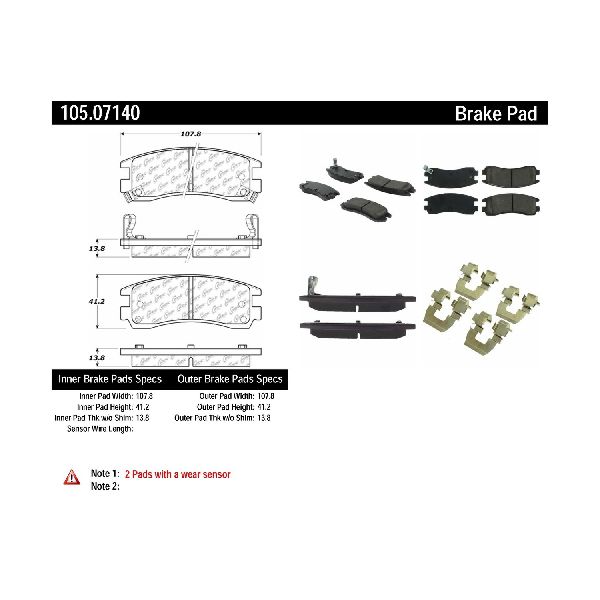
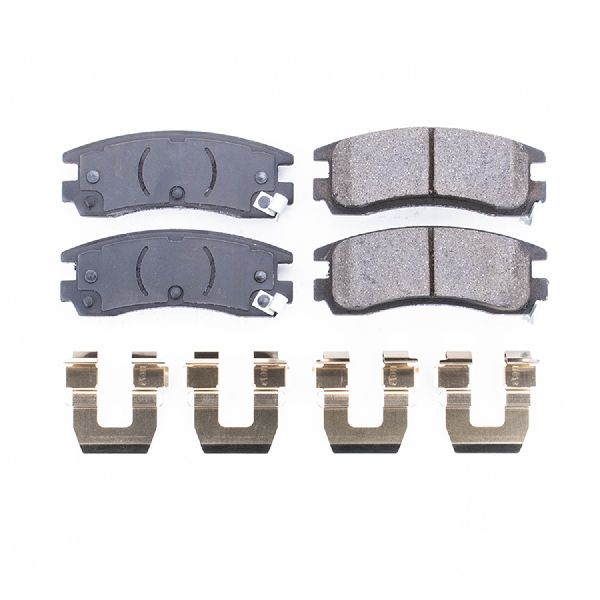
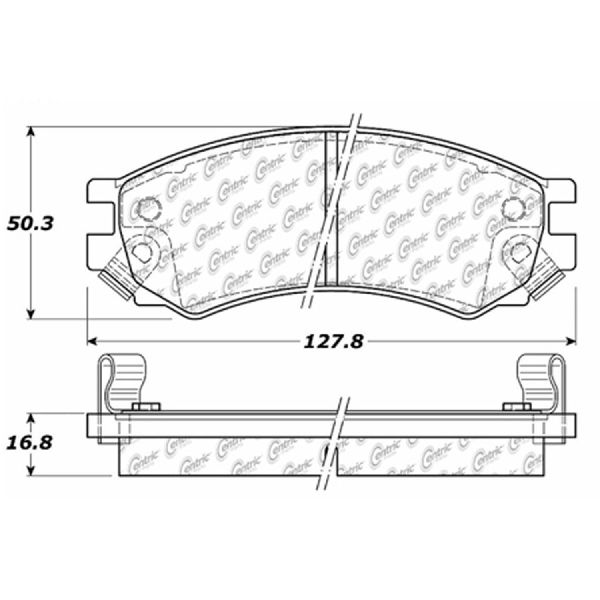
The 1991-2002 Saturn SL1 uses disc brakes on the front wheels and drum brakes on the rear wheels. This guide and the associated parts are for the front axle only. Ensure any purchased set is specified for the front of your vehicle.
We Have This Part in Stock

The information in this article is provided for general reference and educational purposes only. Vehicle specifications, procedures, and part compatibility can vary by production date, trim level, and region. Always consult your vehicle's factory service manual and verify part numbers before purchasing or performing repairs. Safety-critical components such as airbags, seat belts, and braking systems should be installed by a qualified professional.
- Saturn SL1: