

Saturn SL1 Engine Coolant Temperature Sensor (1991-2002): A Complete Guide
Understanding the common failures and choosing the right replacement for your S-Series.
- The sensor connector is a common failure point; inspect it for green corrosion and replace if necessary.
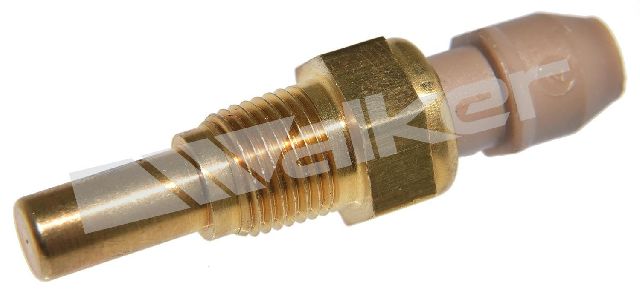
- For models before mid-2001, proactively replace the original resin-tipped sensor with a modern brass-tipped one to prevent future leaks.
- On 1991-1995 models, be sure to replace the two-wire sensor for engine management issues, not the one-wire gauge sender.
- For best results and reliability, choose an OEM-quality brand like ACDelco or Delphi.
Is Your Saturn SL1's Coolant Sensor Failing?
A bad Engine Coolant Temperature Sensor (ECTS) can cause a surprising number of issues on the 1991-2002 Saturn SL1. Because the sensor's reading affects so many engine functions, a false signal can make the car's computer think the engine is hot when it's cold, or cold when it's hot. This leads to poor performance and can put your engine at risk.
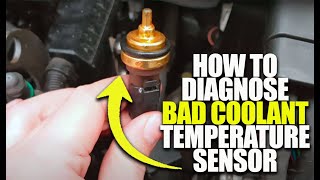
🎬 Learn how to diagnose a failing coolant temperature sensor.A Very Common Saturn Problem: The Connector
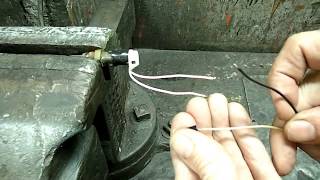
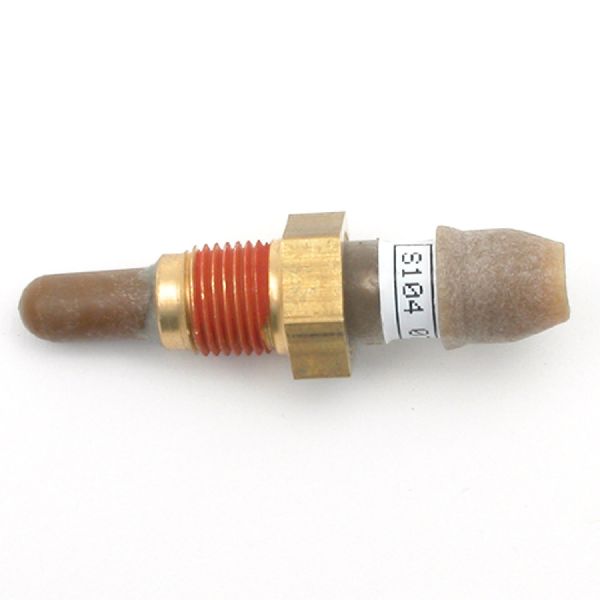
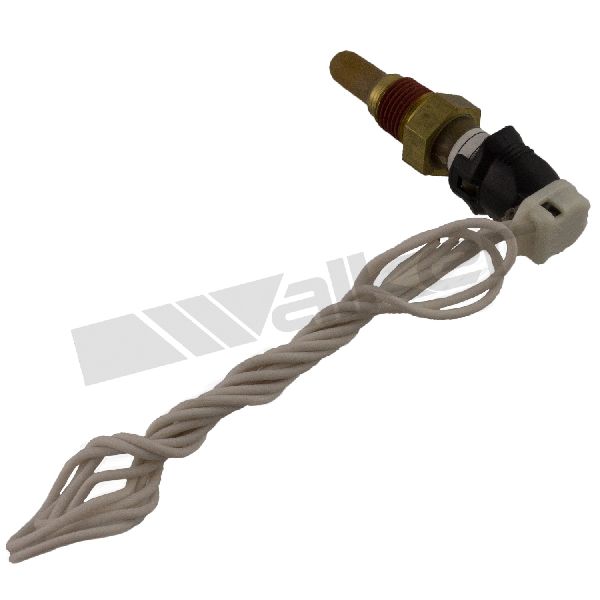
One of the most frequent issues with the ECTS on this generation of Saturns isn't just the sensor, but the electrical connector attached to it. The original factory sensors often had a resin tip that could crack over time. This crack allows hot coolant to leak into the sensor body and then into the connector, causing green corrosion and a bad electrical connection. If you replace the sensor, always inspect the connector for corrosion. If it's green and corroded, you must replace the connector pigtail as well 🎬 Watch this guide on replacing a corroded ECTS connector pigtail., or the new sensor won't work correctly.
Choosing the Right Aftermarket Sensor for Your SL1
For a critical part like the ECTS, the quality of the replacement matters. Sticking with proven brands is a smart move for your Saturn.
Tier 1: OEM-Quality Brands
These brands are known for manufacturing parts that meet or exceed original factory specifications. For a Saturn, which was a General Motors (GM) brand, this is your best bet for reliability.
- ACDelco: As the original equipment (OE) supplier for GM, an ACDelco sensor is the closest you can get to the original part. They are highly recommended for a direct fit and proper function. Many owners specifically recommend the all-brass version over the older plastic-tipped designs.
- Delphi: Delphi is another top-tier OE supplier for GM and other major automakers. Their sensors are considered an excellent, reliable alternative to ACDelco, often manufactured to the same high standards.
Tier 2: Reputable Aftermarket Brands
These brands have a solid reputation in the aftermarket and offer a good balance of quality and value.
- NGK/NTK: Well-known for ignition components, NTK (the sensor division of NGK) also produces high-quality sensors. They often design their parts to match OE specifications, including wire length and pre-applied thread sealant.
- Standard Motor Products (SMP): A long-standing aftermarket brand that offers a wide range of reliable electronic components.
- Walker Products: Another established name in fuel and engine management parts.
Tier 3: Budget-Friendly Options
These brands can be a solution if budget is the primary concern, but their long-term reliability may not match the higher-tiered brands.
- Four Seasons
- Global Parts / gpd
- True Tech
Pro Tip: For all models from 1991-2001, it is highly recommended to proactively replace the original resin-tipped sensor with a newer, brass-tipped version. This prevents the common cracking and leaking issue that plagues the original design.
Cost of Replacing Your Saturn SL1 Coolant Sensor
The cost is relatively low, especially if you do the work yourself. The part itself is inexpensive, and the job is straightforward for a DIY mechanic.
| Item | Estimated Cost |
|---|---|
| New Aftermarket ECTS Part | $9 - $39 |
| Shop Labor | $50 - $100 |
| Total (Professional Repair) | $59 - $139 |
| Total (DIY Repair) | $9 - $39 |
Frequently Asked Questions (FAQ)
Where is the coolant temperature sensor located on a 1991-2002 Saturn SL1?
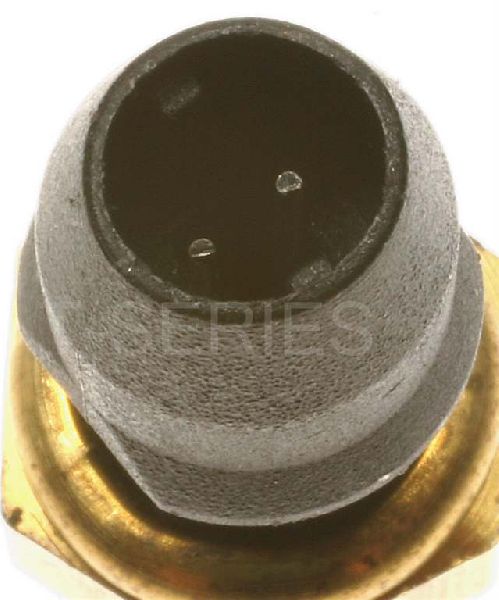
The ECTS is screwed into the cylinder head, near the thermostat housing and where the upper radiator hose connects to the engine. On early models (1991-1995), there are two sensors in this area. The ECTS for the computer has two wires, while the sensor for the dashboard temperature gauge has only one wire. You need to replace the two-wire sensor to fix engine performance issues.
Can I replace the ECTS myself?
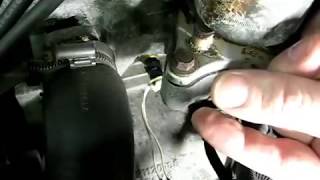
Yes, this is a very DIY-friendly job. It requires basic tools like a 13mm deep socket. 🎬 See how to remove and replace the sensor yourself. You don't need to drain all the coolant; if you work quickly, you will only lose a small amount. Make sure the engine is completely cool before starting. It's also a good idea to relieve pressure in the cooling system by opening and then re-tightening the coolant reservoir cap before you begin.
My check engine light is still on after replacing the sensor. What's wrong?
The most common reason is a corroded electrical connector. If the old sensor leaked, it likely damaged the connector pins. You will need to replace the connector pigtail. In other cases, the issue could be the wiring itself or, less commonly, a problem with the car's computer (PCM).
What is the difference between the one-wire and two-wire sensors on older models?
On 1991-1995 models, the two-wire sensor is the Engine Coolant Temperature Sensor (ECTS) that sends information to the engine computer (PCM). The one-wire sensor is the Engine Coolant Temperature Sender, which only operates the temperature gauge on your dashboard. If you are having engine running problems, you need to replace the two-wire sensor.
Helpful Videos
Technical Specifications
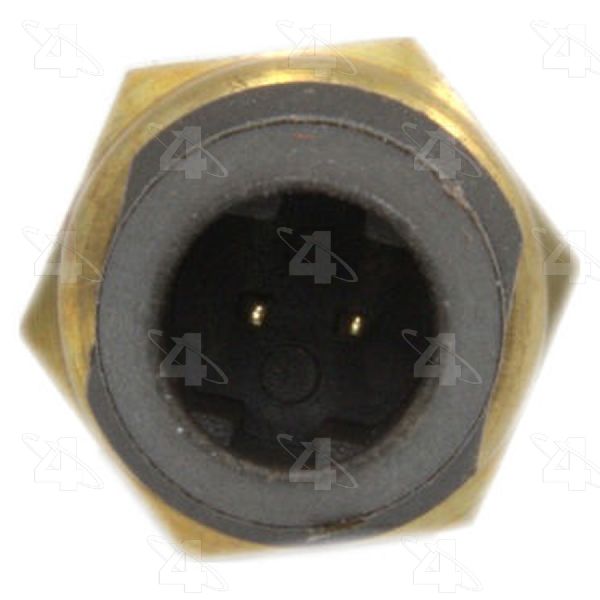
OEM Part Numbers: 15326386 25036979
Location: Cylinder head, near thermostat housing. Tool needed: 13mm deep socket. Note: 1991-1995 models have two sensors; the ECTS has two wires.
We Have This Part in Stock


The information in this article is provided for general reference and educational purposes only. Vehicle specifications, procedures, and part compatibility can vary by production date, trim level, and region. Always consult your vehicle's factory service manual and verify part numbers before purchasing or performing repairs. Safety-critical components such as airbags, seat belts, and braking systems should be installed by a qualified professional.
- Saturn SL1:
- 🎬 Helpful Videos
- 🛍️ Shop This Part
- Is Your Saturn SL1's Coolant Sensor Failing?
- A Very Common Saturn Problem: The Connector
- Choosing the Right Aftermarket Sensor for Your SL1
- Tier 1: OEM-Quality Brands
- Tier 2: Reputable Aftermarket Brands
- Tier 3: Budget-Friendly Options
- Cost of Replacing Your Saturn SL1 Coolant Sensor
- Frequently Asked Questions (FAQ)
- 🎟️ Get 5% Off