

Your Comprehensive Guide to the 1991-2002 Saturn SL1 Oxygen Sensor
Fix poor gas mileage and check engine light issues by understanding and choosing the right oxygen sensor for your Saturn SL1.
- Saturn SL1 models from 1996-2002 have two oxygen sensors (upstream and downstream), while earlier models have one.
- Denso is the Original Equipment (OE) manufacturer; choosing a Denso or NTK sensor is highly recommended for reliability.
- Common signs of failure are a check engine light (P0133, P0137), poor gas mileage, and a rough idle.
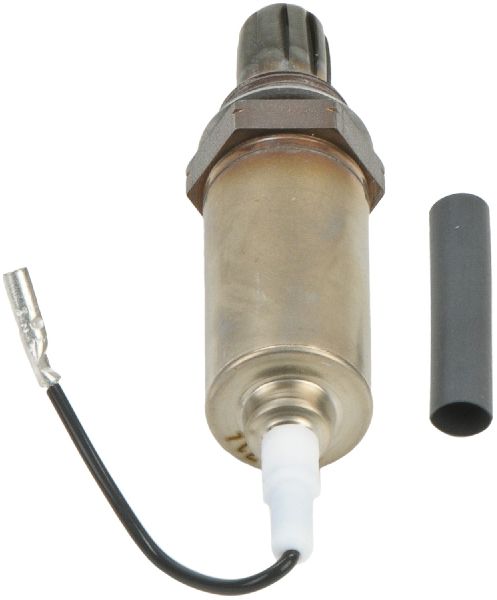
- The upstream sensor is often a non-heated, single-wire type, which is a specific detail for this car.
Signs of a Failing Oxygen Sensor
When an oxygen sensor starts to fail on your Saturn SL1, your car will give you several clues. The most obvious sign is the 'Service Engine Soon' light illuminating on your dashboard. You will also likely notice a significant drop in fuel economy. Other common symptoms include a rough or unstable idle, engine hesitation or bucking while driving, and failing an emissions test.
Known Issues for the Saturn SL1
While the oxygen sensors themselves are common failure items, Saturn S-Series cars have other known issues that can sometimes mimic a bad O2 sensor or even cause its code to appear. A common problem on the 1.9L SOHC engine is a leaking intake manifold gasket, which creates a vacuum leak and can lead to lean conditions and O2 sensor codes. Problems with the EGR valve are also known to cause performance issues that could be mistaken for a sensor problem. It's wise to rule out these other possibilities if a new sensor doesn't solve your issue.
🎬 Check out this guide on troubleshooting other common engine codes.Pro Tip: Check for Other Issues
Before replacing your oxygen sensor for a code like P0133, check for vacuum leaks, especially around the intake manifold gasket. Also, consider cleaning the EGR valve, as these are common S-Series issues that can trigger similar symptoms.
Choosing the Right Aftermarket Oxygen Sensor
Not all aftermarket sensors are created equal. For a critical part like an O2 sensor, quality matters. Sticking with a reputable brand can save you from future headaches. Denso is the original equipment manufacturer (OEM) for Saturn, making it the safest choice.
Brand Quality Tiers
- Premium / OE-Equivalent (Recommended): Brands like Denso and NGK (NTK) are highly recommended by mechanics and Saturn owners. Since Denso made the original part for your SL1, their aftermarket sensor will provide the best performance and reliability. NGK/NTK is another top-tier OEM supplier known for excellent quality.
- Quality Aftermarket: Bosch and Delphi are generally solid choices. Bosch is a huge name in auto parts, and while some have mixed experiences with their aftermarket sensors, they are generally reliable. Delphi is a major OEM supplier for GM and produces quality parts.
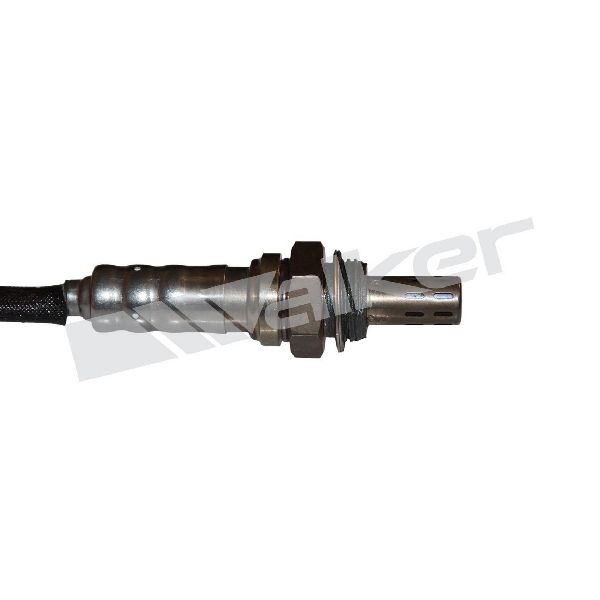
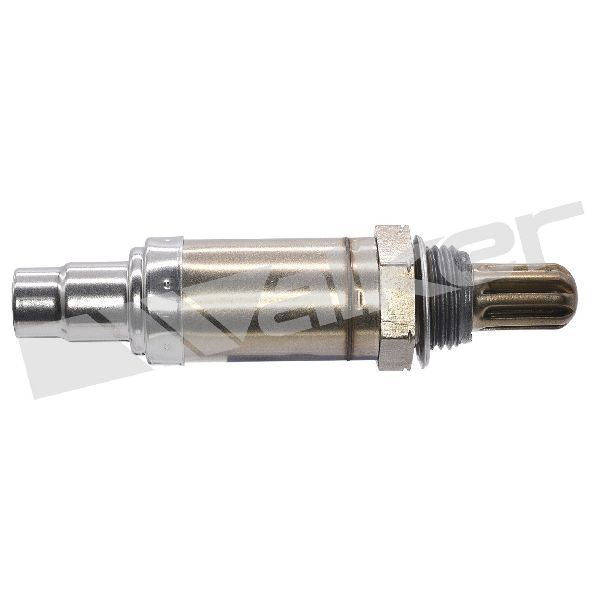
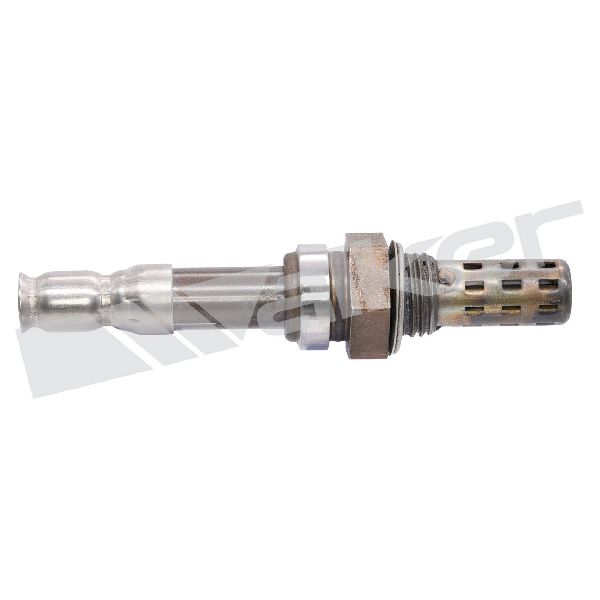
- Standard / Economy: Brands like Walker Products, Spectra, and DriveWire offer a budget-friendly option. These can be a good value, but may not have the same lifespan or precision as the premium brands. They can get the job done, but for a part this critical to engine performance, spending a little more on a premium brand is often worth it.
Important: Upstream vs. Downstream
If you have a 1996-2002 SL1, you have two sensors. The 'upstream' (or Bank 1, Sensor 1) is in the exhaust manifold and is vital for fuel control. The 'downstream' (or Bank 1, Sensor 2) is after the catalytic converter and monitors its performance. They are not interchangeable. The upstream sensor for many S-Series models is a specific, non-heated, single-wire sensor, so be sure to order the correct part for the correct location.
Typical Replacement Costs
The cost can vary depending on the brand you choose and whether you do the work yourself. The job is possible for a DIYer with the right tools.
| Part / Service | Estimated Cost |
|---|---|
| New Aftermarket Oxygen Sensor | $21 - $101 |
| Shop Labor | $100 - $150 |
| Total (DIY) | $21 - $101 |
| Total (at a shop) | $121 - $251 |
Frequently Asked Questions (FAQ)
How many oxygen sensors does my 1991-2002 Saturn SL1 have?
It depends on the year. Models from 1991-1995 are typically OBD-I and have only one upstream oxygen sensor. Models from 1996-2002 are OBD-II and have two sensors: one upstream (before the catalytic converter) and one downstream (after the catalytic converter).
What is the difference between an upstream and a downstream sensor?
The upstream sensor (Bank 1, Sensor 1) is located in the exhaust manifold before the catalytic converter. It reads the raw exhaust from the engine and is the primary sensor used by the computer to make rapid adjustments to the fuel mixture. The downstream sensor (Bank 1, Sensor 2) is located after the catalytic converter and its main job is to monitor the converter's efficiency by comparing its reading to the upstream sensor.
Can I just clean my old oxygen sensor?
While some people attempt to clean O2 sensors, it is generally not recommended or effective. The sensing element is delicate and can be damaged by cleaning. Contaminants often penetrate deep into the sensor's ceramic element, making surface cleaning useless. Given the reasonable cost of a new sensor, replacement is the only reliable solution.
Do I need a special tool to replace the oxygen sensor?
Yes, it is highly recommended to use an oxygen sensor socket. This is a deep socket with a slit down the side for the sensor's wire to pass through. While a 7/8" open-end wrench might work in some cases, the sensors are often very tight or rusted in place, and the special socket provides a much better grip to avoid stripping the sensor's hex head.
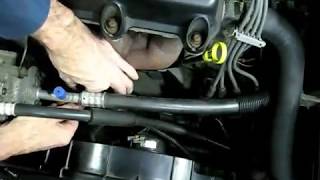
🎬 Watch this walkthrough on how to remove the front sensor.Helpful Videos
Technical Specifications
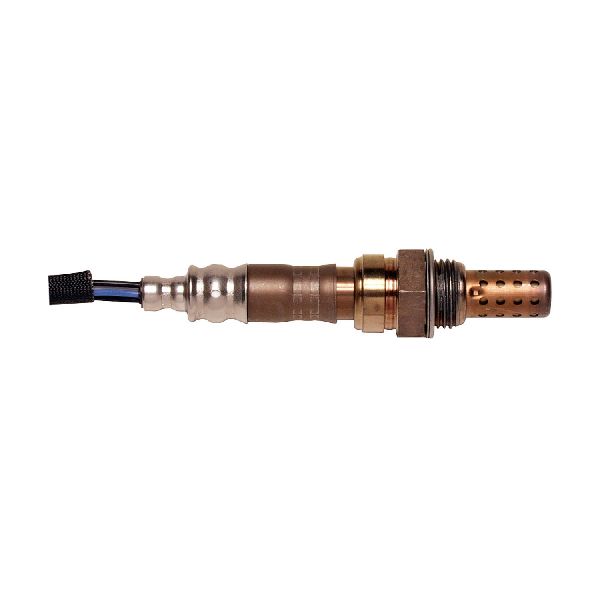
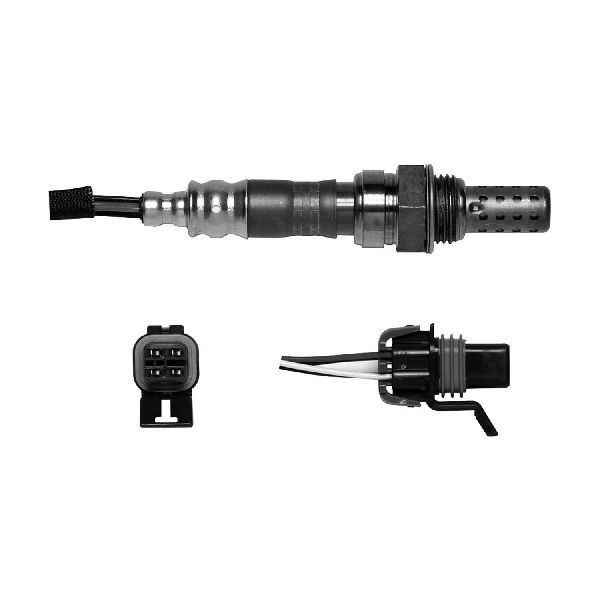
The original equipment manufacturer is Denso. Depending on the year, the upstream sensor is a non-heated, single-wire sensor. The downstream sensor on 1996+ models is a heated, multi-wire sensor. Thread size is typically M18-1.50.
We Have This Part in Stock

The information in this article is provided for general reference and educational purposes only. Vehicle specifications, procedures, and part compatibility can vary by production date, trim level, and region. Always consult your vehicle's factory service manual and verify part numbers before purchasing or performing repairs. Safety-critical components such as airbags, seat belts, and braking systems should be installed by a qualified professional.
- Saturn SL1:
- 🎬 Helpful Videos
- 🛍️ Shop This Part
- Signs of a Failing Oxygen Sensor
- Known Issues for the Saturn SL1
- Pro Tip: Check for Other Issues
- Choosing the Right Aftermarket Oxygen Sensor
- Brand Quality Tiers
- Important: Upstream vs. Downstream
- Typical Replacement Costs
- Frequently Asked Questions (FAQ)
- 🎟️ Get 5% Off