

A Saturn SL1 Owner's Guide to Radiator Replacement (1991-2002)
Learn how to spot a failing radiator in your S-Series and choose the right aftermarket replacement to prevent overheating.
- The most common failure point is the plastic end tanks cracking; aftermarket replacement is the standard fix.
- Most aftermarket radiators fit both automatic and manual models; the unused transmission ports on manual cars can be left open.
- Always replace the radiator cap and inspect hoses when installing a new radiator.
- Use DEX-COOL (orange) coolant mixed 50/50 with distilled water for a refill.
Is Your Saturn SL1 Radiator Failing?
Radiators don't last forever, and on the 1991-2002 Saturn SL1, the original units are well past their expected lifespan. The most common failure is not the aluminum core, but the plastic parts. Over decades of heat cycles, the plastic end tanks become brittle and crack, or the gasket between the plastic and aluminum fails.
Common Failure: Cracked Plastic End Tanks
The number one reason SL1 radiators are replaced is due to leaks from the plastic sides. Look for coolant stains, drips, or hairline cracks, especially where the large hoses connect or around the radiator cap neck. Repairing these cracks with epoxy is not a reliable long-term solution; replacement is the only permanent fix.
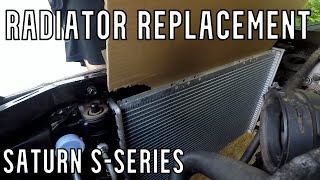
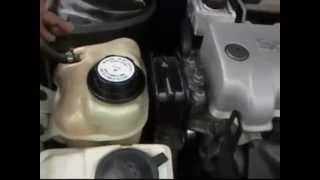
🎬 Watch: A step-by-step guide to replacing your S-Series radiator.Symptoms of a Bad Radiator
- Engine Overheating: The most obvious sign. If your temperature gauge climbs into the red, especially in traffic, your radiator may not be cooling effectively.
- Visible Coolant Leaks: Puddles of green or orange fluid under the front of your car are a clear sign of a leak. Check the radiator, hoses, and water pump.
- Sweet Smell: The smell of hot coolant (ethylene glycol) is a tell-tale sign of a leak, even if you can't see it.
- Low Coolant Level: Constantly needing to top off your coolant reservoir indicates a leak somewhere in the system.
- Corroded Fins: Look through the grille at the radiator. If the thin metal fins are white, corroded, or crumbling away, the radiator's ability to transfer heat is significantly reduced.
Choosing the Right Aftermarket Radiator
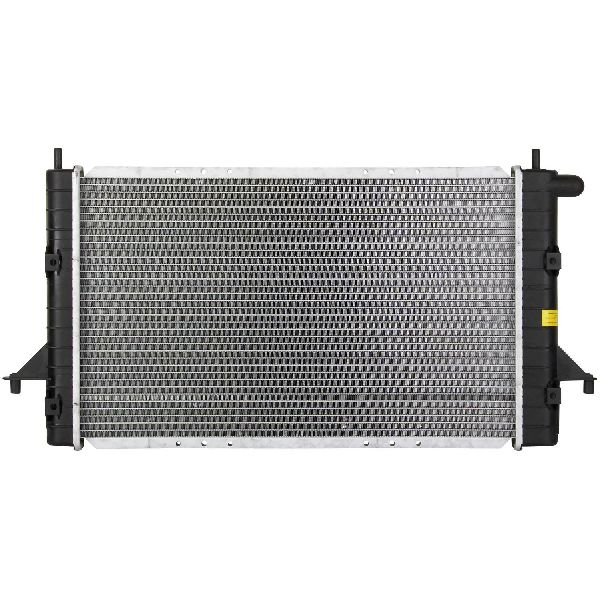
Since original Saturn parts are essentially unavailable, the aftermarket is your only source for a new radiator. Fortunately, many quality options exist. Most aftermarket radiators for the S-Series are designed to fit both automatic and manual transmission models. If you have a manual, you simply leave the transmission cooler ports uncapped, as they are not used.
Brand Quality Tiers
- Standard OEM-Equivalent: Brands like Spectra, Denso, and APDI offer reliable, direct-fit replacements that perform like the original. They use the same aluminum core and plastic tank construction. Mishimoto also offers a stock-style replacement with a lifetime warranty. For most SL1 owners, this tier offers the best balance of quality and price.
- Economy: Brands such as One Stop Solutions, Onix, and other private labels offer the lowest price point. While functional, they may not have the same long-term durability or warranty support as standard brands.
- Performance / Heavy-Duty: For those in hot climates or who want extra peace of mind, brands like CSF Radiator and Koyorad sometimes offer all-aluminum radiators. These eliminate the plastic end tanks, removing the most common failure point, and can offer improved cooling performance.
| Part Type | Estimated Cost |
|---|---|
| New Aftermarket Radiator | $37 - $152 |
| Shop Labor for Installation | $150 - $300 |
| New OEM Radiator | Discontinued/Unavailable |
While You're In There...
Replacing the radiator is the perfect time to inspect and replace other cooling system components. It is highly recommended to install a new radiator cap, upper and lower radiator hoses, and a new thermostat. This adds minimal cost and helps ensure the entire system is reliable.
Frequently Asked Questions (FAQ)
Is an all-aluminum radiator better for my SL1?
For a stock daily driver, a standard OEM-style radiator is perfectly adequate. An all-aluminum radiator is more durable because it eliminates the failure-prone plastic end tanks and can offer slightly better cooling, which might be beneficial in very hot climates or for performance-modified cars.
I have a manual transmission. Do I need to plug the extra ports on the new radiator?
No. Aftermarket radiators are often built to fit both automatic and manual models. The extra ports are for the automatic transmission cooler. On a manual car, you can simply leave them open; nothing will leak out.
What kind of coolant should I use in my Saturn SL1?
The original factory fill for your Saturn is DEX-COOL coolant, which is typically orange. It is important not to mix coolant types. When you replace your radiator, it's best to flush the system and refill with fresh, new DEX-COOL mixed 50/50 with distilled water.
Is replacing the radiator a good DIY job?
Yes, for those with basic mechanical skills. The Saturn S-Series is known for being relatively easy to work on. The radiator replacement requires common hand tools and takes about two hours. 🎬 Watch this DIY walkthrough for a complete radiator installation. Key steps include draining the system, removing the fan shroud, and disconnecting the hoses and A/C condenser.
Helpful Videos


Technical Specifications
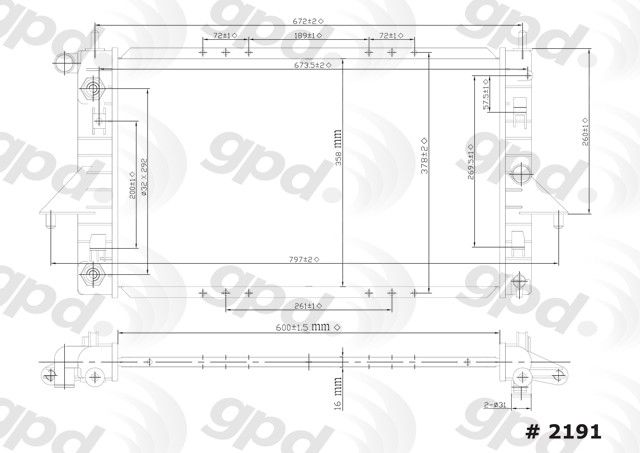
OEM Part Numbers: 21006108 21007530 21007531
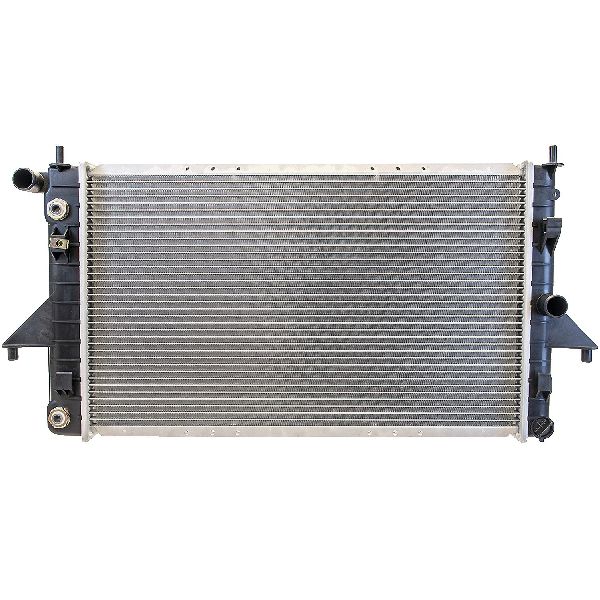
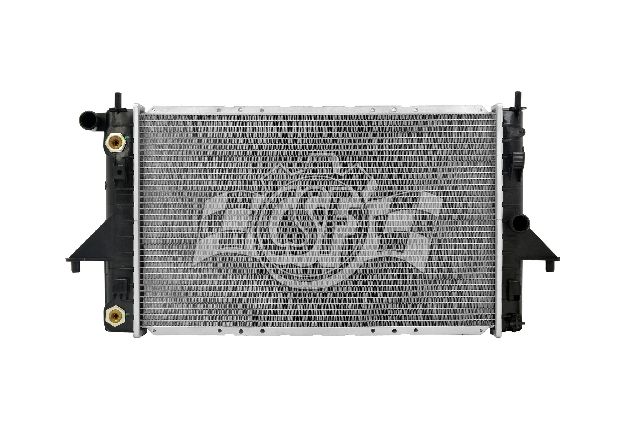
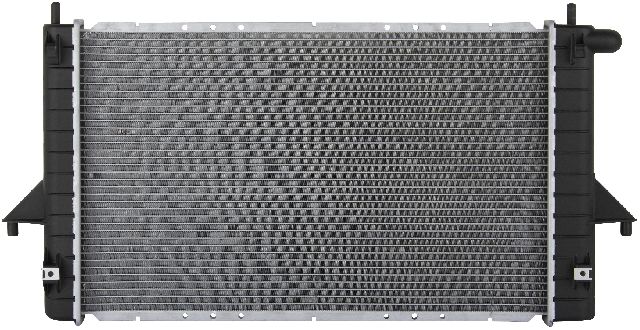
Standard construction is an aluminum core with plastic end tanks. Models for automatic transmissions include an integrated transmission fluid cooler. The cooling system is a self-bleeding design pressurized at the reservoir.
We Have This Part in Stock


The information in this article is provided for general reference and educational purposes only. Vehicle specifications, procedures, and part compatibility can vary by production date, trim level, and region. Always consult your vehicle's factory service manual and verify part numbers before purchasing or performing repairs. Safety-critical components such as airbags, seat belts, and braking systems should be installed by a qualified professional.
- Saturn SL1: