

Saturn SL2 Engine Coolant Temperature Sensor: A Complete Guide (1991-2002)
Fix common running problems like poor fuel economy, rough idle, and overheating in your Saturn SL2 by understanding this critical sensor.
- Always choose a replacement sensor with a brass tip; the original plastic ones are known to fail.
- Inspect the electrical connector for corrosion; plan to replace it if you see any green or white residue.
- For 1991-1995 models, make sure you are replacing the two-wire sensor for the computer, not the one-wire sender for the gauge.
- A bad sensor can cause the engine to run rich, foul spark plugs, and potentially lead to overheating.
Is Your Saturn SL2 Running Rough? It Might Be the Coolant Sensor.
If your 1991-2002 Saturn SL2 is experiencing issues like a high idle, terrible gas mileage, or the cooling fan isn't turning on, a faulty Engine Coolant Temperature (ECT) sensor is a common culprit. This sensor tells the engine's computer how hot the coolant is, which affects everything from fuel injection to when the cooling fan kicks on. 🎬 See how to troubleshoot a cooling fan that won't activate. When it fails, the computer gets bad information and can't run the engine properly. When the sensor fails, it often sends a signal telling the computer the engine is extremely cold (around -40°F), causing the system to run very rich.
A Common Point of Failure: The Sensor and its Connector
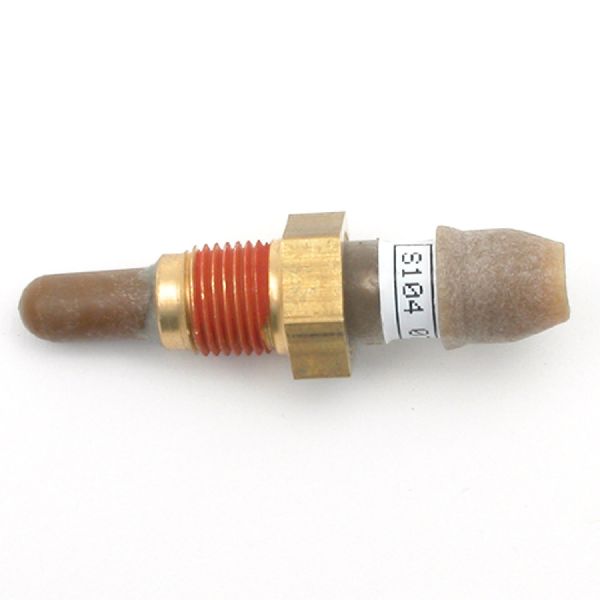
Early S-Series models used a plastic-tipped sensor that is known to crack over time. This crack can cause the sensor to fail and may even leak coolant into the electrical connector, causing corrosion and further problems. It is highly recommended to inspect the connector for any green or white crusty corrosion when replacing the sensor. If you see any, you must replace the connector pigtail as well.
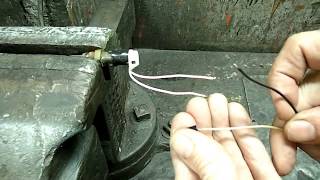
🎬 Watch: How to properly replace a corroded sensor connector pigtail.Choosing the Right Aftermarket Sensor
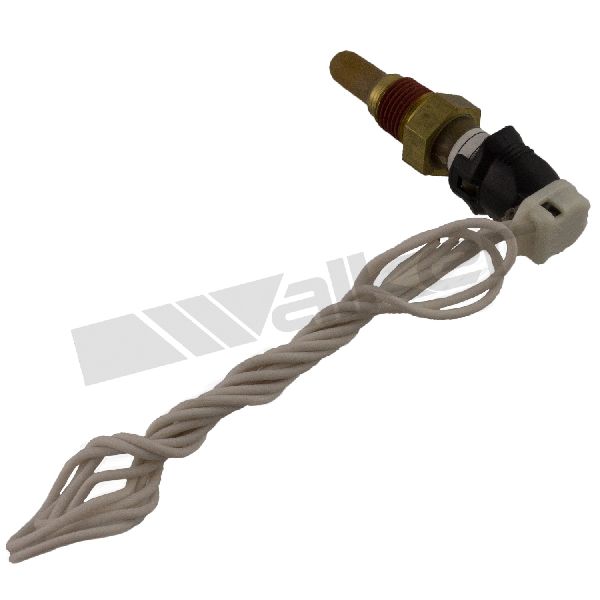
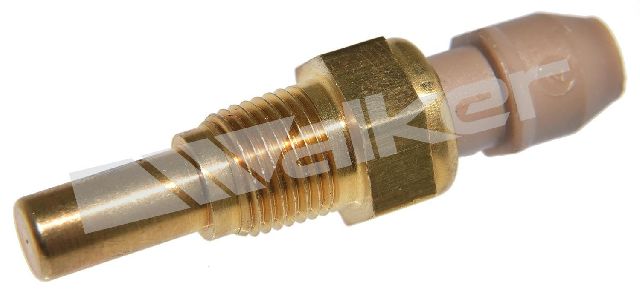
When shopping for a replacement, you'll find several brands. Quality matters, as a cheap, inaccurate sensor can cause persistent running issues. For the Saturn SL2, it's crucial to choose a sensor with a brass tip, not the failure-prone plastic/resin tip found on original models.
- Premium Brands (ACDelco, Delphi): These brands are often original equipment (OE) suppliers for General Motors. They are trusted for their quality and reliability. While they may cost a little more, they are the preferred choice for ensuring your SL2 runs as it should. Many owners and mechanics strongly recommend sticking with these brands for critical sensors.
- Quality Aftermarket (Standard Ignition, NGK, Walker Products): These are well-regarded brands in the aftermarket community. They offer a good balance of price and quality and are generally considered reliable replacements.
- Budget-Friendly (Four Seasons, Global Parts, True Tech): These brands provide a more affordable option. While functional, they may not have the same long-term durability or precise calibration as premium brands. They can be a viable choice if budget is the primary concern.
A Critical Mistake: Sensor vs. Sender
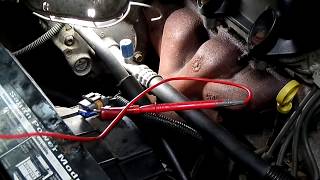
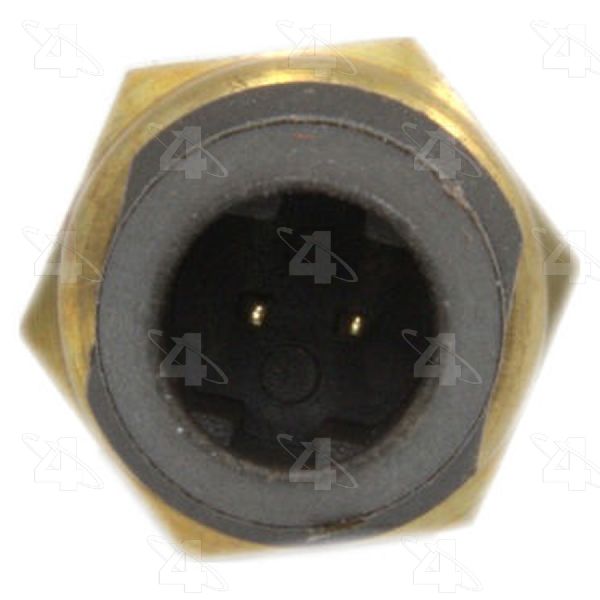
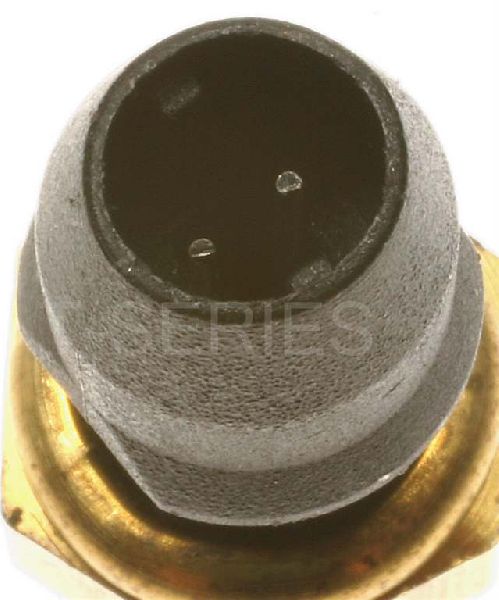
Saturn SL2 models from 1991-1995 have two separate coolant temperature units. The two-wire sensor is the ECT sensor for the computer (PCM). The one-wire unit is the sender for the temperature gauge on your dashboard. Be sure to order the correct two-wire sensor to fix engine performance issues. Models from 1996-2002 use a single, combined sensor for both the computer and the gauge.
Aftermarket vs. OEM Cost
The cost for a new aftermarket Engine Coolant Temperature Sensor for a 1991-2002 Saturn SL2 is very reasonable. Given the low cost of even premium aftermarket brands, it's a worthwhile investment to choose a quality part to avoid future headaches.
| Part Type | Typical Cost |
|---|---|
| New Aftermarket (Budget) | $9 - $15 |
| New Aftermarket (Premium) | $15 - $40 |
| Shop Labor for Installation | $60 - $120 |
Frequently Asked Questions (FAQ)
Can I replace the ECT sensor myself?
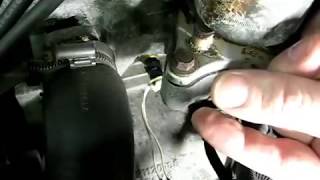
Yes, this is a very DIY-friendly job. The sensor is located on the driver's side of the cylinder head. You'll need a 13mm deep socket. Let the engine cool completely, disconnect the electrical connector, unscrew the old sensor, and quickly screw the new one in to minimize coolant loss. 🎬 Watch this step-by-step guide on removing and replacing the sensor. It's a good idea to have the new sensor ready to go.
Do I need to drain the coolant to replace it?
No, you do not need to fully drain the coolant. If the engine is cold and you are quick, you will only lose a very small amount of coolant. Some people recommend jacking up the driver's side of the car to further minimize coolant loss.
What are the signs I need to replace the connector too?
Look inside the electrical connector for any green or white powder, which is a sign of corrosion from leaking coolant. The plastic may also be brittle and crack when you try to remove it. If you see any corrosion or damage, you should replace the connector pigtail to ensure a good connection.
What happens if I don't replace a bad ECT sensor?
Ignoring a bad sensor can lead to several problems. You'll experience poor fuel economy, rough idling, and hard starting. Most importantly, if the sensor fails to trigger the cooling fan, your engine could overheat, leading to severe and expensive damage like a warped cylinder head.
Helpful Videos
Technical Specifications
OEM Part Numbers: 21025106 21020104 19189503 19144549
Location: Driver's side of cylinder head. Socket Size: 13mm deep socket. Number of Wires: 2.
We Have This Part in Stock


The information in this article is provided for general reference and educational purposes only. Vehicle specifications, procedures, and part compatibility can vary by production date, trim level, and region. Always consult your vehicle's factory service manual and verify part numbers before purchasing or performing repairs. Safety-critical components such as airbags, seat belts, and braking systems should be installed by a qualified professional.
- Saturn SL2:
- 🎬 Helpful Videos
- 🛍️ Shop This Part
- Is Your Saturn SL2 Running Rough? It Might Be the Coolant Sensor.
- A Common Point of Failure: The Sensor and its Connector
- Choosing the Right Aftermarket Sensor
- A Critical Mistake: Sensor vs. Sender
- Aftermarket vs. OEM Cost
- Frequently Asked Questions (FAQ)
- 🎟️ Get 5% Off