

Jeep Wrangler Ignition Knock Sensor Guide (1991-2006)
Hearing a ping or losing power in your YJ or TJ? Your knock sensor could be the problem.
- A bad knock sensor will almost always trigger a P0325 check engine light code.
- The sensor is located on the driver's side of the engine block and is simple to replace for a DIYer.
- Ignoring a faulty knock sensor can lead to poor performance, bad fuel economy, and potential long-term engine damage.
- For critical electronics, many Jeep owners prefer premium aftermarket or OEM Mopar parts for best reliability.
Is Your Jeep's Knock Sensor Failing?
A bad knock sensor can cause problems that you might feel while driving, but sometimes the only sign is a light on your dashboard. The most common sign is the Check Engine Light. If you use a code scanner, you will likely see the code P0325, which points directly to a malfunction in the knock sensor circuit.
You might also notice other symptoms:
- Loss of Power: Your Wrangler may feel sluggish or slow to accelerate because the computer may default to a "safe" timing setting to protect the engine.
- Worse Gas Mileage: When ignition timing isn't optimal, engine efficiency drops, and you'll find yourself at the gas pump more often.
- Engine Pinging: You may hear a metallic pinging or rattling sound, especially when the engine is under load, like going up a hill. This is the sound of detonation that the faulty sensor is failing to detect and correct.
Don't Ignore a P0325 Code
Even if your Jeep seems to drive fine, a P0325 code means the engine's main defense against harmful detonation is offline. Driving for a long time with this issue can lead to serious and expensive engine damage. It is best to get this fixed within a reasonable time to prevent further problems.
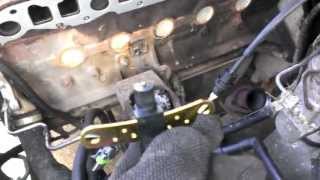
🎬 Watch: Replacing the knock sensor and other common engine sensorsChoosing the Right Aftermarket Knock Sensor
For a critical engine sensor, the brand you choose matters. While OEM Mopar parts are always a safe bet, quality aftermarket options can offer good performance for less money. Here’s a breakdown of the typical brand tiers available.
- Budget Brands (e.g., Global Parts): These are the most affordable option and will function as a basic replacement. However, their long-term durability and the precision of their internal electronics may not match higher-end parts. They can be a choice if the budget is the top priority.
- Standard Aftermarket (e.g., Omix-Ada): Omix-Ada is a very common brand in the Jeep world, offering parts that meet or exceed original factory standards. For many owners, this tier provides a good balance of price, fit, and reliable performance for daily driving and light off-roading.
- Premium Aftermarket (e.g., Standard Ignition): Brands like Standard Motor Products (SMP) are known for their quality control and are often considered OEM-equivalent. They may perform 100% testing on their sensors to ensure proper operation right out of the box. This is a strong choice for owners who want high reliability without the higher cost of an OEM part.
A Note on OEM Mopar Parts
Many experienced Jeep mechanics and owners prefer to use genuine Mopar sensors for anything electronic. This is because Jeeps can sometimes be picky about aftermarket electronics. Paying extra for a Mopar sensor can provide peace of mind that the part will communicate perfectly with your Wrangler's computer.
Cost of Replacing a Wrangler Knock Sensor
The replacement cost is reasonable since the part is affordable and easy to access on the 4.0L and 2.5L engines used in this era of Wrangler.
| Part/Service | Estimated Cost |
|---|---|
| New Aftermarket Part | $60 - $85 |
| New OEM (Mopar) Part | $120 - $180 |
| Shop Labor | $100 - $150 |
| Total Estimated Cost (Shop) | $160 - $330 |
Installation & Location
On the 1991-2006 Jeep Wrangler YJ and TJ with the 4.0L engine, the knock sensor is located on the driver's side of the engine block, just behind the motor mount. It is typically accessed from underneath the vehicle. The job is simple: disconnect the single electrical plug and remove the one bolt holding the sensor to the block. This makes it a great project for a DIY mechanic with basic tools.
Frequently Asked Questions
What exactly is engine knock?
Engine knock, or detonation, is an uncontrolled explosion of the air/fuel mixture inside the engine cylinder, separate from the normal ignition by the spark plug. It creates a shockwave that can damage pistons, rings, and bearings. The knock sensor is designed to detect this specific event.
Where is the knock sensor on my 1991-2006 Wrangler?
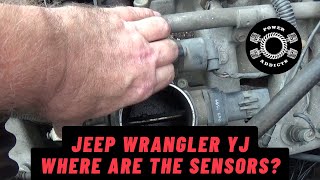
Look on the driver's side of the engine block, toward the back of the motor mount. You'll see a small sensor with a wire coming out of it, held in by a single bolt. It's easiest to see and reach from under the Jeep.
🎬 See this video for a visual guide to sensor locationsWhat does the code P0325 mean?
P0325 is the standard diagnostic trouble code for "Knock Sensor 1 Circuit Malfunction (Bank 1)". This means the engine's computer has detected a problem with the signal from the knock sensor, which could be a bad sensor, damaged wiring, or a poor connection.
Are there any recalls for the Jeep Wrangler knock sensor?
No, there are no specific recalls or widespread Technical Service Bulletins (TSBs) from Jeep or the NHTSA for the ignition knock sensor on 1991-2006 Wrangler models.
Helpful Videos
Technical Specifications
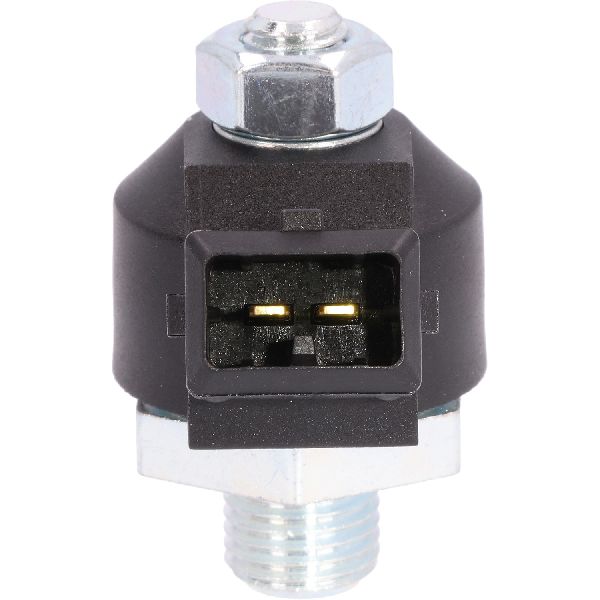
OEM Part Numbers: 04886382AA 33002933
Location: Driver's side of engine block. Attachment: Single bolt. Connector: 2-pin female plug.
We Have This Part in Stock


The information in this article is provided for general reference and educational purposes only. Vehicle specifications, procedures, and part compatibility can vary by production date, trim level, and region. Always consult your vehicle's factory service manual and verify part numbers before purchasing or performing repairs. Safety-critical components such as airbags, seat belts, and braking systems should be installed by a qualified professional.
- Jeep Wrangler: