

Ford Explorer Power Steering Pressure Switch Guide (1991-2011)
Understanding the common stalling and leaking issues caused by a bad power steering pressure switch on your Explorer.
- A failing switch is a common cause of stalling during low-speed turns in 1991-2010 Explorers.
- Fluid leaks from the switch itself are a very common and clear sign of failure.
- For this repair, a quality aftermarket brand like Standard Ignition is a reliable and cost-effective choice.
- Replacement is a simple DIY task for most owners, mainly requiring a wrench and some power steering fluid.
Symptoms of a Failing Power Steering Switch on an Explorer
A bad power steering pressure switch can cause some confusing symptoms that might not immediately point to a steering problem. Because its job is to help manage engine idle during steering, a failure often looks like an engine issue.
- Engine Stalling or Stumbling During Turns: This is the most common symptom. When you make a sharp, slow turn, like in a parking lot, the engine may sputter, run rough, or stall completely. This happens because the switch isn't telling the engine to compensate for the load from the power steering pump.
- Erratic or Rough Idle: A faulty switch can send incorrect signals, or no signal at all, causing the engine's idle to become unstable even when you aren't turning. The engine might speed up and slow down on its own.
- Power Steering Fluid Leaks: The switch itself has seals that can fail over time due to heat and pressure. It's very common for the switch to leak power steering fluid, which is typically reddish or light brown. You might see drips on the ground or notice the switch itself is wet.
- Check Engine Light: In some cases, a failing switch can trigger a Check Engine Light if the engine's computer detects a problem with the sensor's signal.
2011 Model Year Note
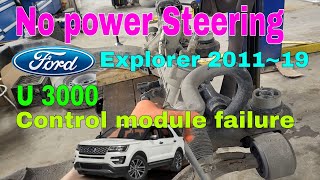
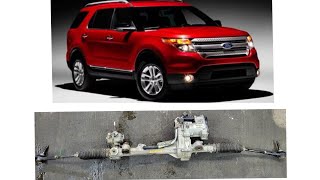
The 2011 Ford Explorer marked a transition to an Electric Power Assisted Steering (EPAS) system. This system does not use a traditional hydraulic pump or a pressure switch. Instead, it uses an electric motor and various sensors, like a steering angle sensor. Recalls (14S06, 15S18) were issued for 2011-2013 models for potential loss of power steering assist due to issues within the electric steering gear, 🎬 See how to diagnose control module failure on 2011+ models. not a hydraulic pressure switch. This guide applies to the hydraulic systems on 1991-2010 models and early 2011 models that may have still used the older system during the transition.
Choosing the Right Aftermarket Power Steering Switch
For a vehicle like the 1991-2011 Explorer, using a new aftermarket switch is a smart and budget-friendly choice. The original Ford parts may be hard to find, and a used part is not recommended due to the high failure rate of the seals. Aftermarket brands offer direct-fit replacements that meet or exceed original specifications.
Brand Quality: Standard Ignition vs. True Tech
- Standard Ignition (Standard Motor Products): Standard is a well-regarded aftermarket manufacturer known for producing reliable, OE-quality parts. Their switches undergo 100% testing for both mechanical and electrical performance. Many professional mechanics trust Standard for engine management and electrical components. For this part, Standard is considered a premium aftermarket choice that you can install with confidence.
- True Tech: True Tech is also a brand under the Standard Motor Products (SMP) umbrella, often positioned as a more economical option. While still manufactured to strict standards, it is generally considered a tier below the main Standard brand. For an owner looking for a functional replacement at a lower cost, True Tech is a viable option, though the premium Standard part may offer greater long-term durability.
Estimated Replacement Costs
Replacing the power steering pressure switch is a relatively inexpensive repair. The primary cost is the part itself, with labor being minimal if you're already having other work done.
| Part/Service | Estimated Cost |
|---|---|
| New OEM Part | $70 - $120+ |
| New Aftermarket Part | $32.25 - $60.96 |
| Shop Labor | $50 - $100 |
| Total Estimated Cost (DIY) | $32 - $61 |
| Total Estimated Cost (Shop) | $82 - $161 |
Frequently Asked Questions
Can I still drive my Explorer with a bad power steering pressure switch?
Yes, but with caution. If the only symptom is a minor fluid leak, you can drive it while monitoring the fluid level. If the engine is stalling when you turn, it can be dangerous, especially in traffic or when parking. It's best to get the part replaced soon to avoid unsafe situations.
Where is the power steering pressure switch located on a Ford Explorer?
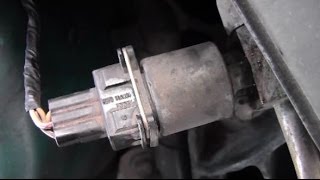
The switch is typically screwed into the high-pressure power steering hose, 🎬 Watch this video to see how to access the pressure line. which runs from the power steering pump to the steering gear. You will need to follow the metal line from the pump to find it. Access can sometimes be tight, requiring removal of other components like the air filter housing.
Is replacing the power steering pressure switch a difficult DIY job?
No, for most people with basic tools, this is a straightforward job. It usually requires an open-end wrench or a deep socket. The main steps are disconnecting the electrical connector, unscrewing the old switch, and quickly screwing the new one in to minimize fluid loss. You will need to top off the power steering fluid afterward. The difficulty rating is low, 🎬 Watch this step-by-step guide on removing and installing the switch. and it should take less than an hour.
Do I need to bleed the power steering system after replacing the switch?
While you will lose a small amount of fluid, a full system bleed is usually not necessary for just a switch replacement. However, you must check the power steering fluid level after installation and top it off to the correct level on the dipstick. If a lot of air entered the system, you can bleed it by turning the steering wheel from lock to lock several times with the engine off and the front wheels in the air.
Helpful Videos

Technical Specifications
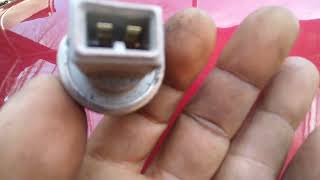
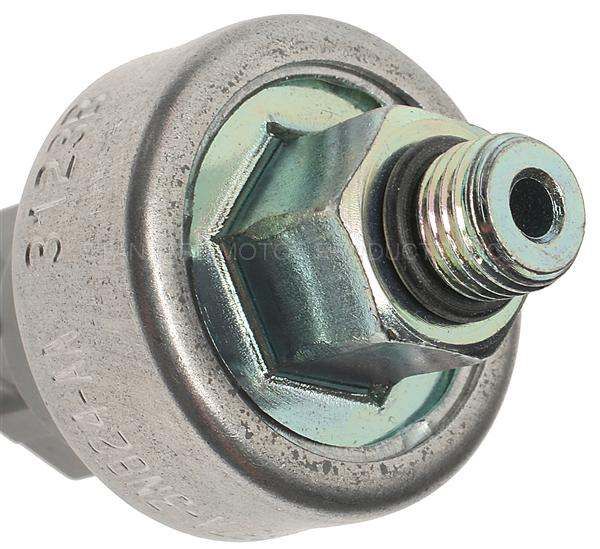
The switch is a screw-in type sensor with a 2-pin electrical connector. It is located on the high-pressure side of the power steering hydraulic system.
We Have This Part in Stock


The information in this article is provided for general reference and educational purposes only. Vehicle specifications, procedures, and part compatibility can vary by production date, trim level, and region. Always consult your vehicle's factory service manual and verify part numbers before purchasing or performing repairs. Safety-critical components such as airbags, seat belts, and braking systems should be installed by a qualified professional.
- Ford Explorer: