

Asuna Sunrunner Oxygen Sensor Guide: 1992-1993
Everything you need to know about choosing the right replacement oxygen sensor for your Sunrunner.
- Your Sunrunner has one upstream oxygen sensor located in the exhaust manifold, which is easy to access.
- Choose a direct-fit sensor from an OEM-quality brand like Denso or NGK/NTK for the best results.
- This is a simple DIY replacement with a special O2 sensor socket; the main challenge is rust.
- Before replacing, check your exhaust manifold for cracks, as this can mimic a bad sensor.
Is Your Sunrunner's Oxygen Sensor Failing?
Because the Asuna Sunrunner is a rebadged Suzuki Sidekick, information from those models applies directly to your vehicle. A failing oxygen sensor can't properly measure oxygen levels, which forces the engine computer to guess the air-fuel mixture. This usually results in poor performance and higher emissions. Symptoms are often subtle at first but will worsen over time.
Key Failure Symptoms:
- Check Engine Light: This is the most common sign. On later models, a code like P0135 for the heater circuit is common, though your 1992-1993 model uses an earlier diagnostic system.
- Poor Fuel Economy: An incorrect air-fuel mixture often means you're burning more gas than necessary.
- Rough Idle or Engine Hesitation: The engine may run rough, hesitate when you accelerate, or even misfire.
- Failed Emissions Test: A bad O2 sensor is a primary cause of failing a smog check due to high levels of pollutants.
- Gasoline Smell: A rich-running engine can push unburned fuel into the exhaust, creating a noticeable smell.
A Related Problem to Check
Before replacing your sensor, inspect the exhaust manifold for cracks. A cracked manifold can let in outside air, causing the O2 sensor to send incorrect readings even if the sensor itself is good.
Choosing the Right Aftermarket Oxygen Sensor
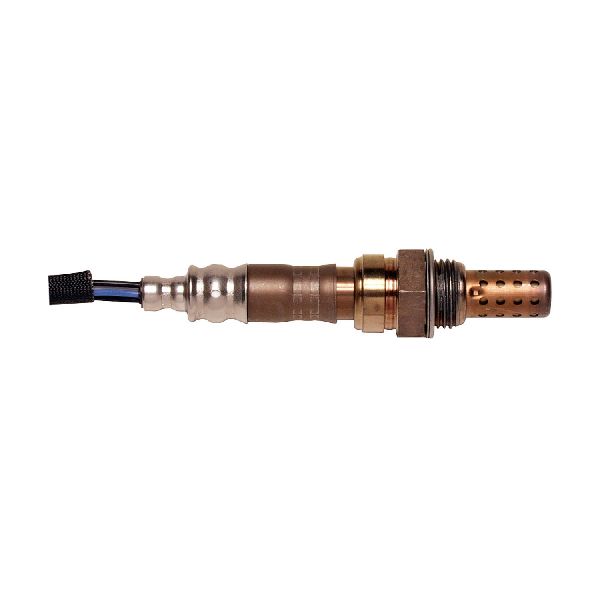
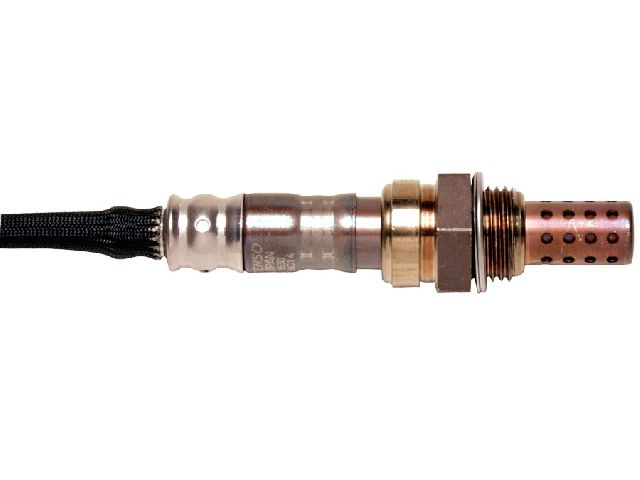
For your Sunrunner, you only need to worry about one 'upstream' oxygen sensor. You have several great aftermarket choices that meet or exceed original quality. Direct-fit sensors are strongly recommended over 'universal' types that require you to splice wires, as this avoids potential installation errors.
Brand Quality Tiers
- Top Tier (OEM Quality): Denso & NGK (NTK)
Both Denso and NGK (which sells sensors under the NTK brand) are original equipment manufacturers for many Japanese vehicles. They are known for their reliability, correct fit, and accurate readings. Choosing a direct-fit sensor from either of these brands is the safest bet for a long-lasting, trouble-free repair. - Mid-Grade: Spectra
Spectra is a well-known aftermarket brand that offers a more budget-friendly option. While generally reliable, they are not typically considered OEM-level suppliers like Denso or NTK. For owners looking to save money, a Spectra direct-fit sensor is a viable choice, but it may not offer the same longevity as a top-tier brand.
Pro Tip: Always use a small amount of the included anti-seize compound on the new sensor's threads before installation. This prevents it from getting stuck in the exhaust manifold due to high heat.
Typical Replacement Costs
The cost for a new oxygen sensor can vary based on the brand you choose. Installation is straightforward, so labor costs are relatively low.
| Part Type | Estimated Cost |
|---|---|
| New Aftermarket Sensor | $26.71 - $97.26 |
| Shop Labor | $50 - $100 |
Frequently Asked Questions
Where is the oxygen sensor located on my Sunrunner?
Your 1992-1993 Sunrunner has one upstream oxygen sensor. You can find it screwed into the exhaust manifold, which is the cast iron part that bolts directly to the side of the engine and collects exhaust gases. It is generally easy to see and access from the engine bay.
Can I replace the oxygen sensor myself?
Yes, this is a very DIY-friendly job. You will need a special 7/8-inch (or 22mm) oxygen sensor socket, which has a slot for the wire to pass through. The most common issue is rust, so spray the old sensor with penetrating oil and let it soak before trying to remove it. The process is simply to unplug the electrical connector, unscrew the old sensor, screw in the new one, and plug it back in.
Is there a recall on the Asuna Sunrunner oxygen sensor?
No, there are no open recalls or technical service bulletins (TSBs) from the NHTSA specifically for the oxygen sensor on the 1992-1993 Asuna Sunrunner or its Suzuki/Geo counterparts.
Do I need a 3-wire or 4-wire sensor?
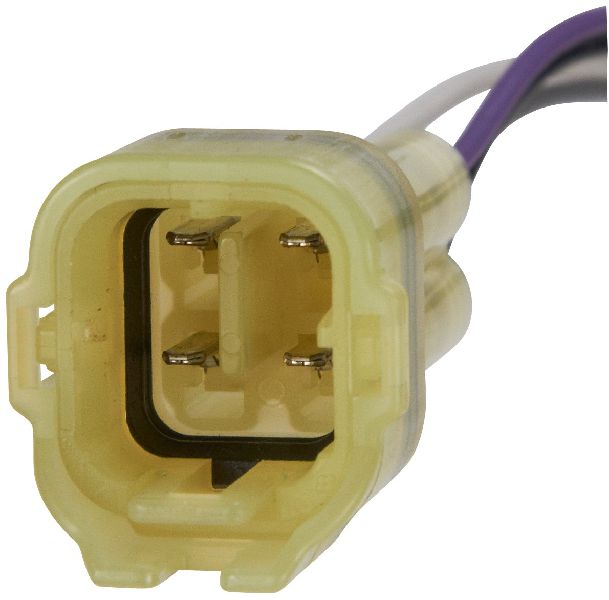
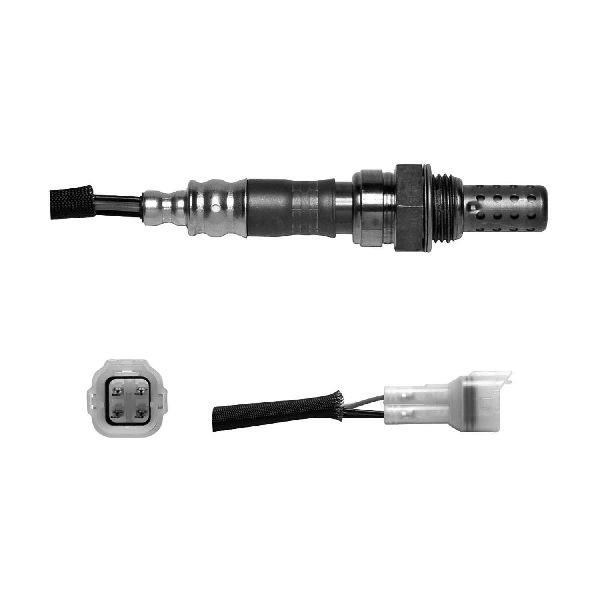
The 1992-1993 models used both 3-wire and 4-wire sensors depending on the specific configuration. It is essential to check your existing sensor's connector to see how many wires it has before ordering a replacement. A direct-fit part matched to your vehicle will ensure you get the correct one.
Technical Specifications
Location: Upstream (in exhaust manifold). Wire Count: 3 or 4 wires (confirm on vehicle). Thread Size: M18-1.50.
We Have This Part in Stock

The information in this article is provided for general reference and educational purposes only. Vehicle specifications, procedures, and part compatibility can vary by production date, trim level, and region. Always consult your vehicle's factory service manual and verify part numbers before purchasing or performing repairs. Safety-critical components such as airbags, seat belts, and braking systems should be installed by a qualified professional.
- Asuna Sunrunner: